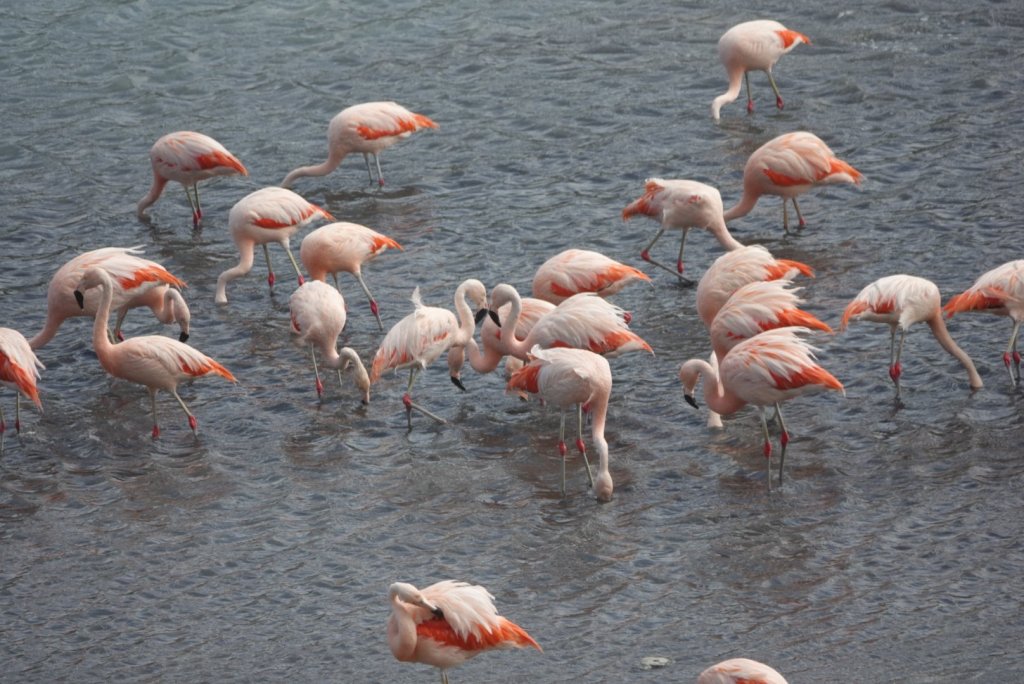
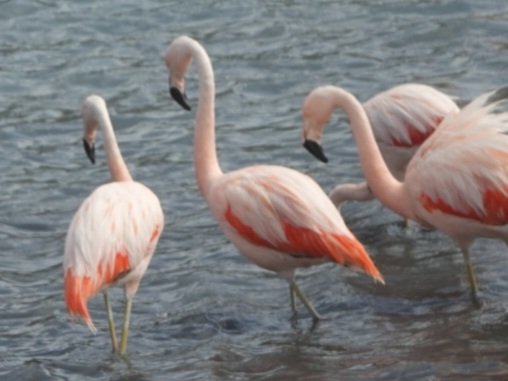
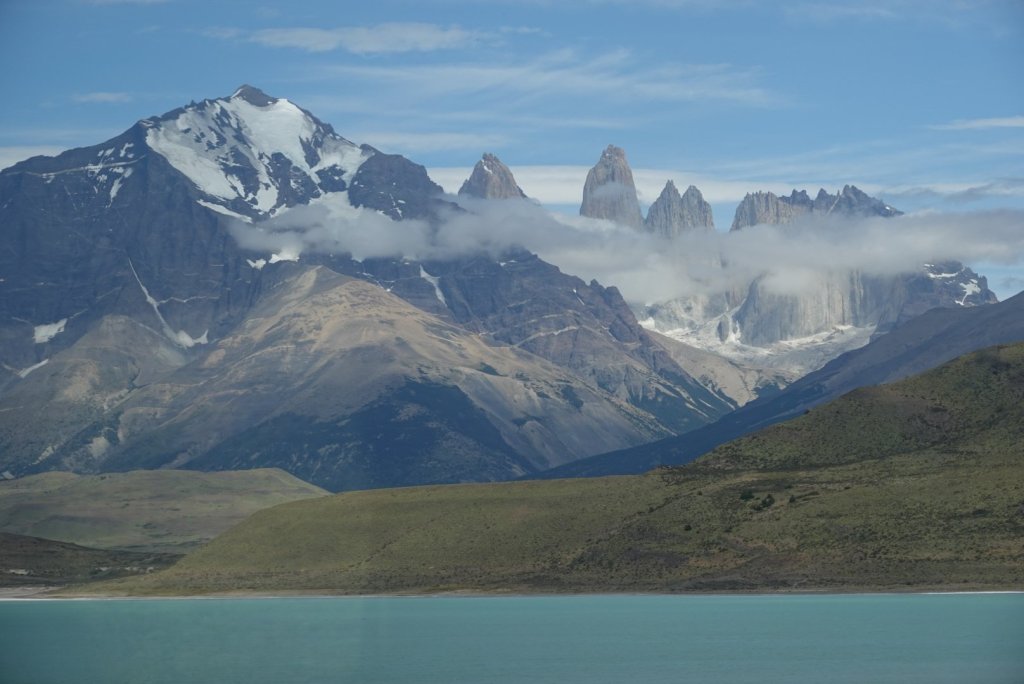
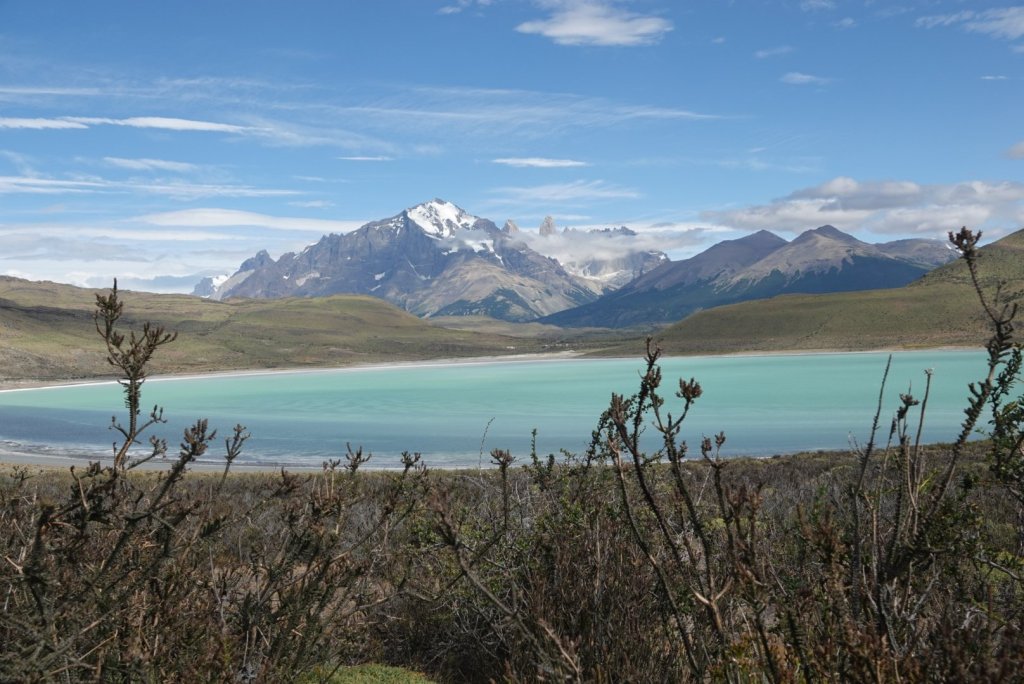
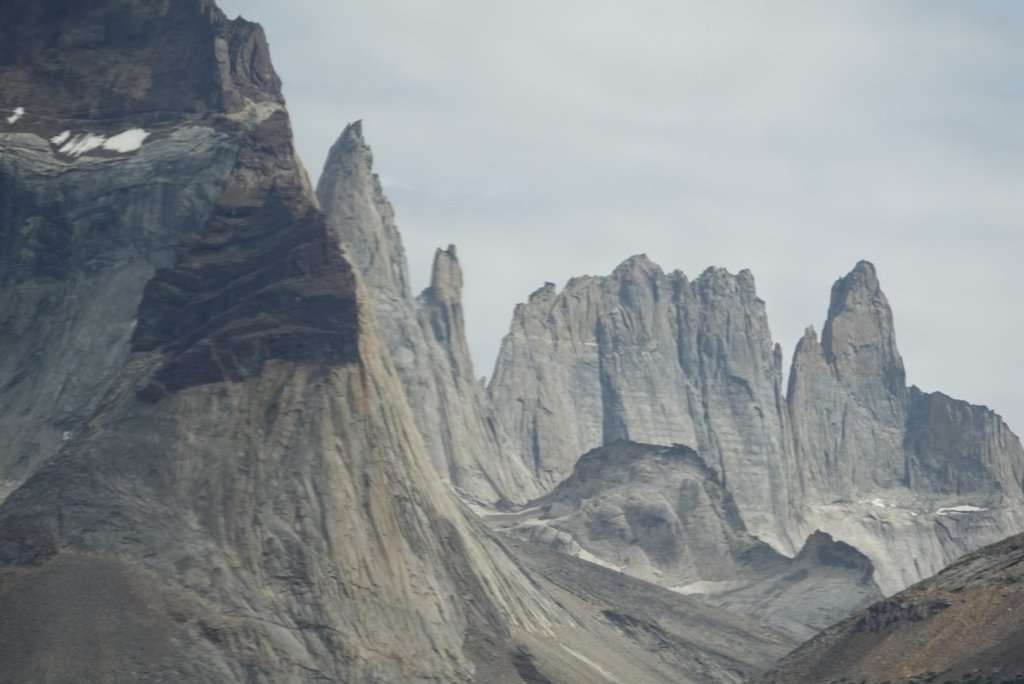
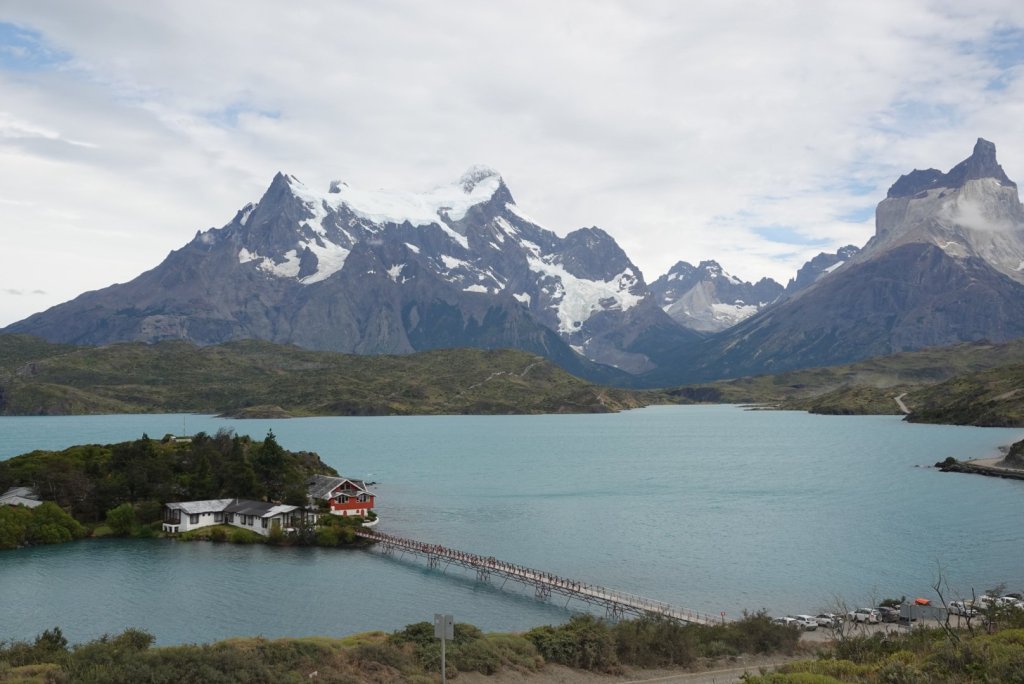
Again, we have a travel day, but a most interesting one! The scenery was evolving from the Patagonian step, (similar to our US Grand Staircase Escalante in Utah) semi-arid area around Argentina Lake and El Calafate to the Andes, glaciers, and forests of Torres del Paine National Park. The name, pronounced “Pie nay” , means Towers of Blue in the tongue of the native people, the mountains that look blue.
I was delighted to see all the animals
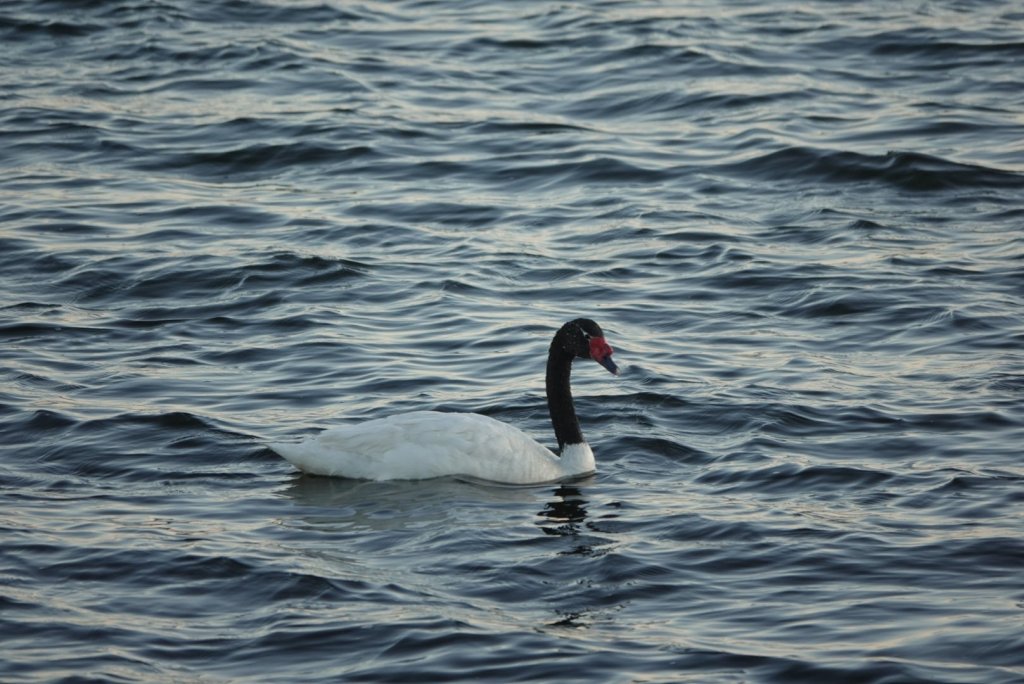
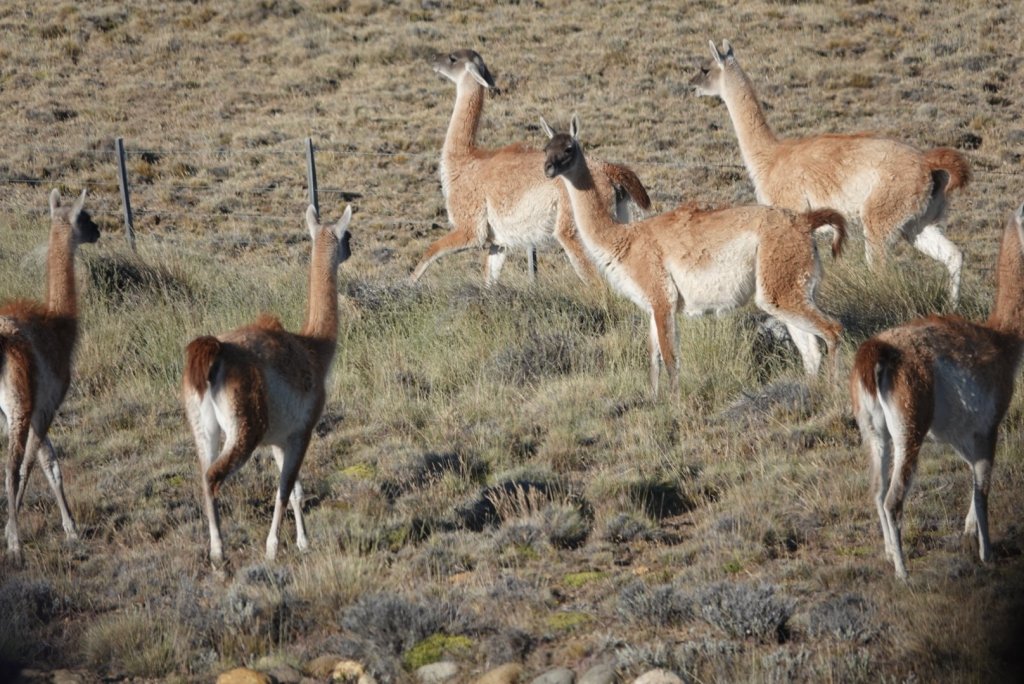
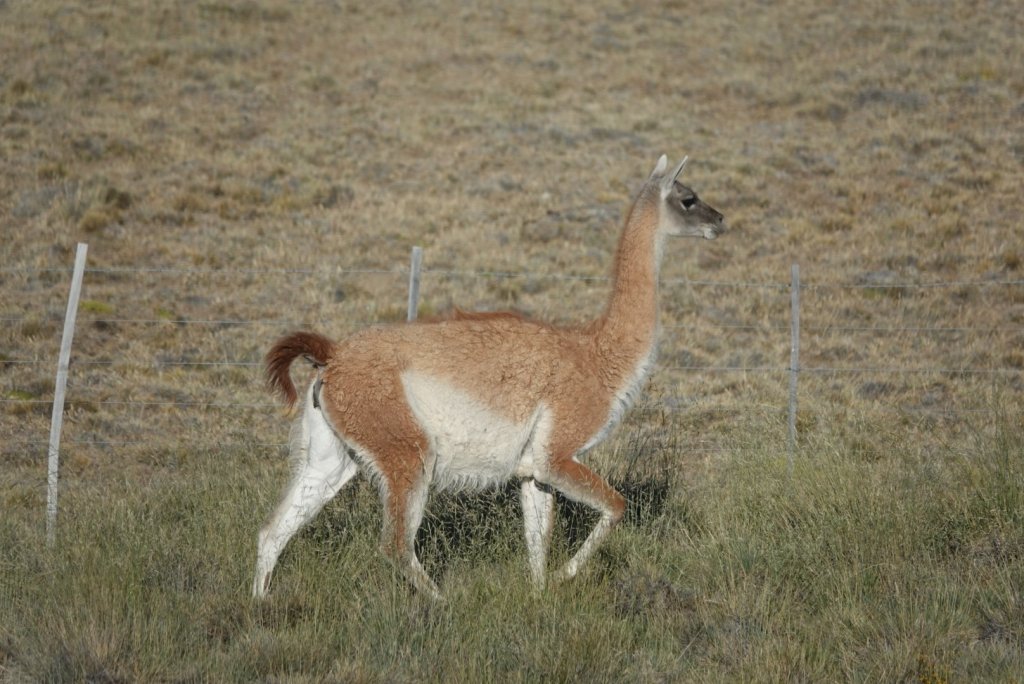
Black neck swans Guanaco Many of them!HareRheaCaracara birdAndean condorImperial goose Dad, keeping watch over his familyMom and goslings
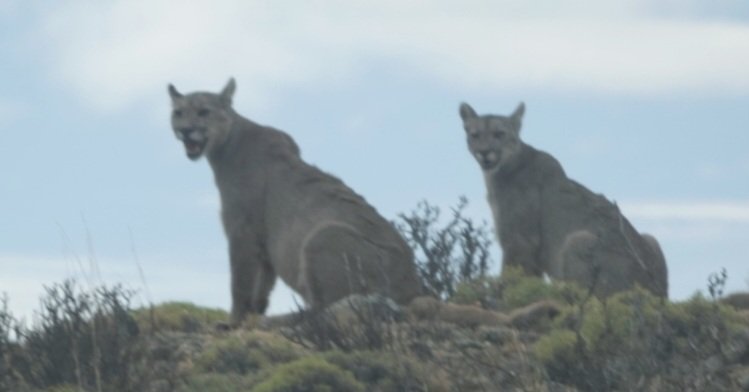
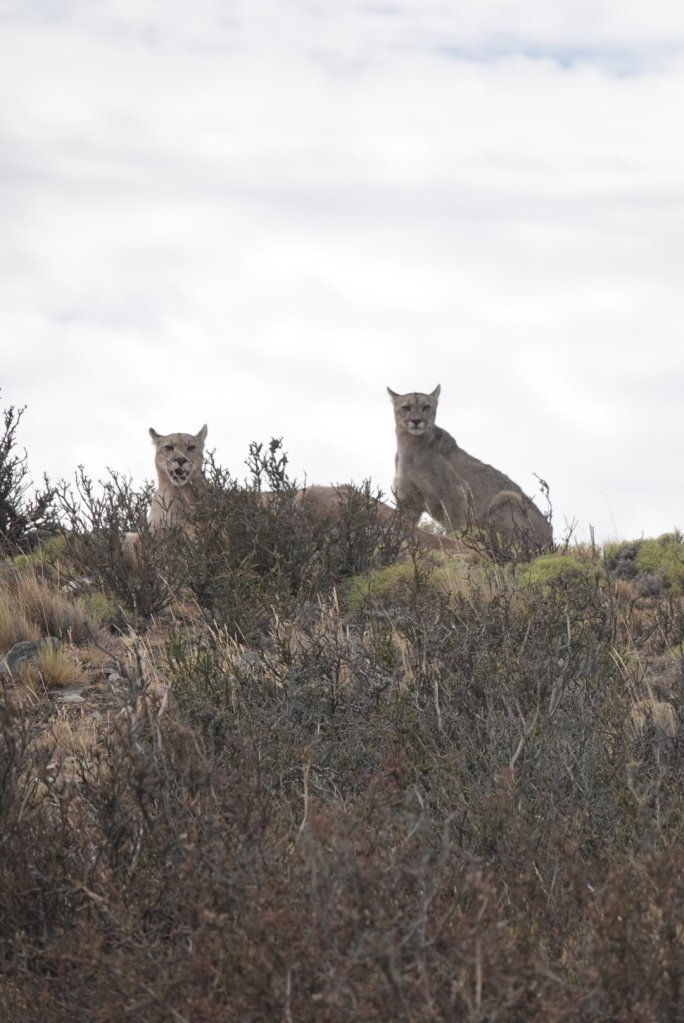
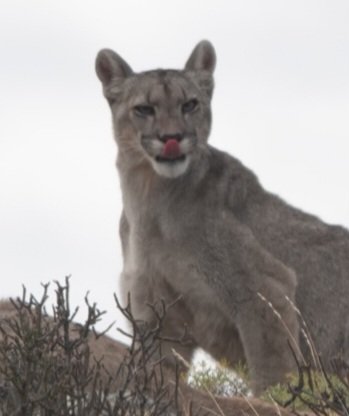
But our favorite by far! We were so fortunate to catch sight of 2 young pumas, sunning themselves, then mother called them to come along on a walk! We were absolutely thrilled!
Licking his chops, looking at the fat touristsMom bringing up the rearThey camouflage well in the landscape
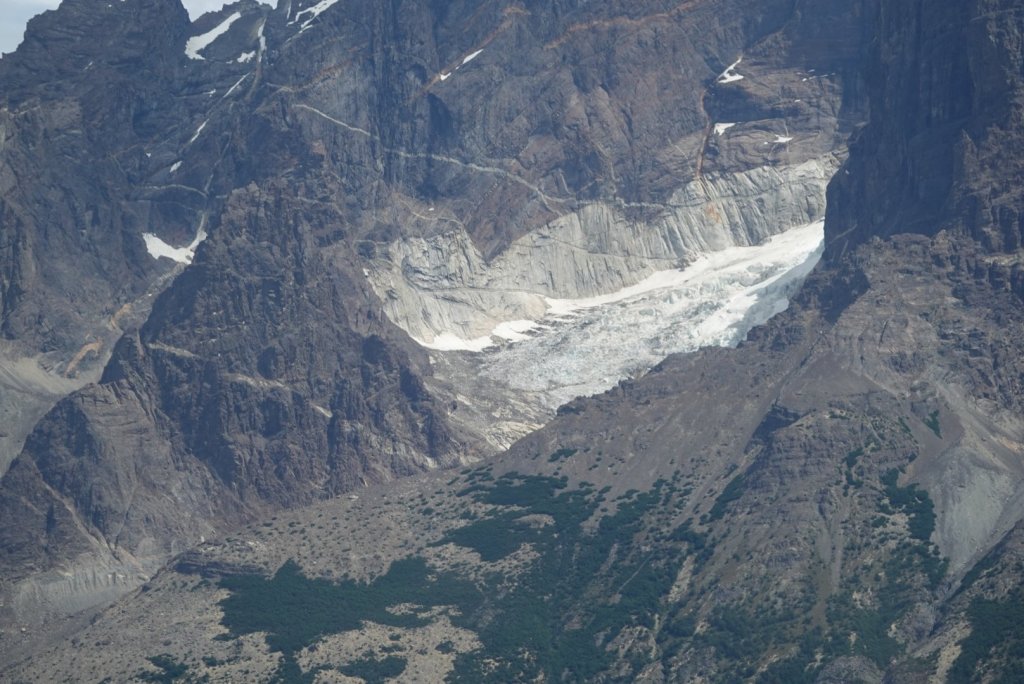
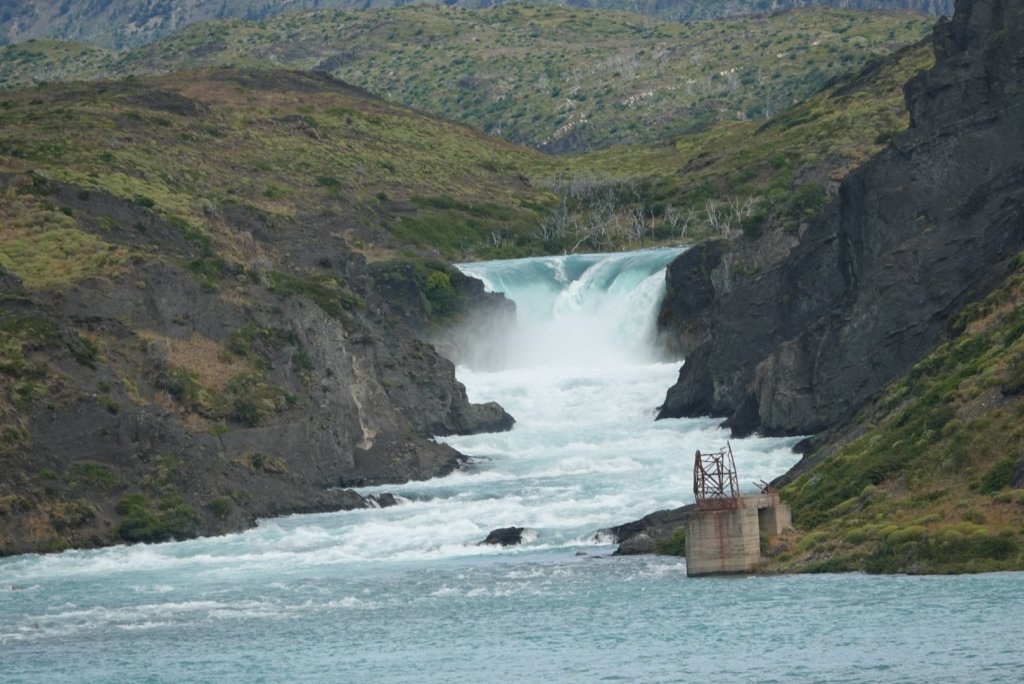
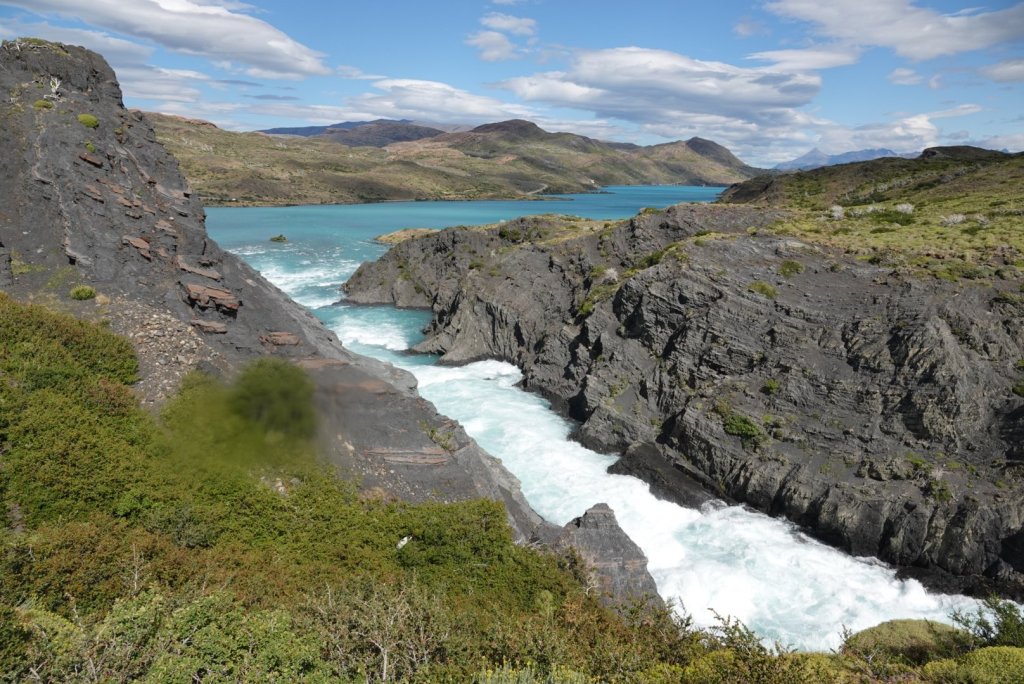
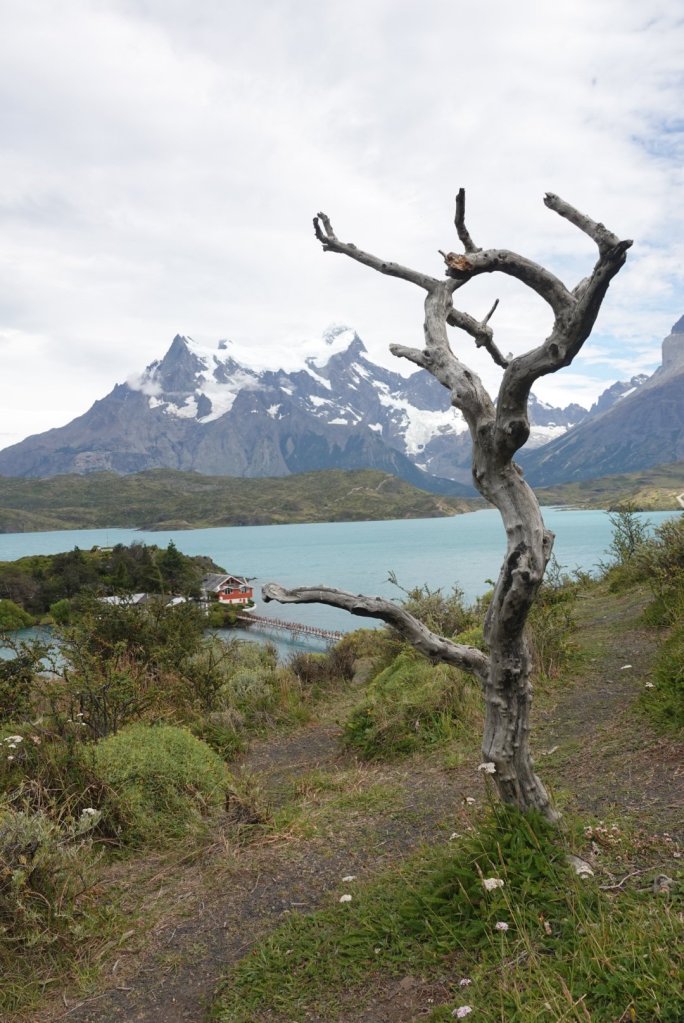
We had a very full day of sightseeing in this beautiful national park, with views of the mountains And Waterfalls
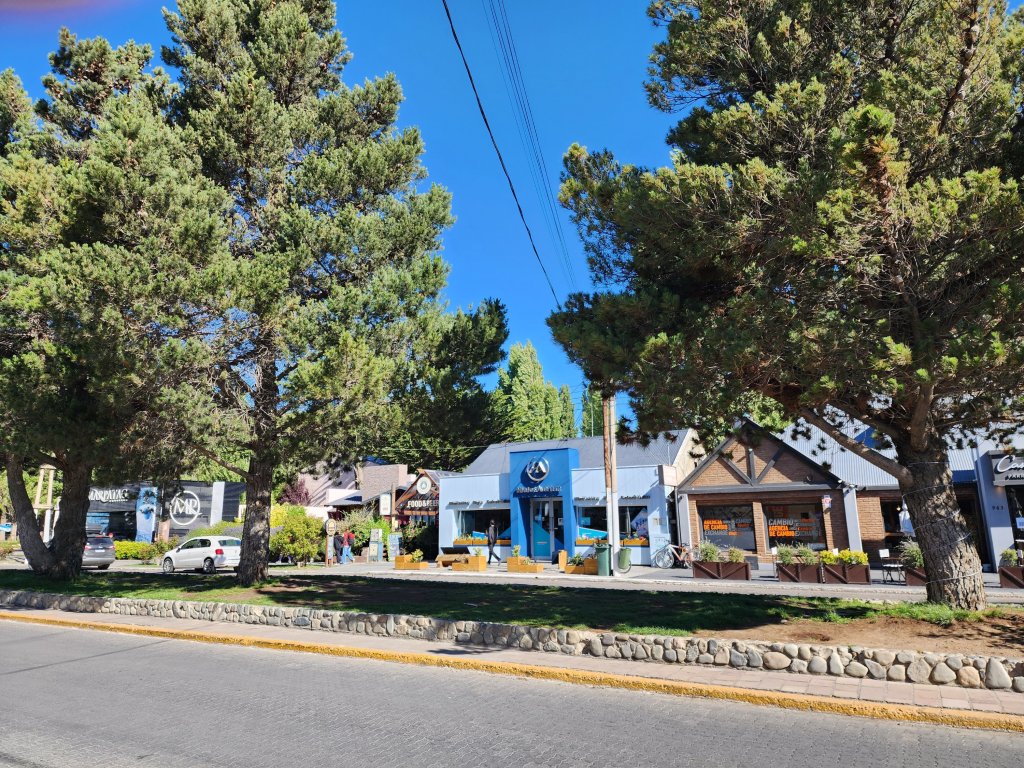
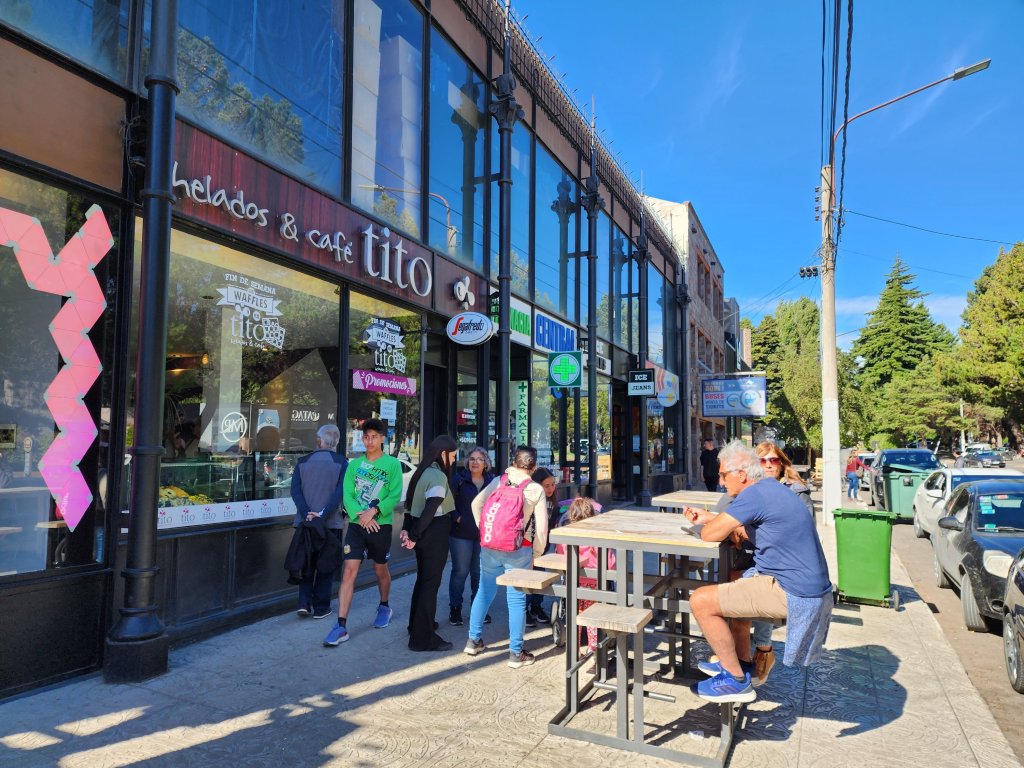
We spent a little time in the evening Sterling the El Calafate city main street
A pay phone!Some lovely paving…. mostly NOT so much
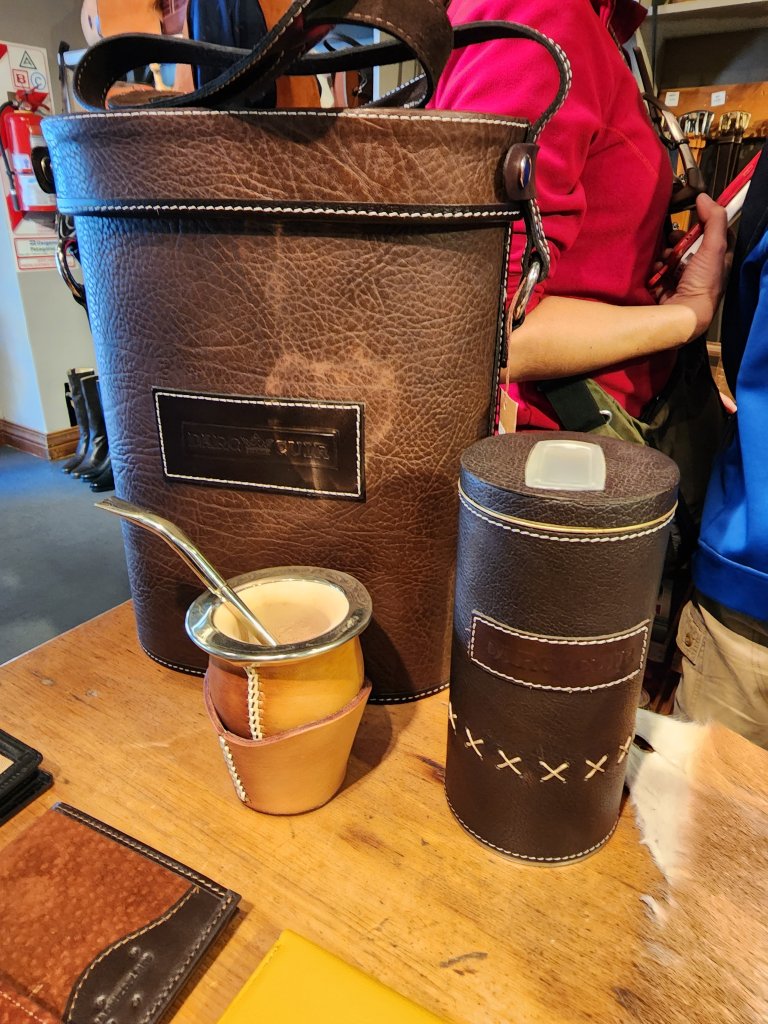
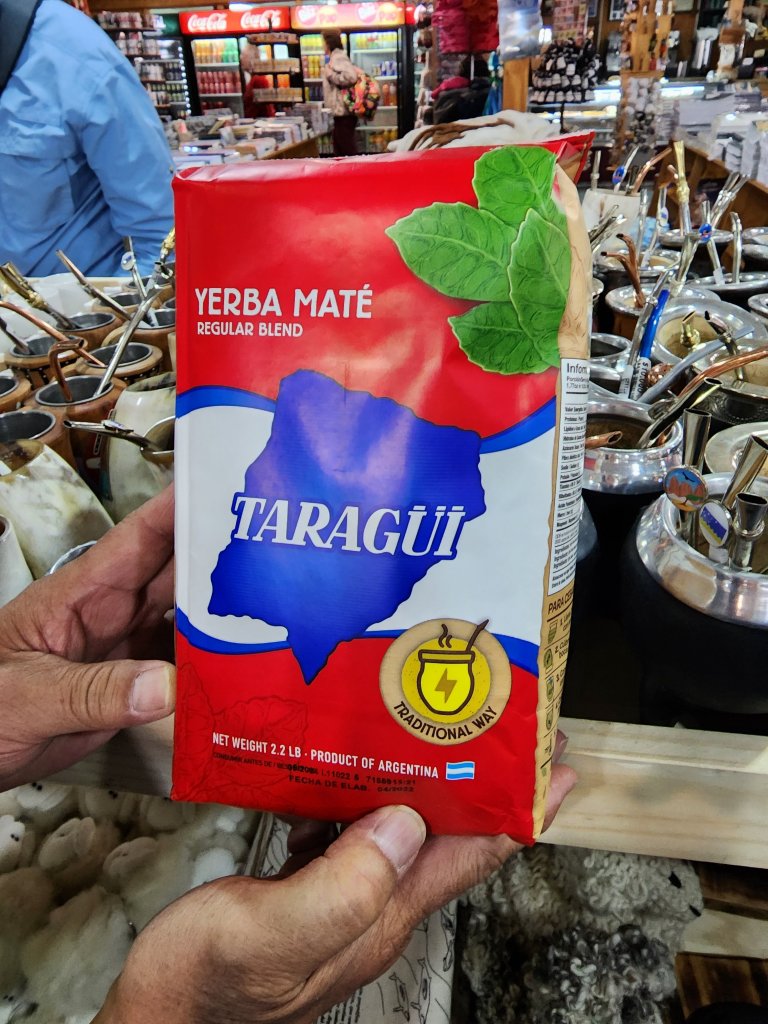
We shopped a little, looking at the Mate! This is a typical South American special herb, made into a tea like drink in a cup carved of pumpkin or gourd, called a mate as well.
The cup is packed with the herb on a bit of an angle. In the low part is poured just a little bit water at 80°C. Not boiling! Their tea Kettles actually have a mate setting! Then a special straw with a strainer on the bottoms
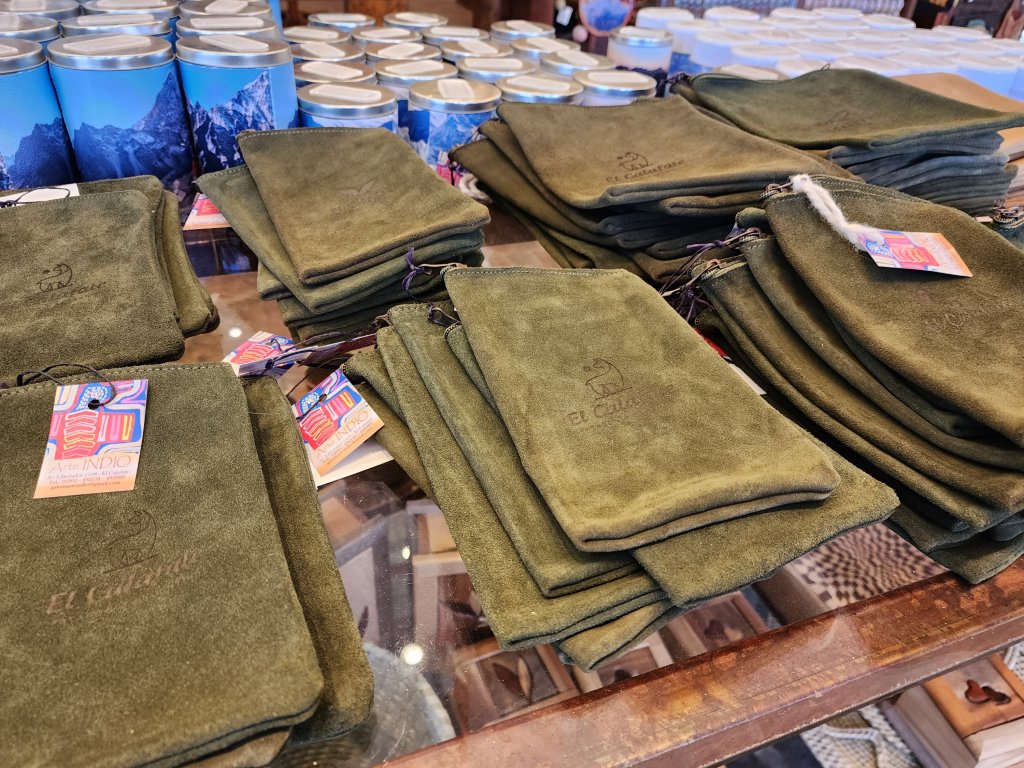
The Mate is an herb you can buy by the kilo, and you carry it on a pouch
The hot water is kept in a thermos and carried in the large carrying case
It’s a very social thing. Everyone shares the Mate! 1 person is the “filler” who makes the Mate and passes it to 1 person at a time, who sips it all, then passes it back to be refilled for the next person. Even during COVID, mate was shared!
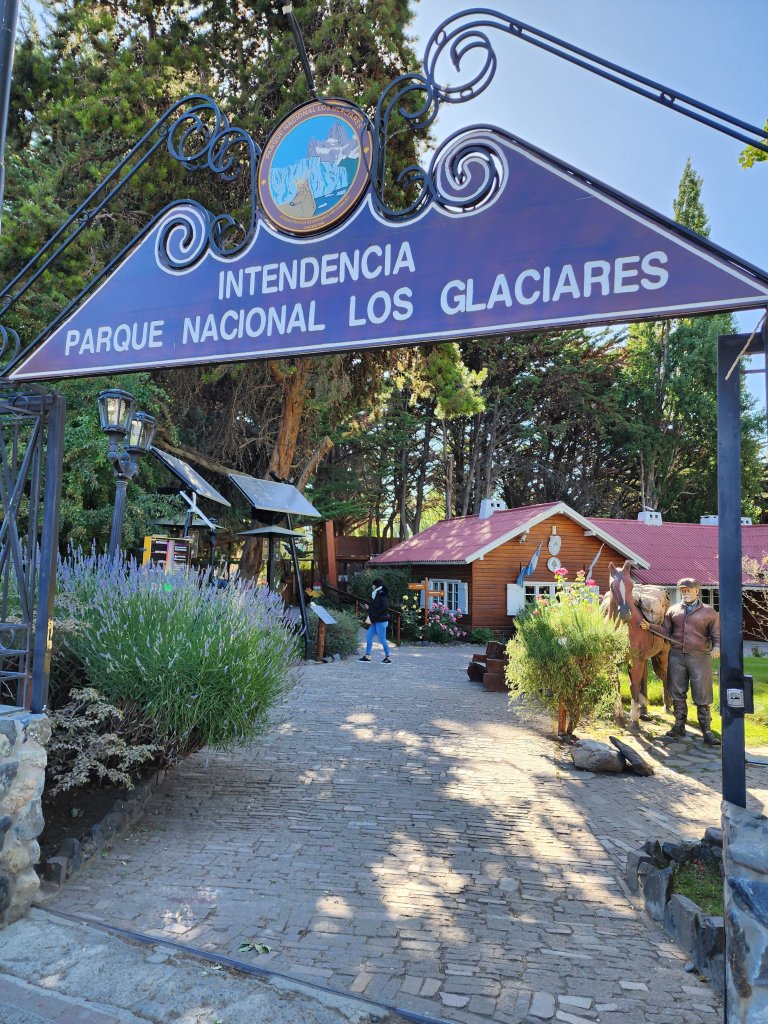
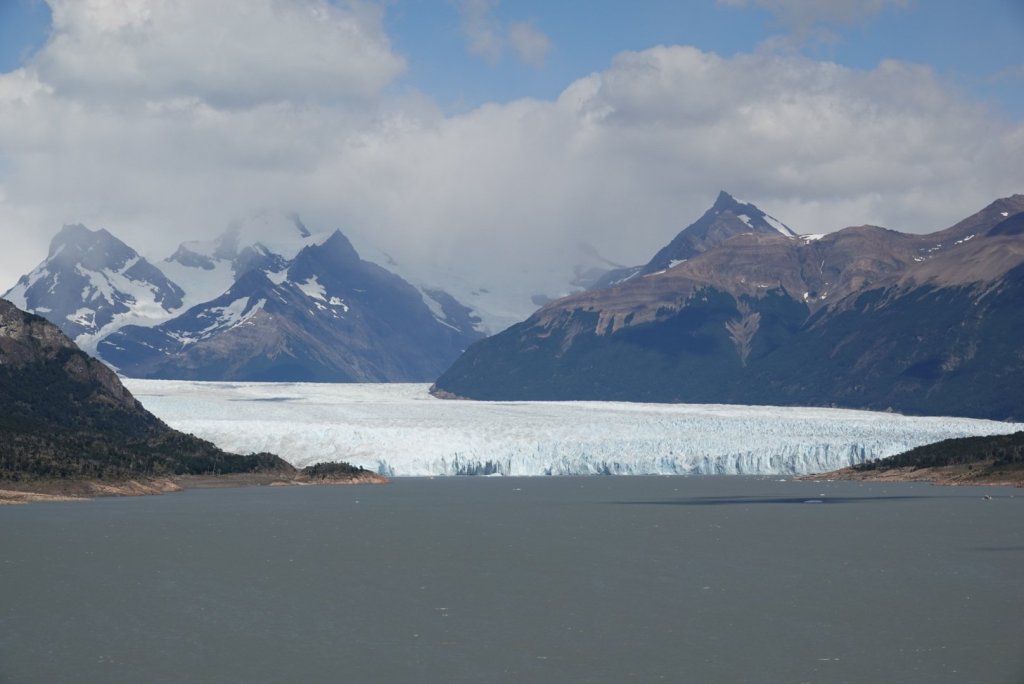
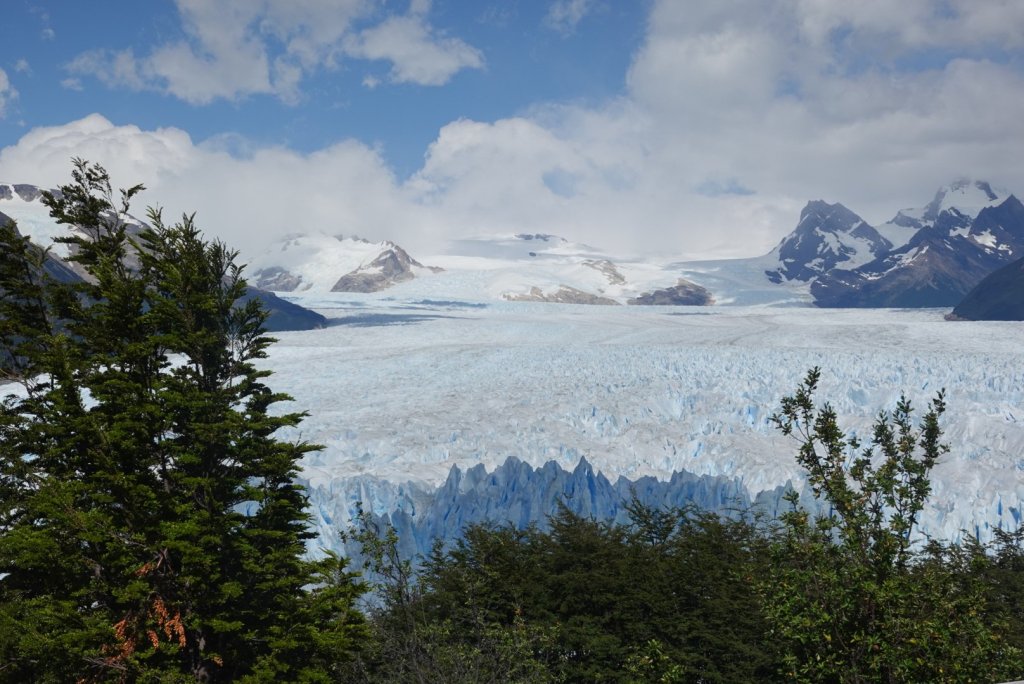
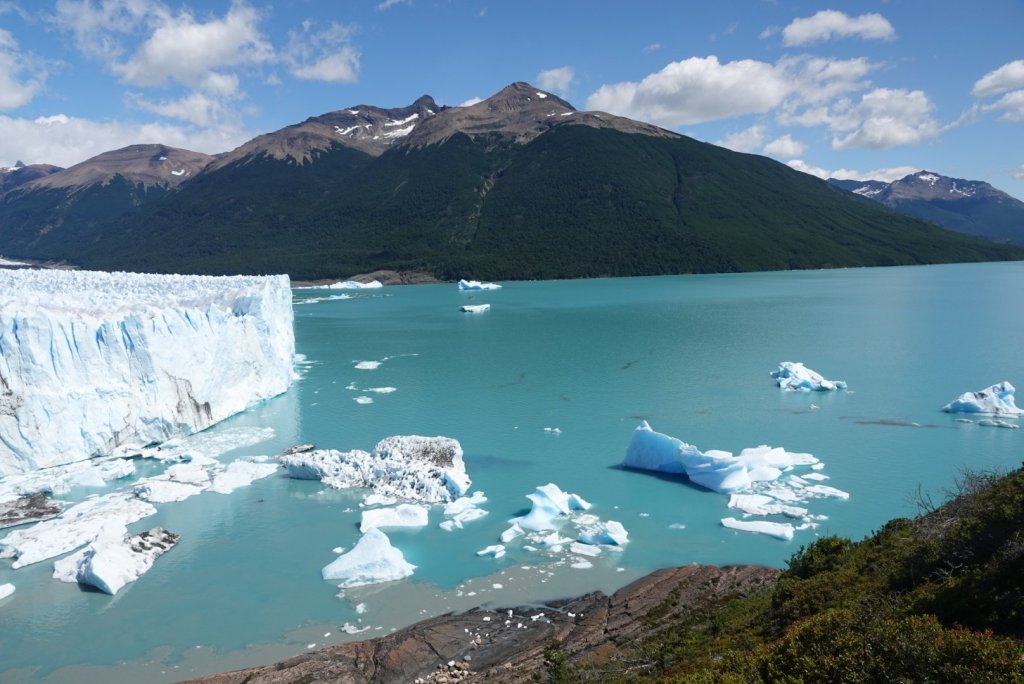
Today we visit in the Glaciers National Park in the state of Santa Cruz Argentina. The most prominent glacier of the 16,000 glaciers in Argentina is Perito Moreno Glacier.
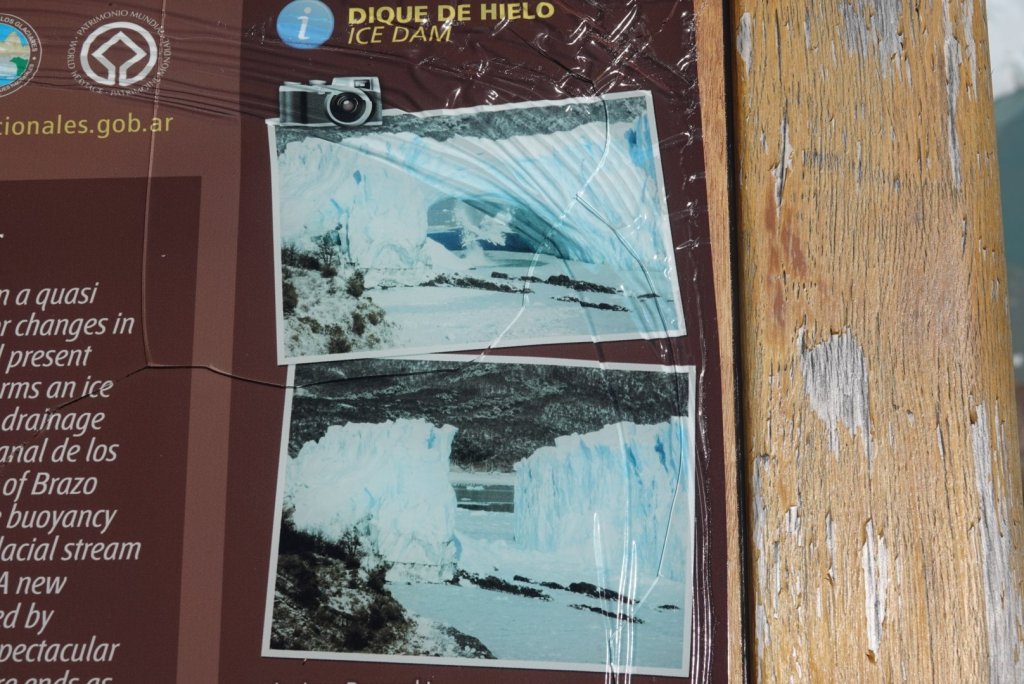
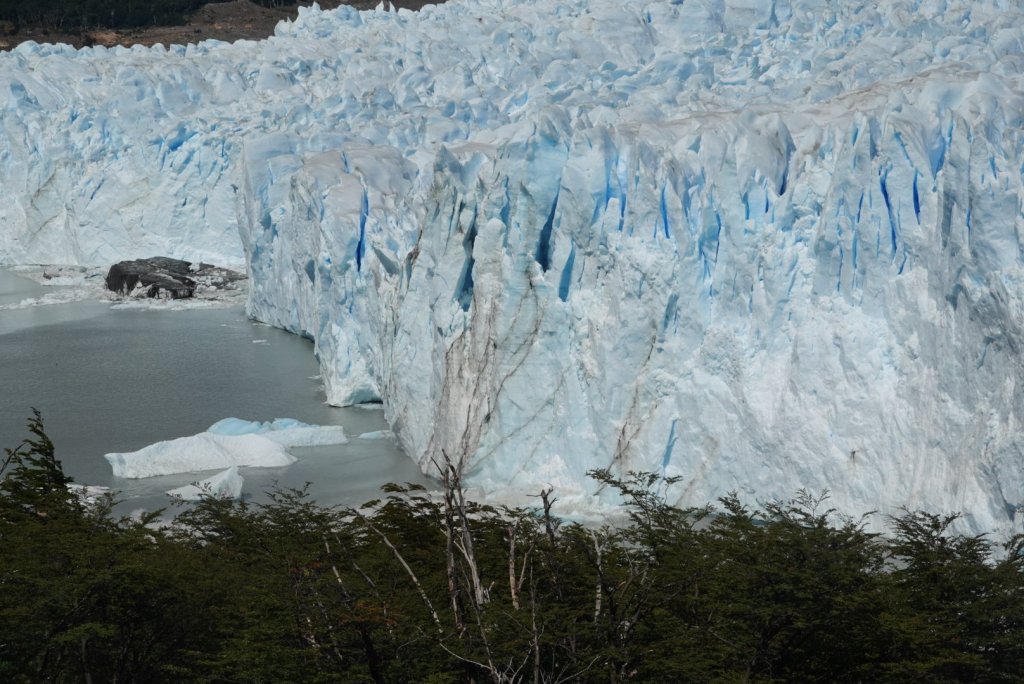
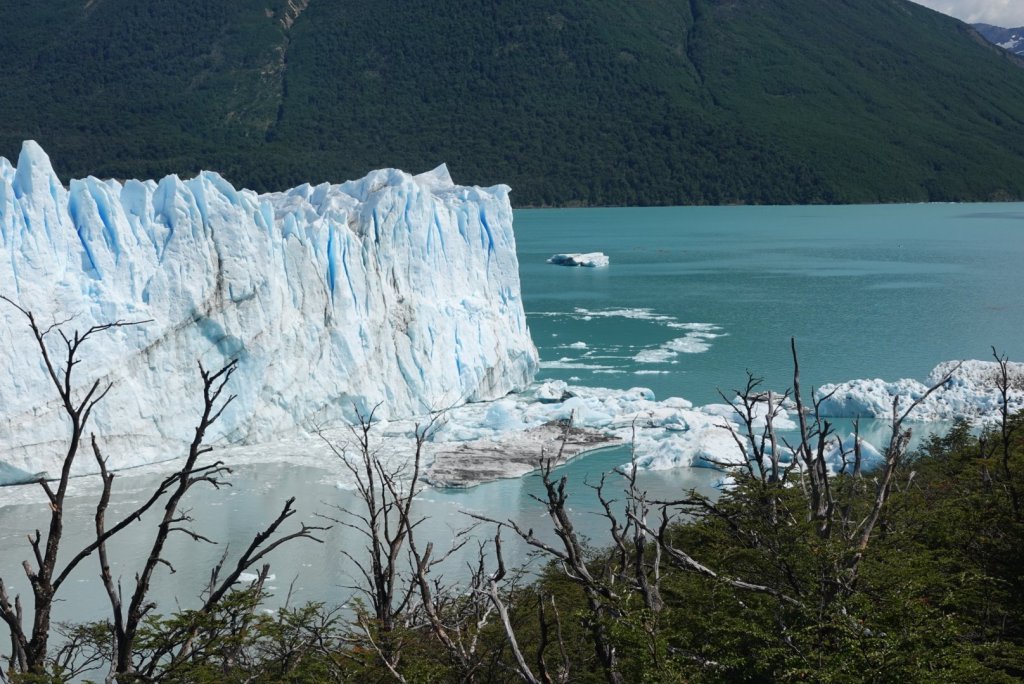
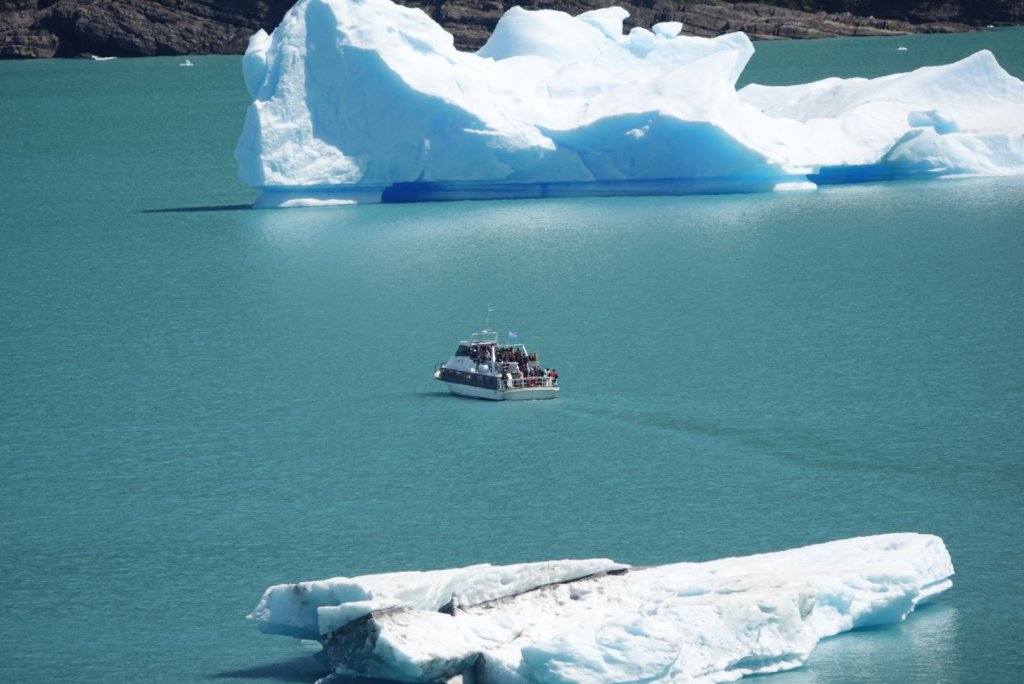
It is the most accessible and most unique, as it flows across a lake and into a landmass at the rate of 2 meters / day and it is the only glacier in the world known to do this. Despite calving and washing away, it periodically piles up, forming a dam on part of the Lake to the right on this aerial photo in the poster. When the water is at least 8 meters higher on that side of the lake, the weight of the water forms a small stream at the base of this glacier dam, which widens into a Tunnel, then a bridge, until it finally collapses. This rupture happens 2,3,8, years apart, no one knows and it is the only glacier in the world known to do this
This is the area where this glacier bridge happensPictures of a past bridge and the rupture
We were able to hear many cracks and see a few calvings in the very active center part of the glacier
Some of the walk to see the glacier was thru this woods
Today was a travel day. Our flight from Ushuaia to El Calafate was only about an hour. We arrived at our hotel for a quick lunch
EmpanadasAn openface sandwich with Guanaco meat
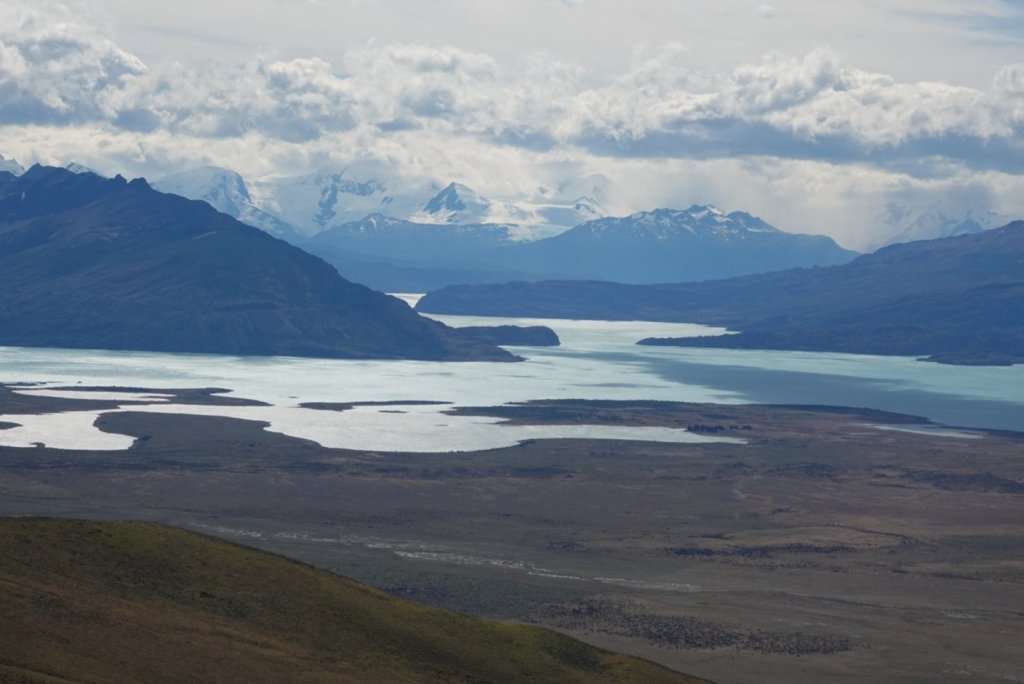
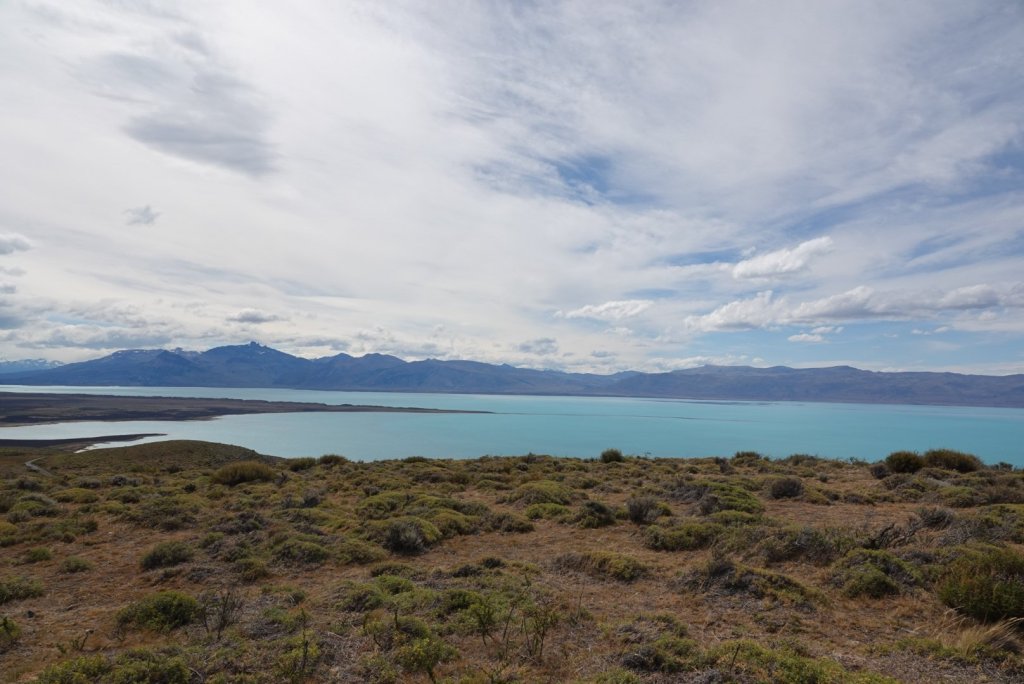
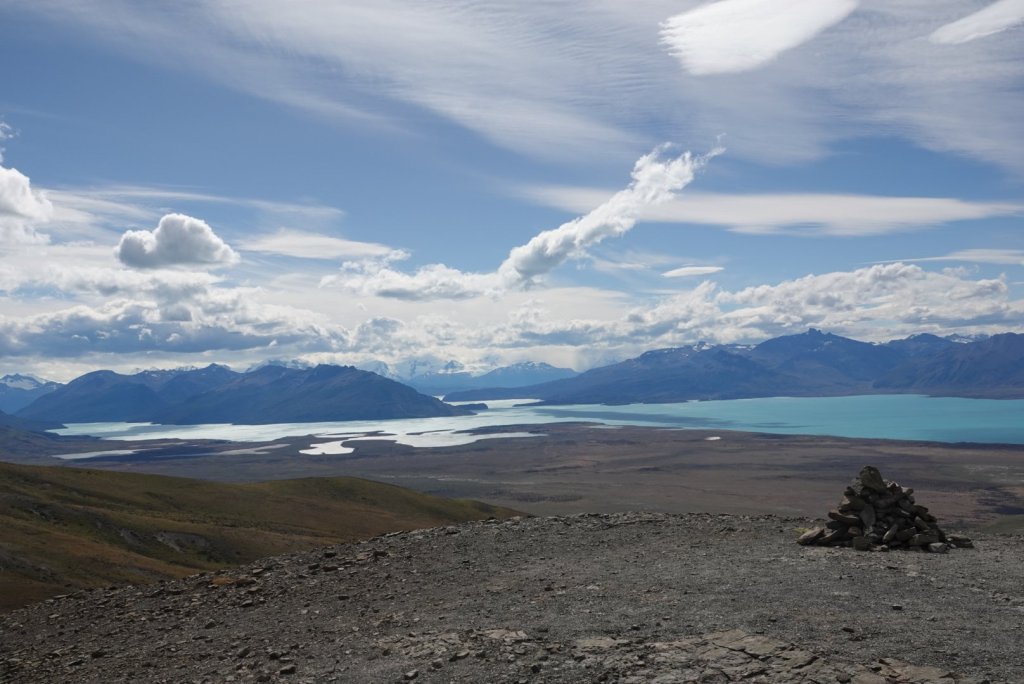
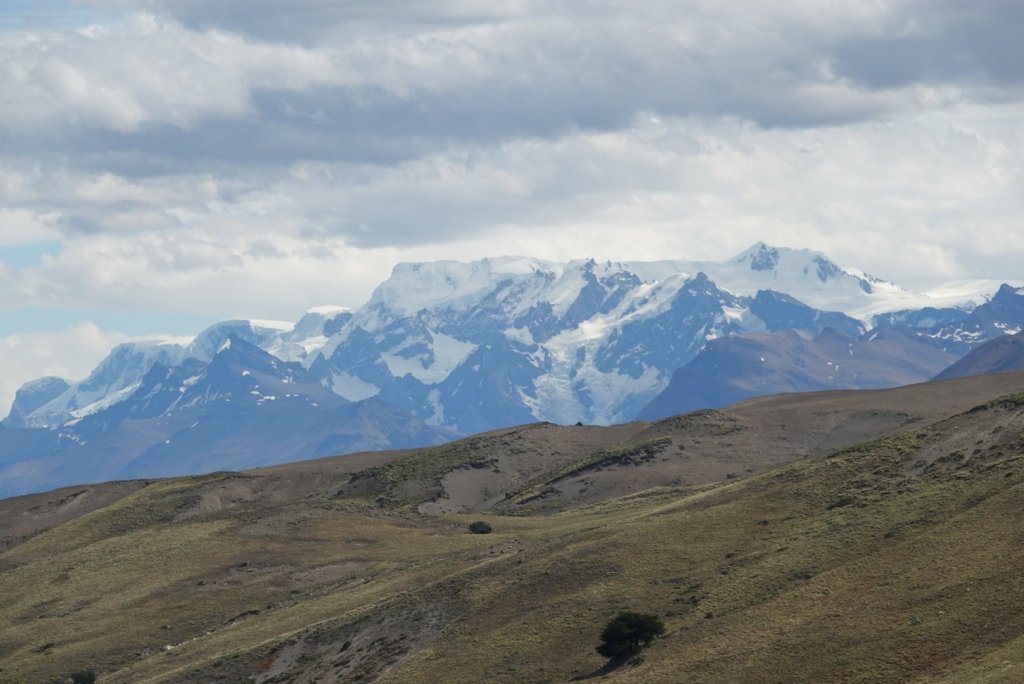
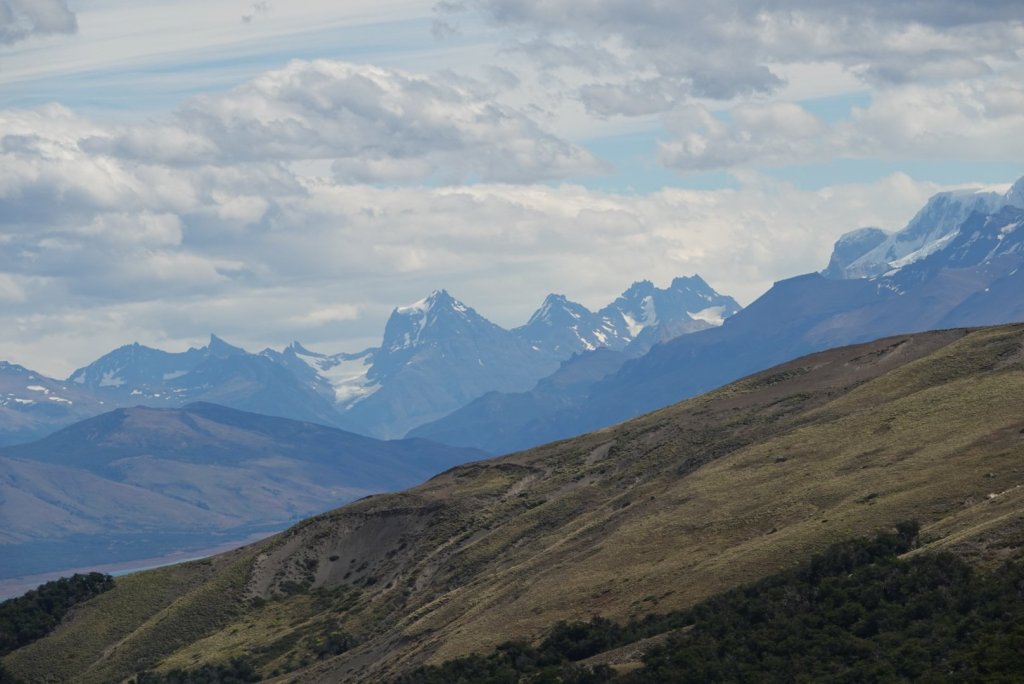
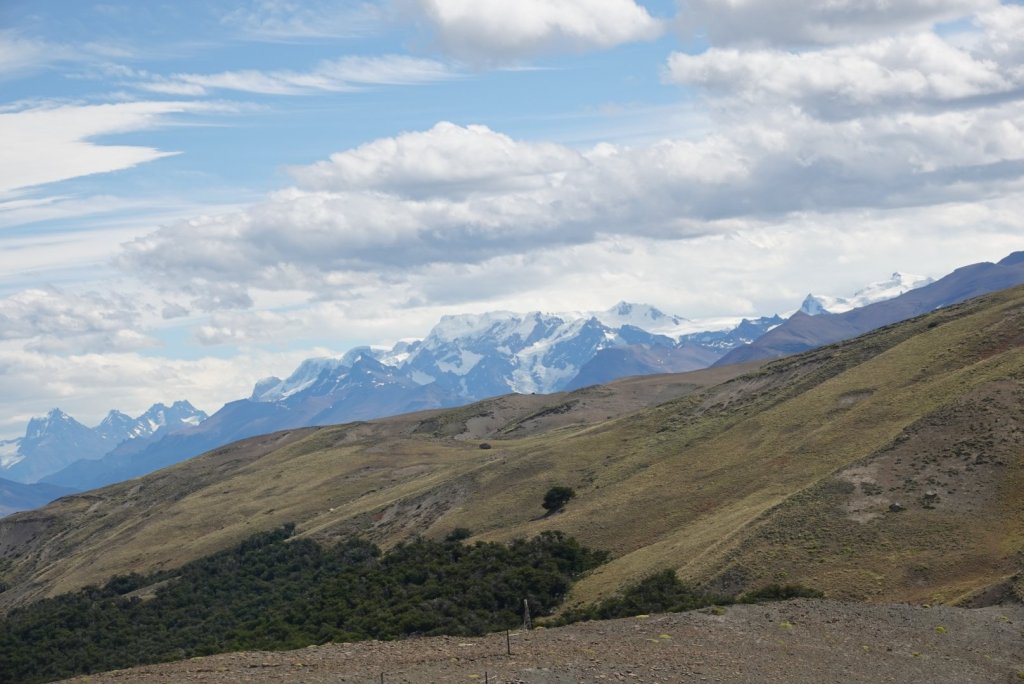
After a nap, we had a 4 hour excursion in a 4×4 truck that held 20! We visited a ranch that raised cattle but also enclosed a large hill with great scenery. The trip was up a very steep dirt road with breath taking views of Lake Argentine and the mountains of the Andies. We could see all the way to Chile and the park we will visit there on a few days, Torres del Paine
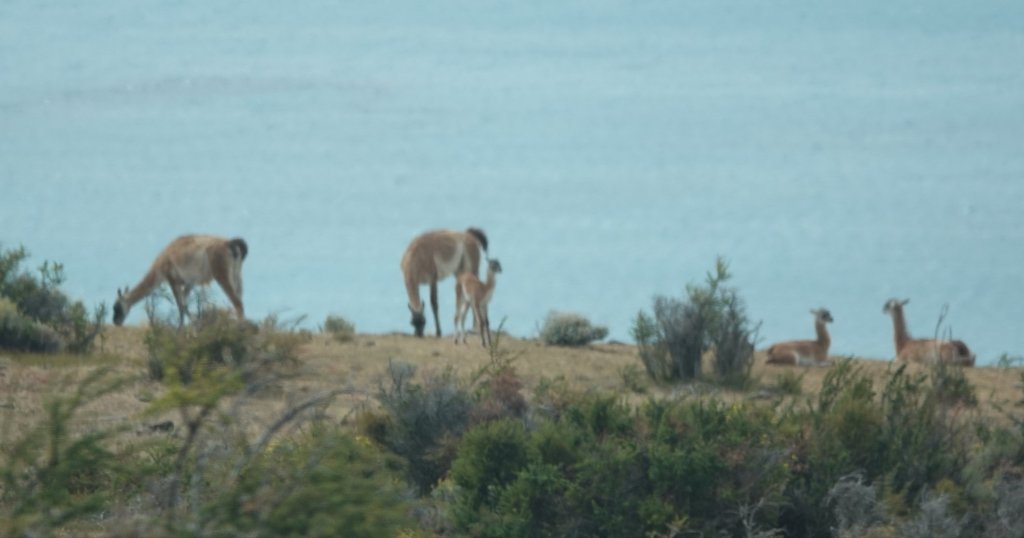
We even saw a few animals, Guanaco, a Llama like animal. There were 2 groups, 1 with this young one. We also saw a grey fox but he was too quick for a picture.
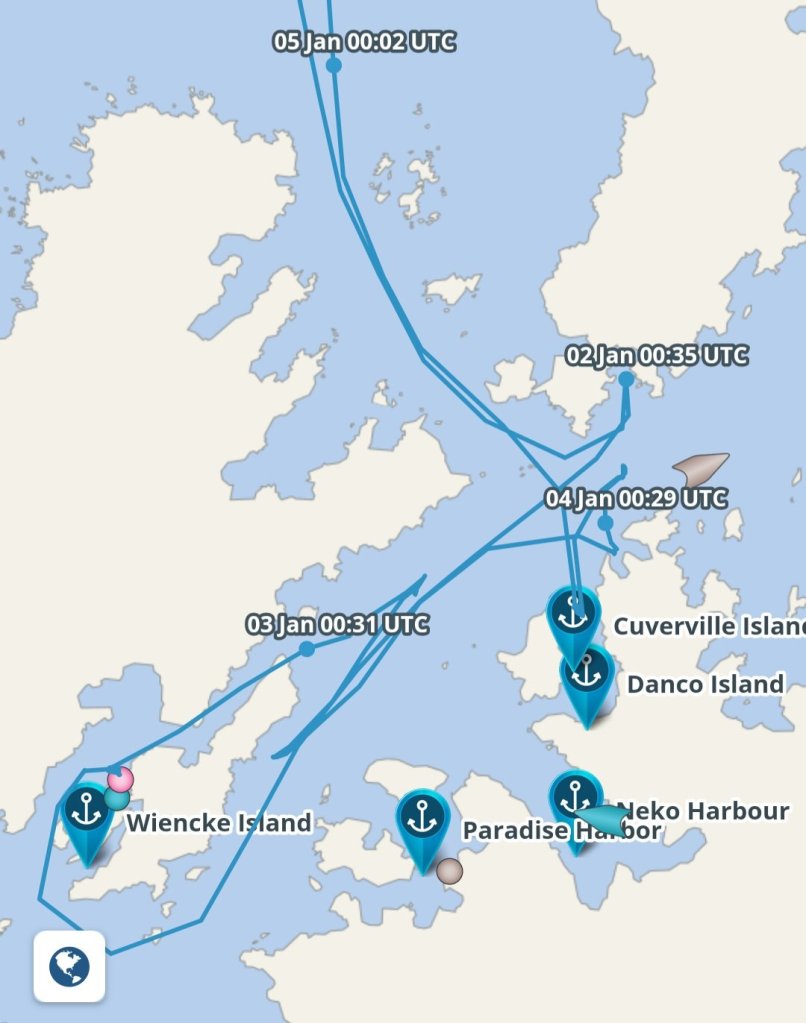
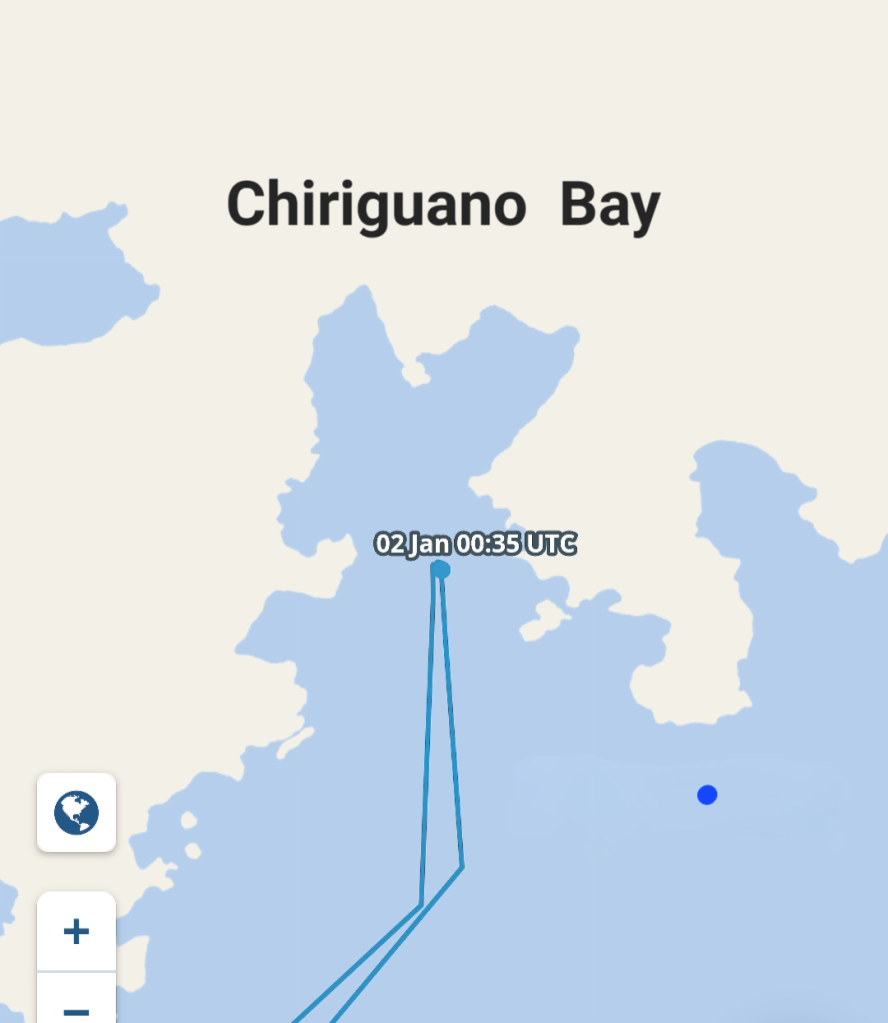
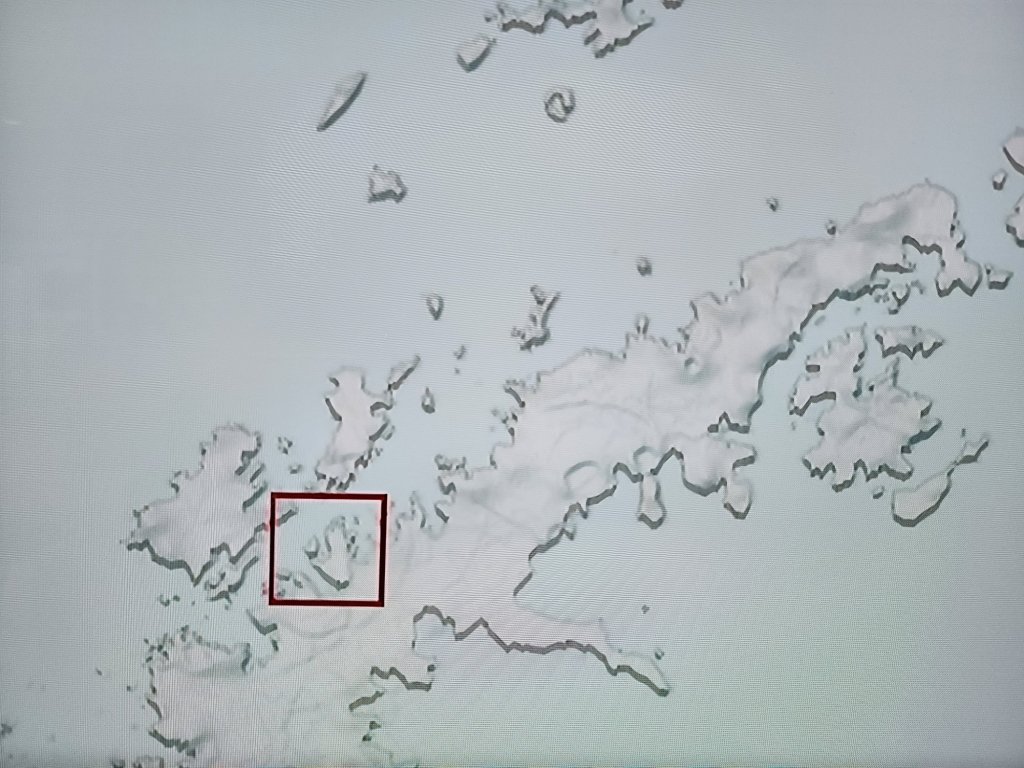
Our route from entering Antarctic waters until we headed back to Ushuaia Argentina.
1st landing was Chiriguano Bay just after we passed between Anvers Island and Brabant island
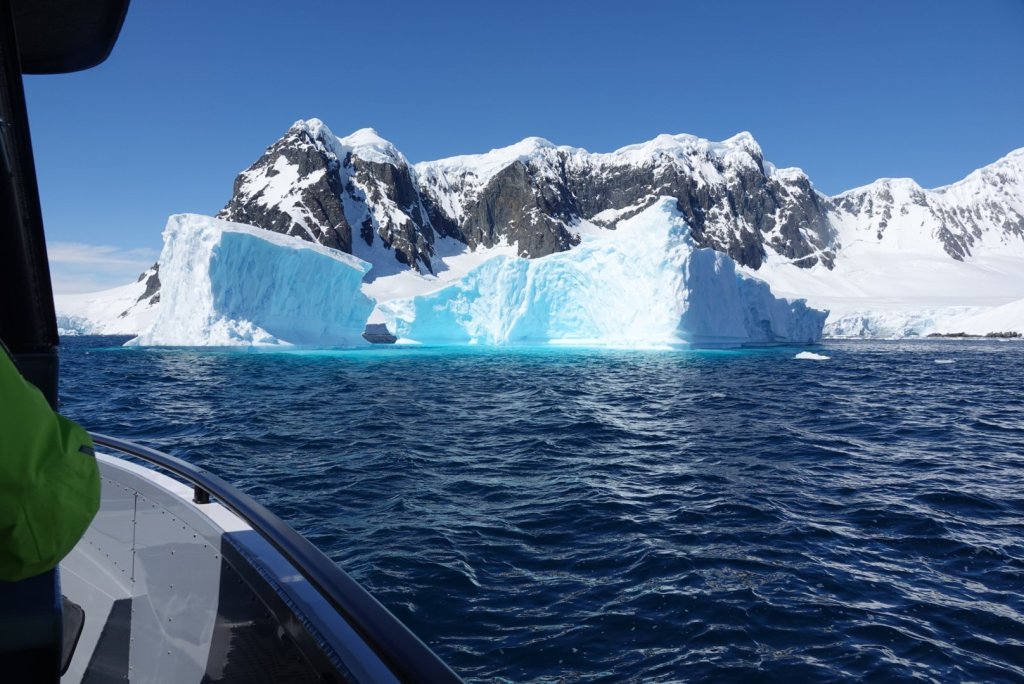
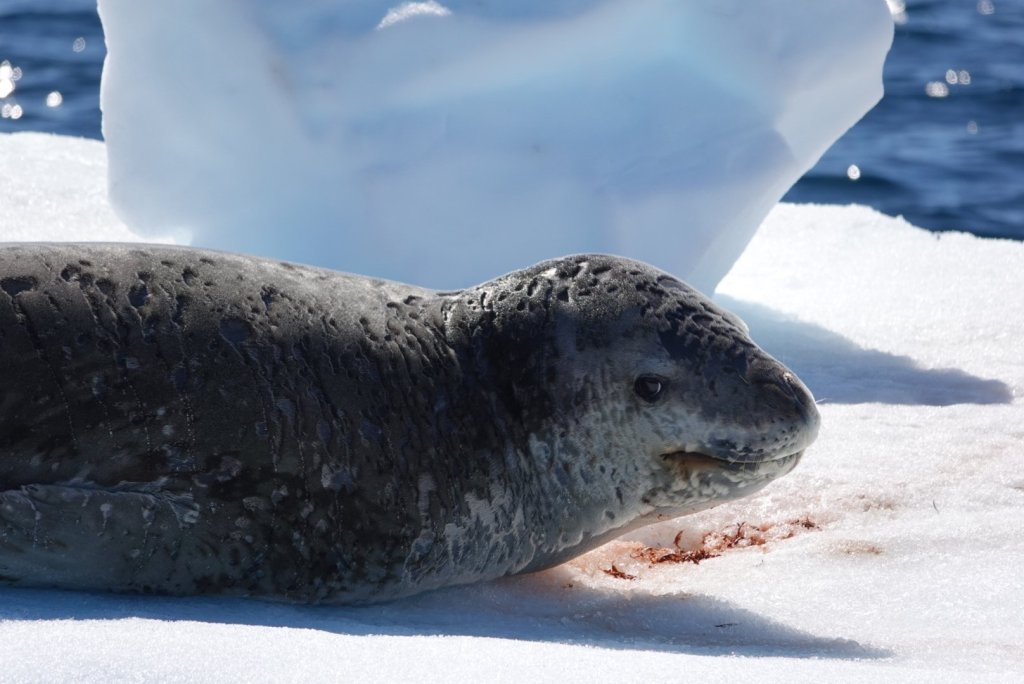
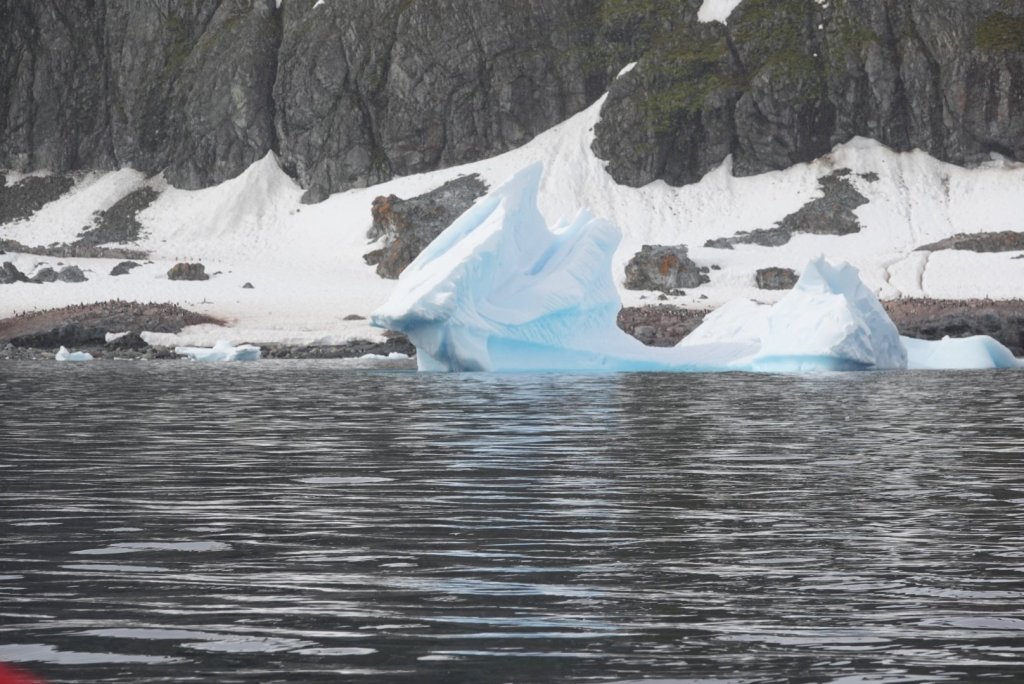
We found the most spectacular iceberg!And a leopard seal resting after lunch
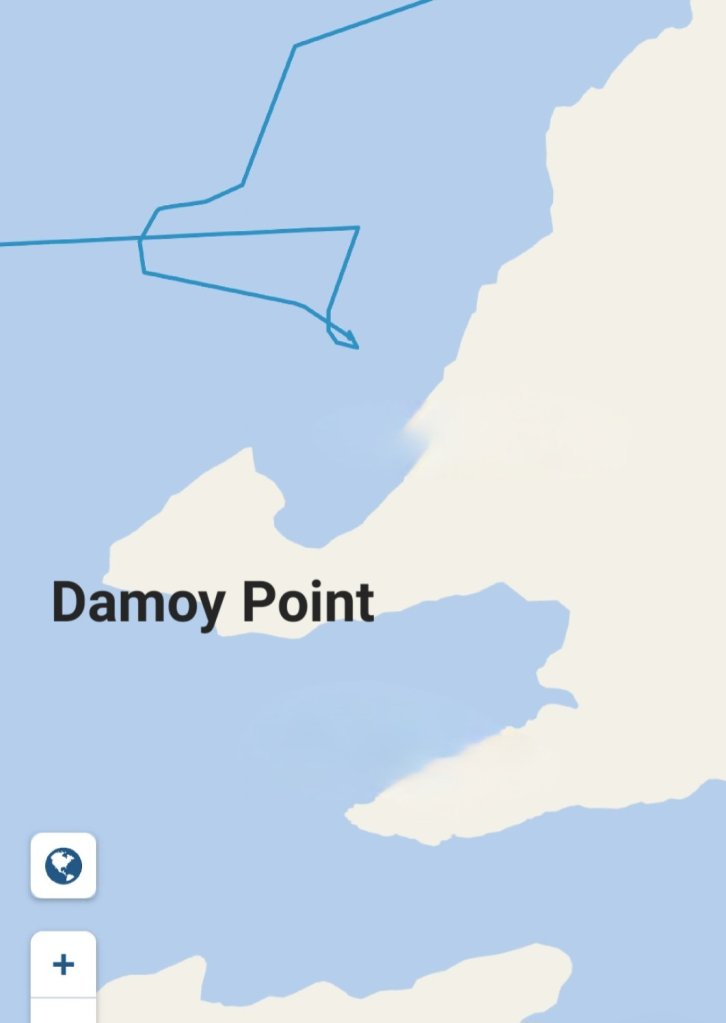
Our 2nd day, we moored in the bay off Damoy Point, off Weincke Island to the west.
Our 3rd day we went very early to Viking Polaris’s discovery Island, where they were first to find colonies of Gentoo penguins and request exclusive landing rights from IAATO.
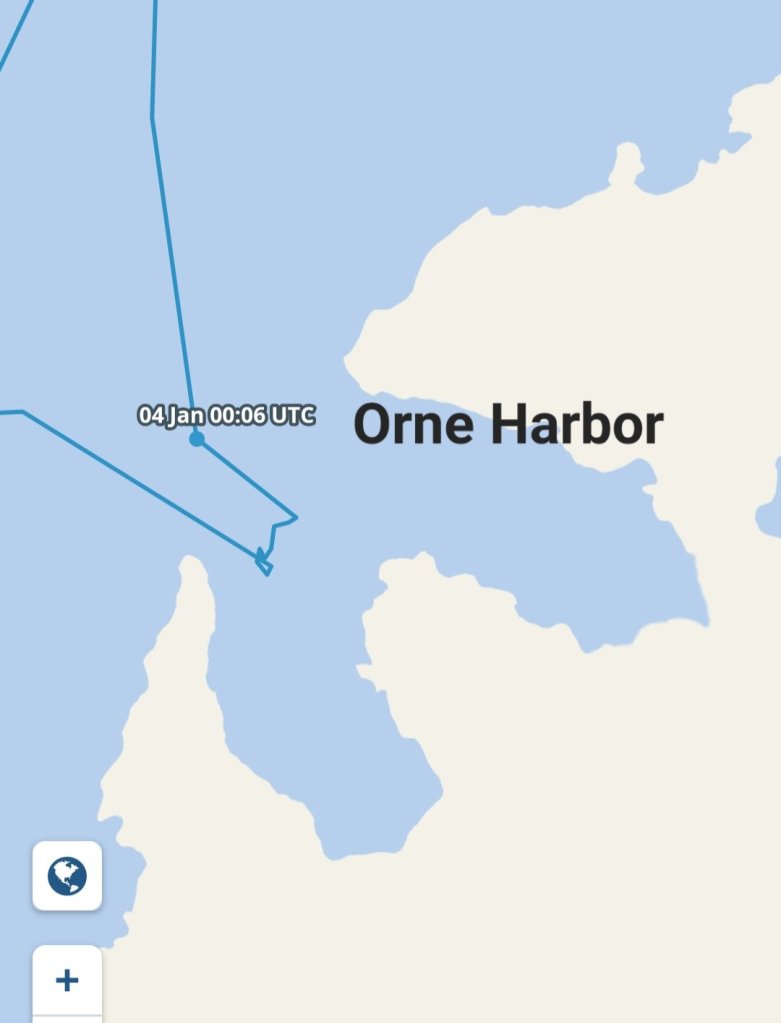
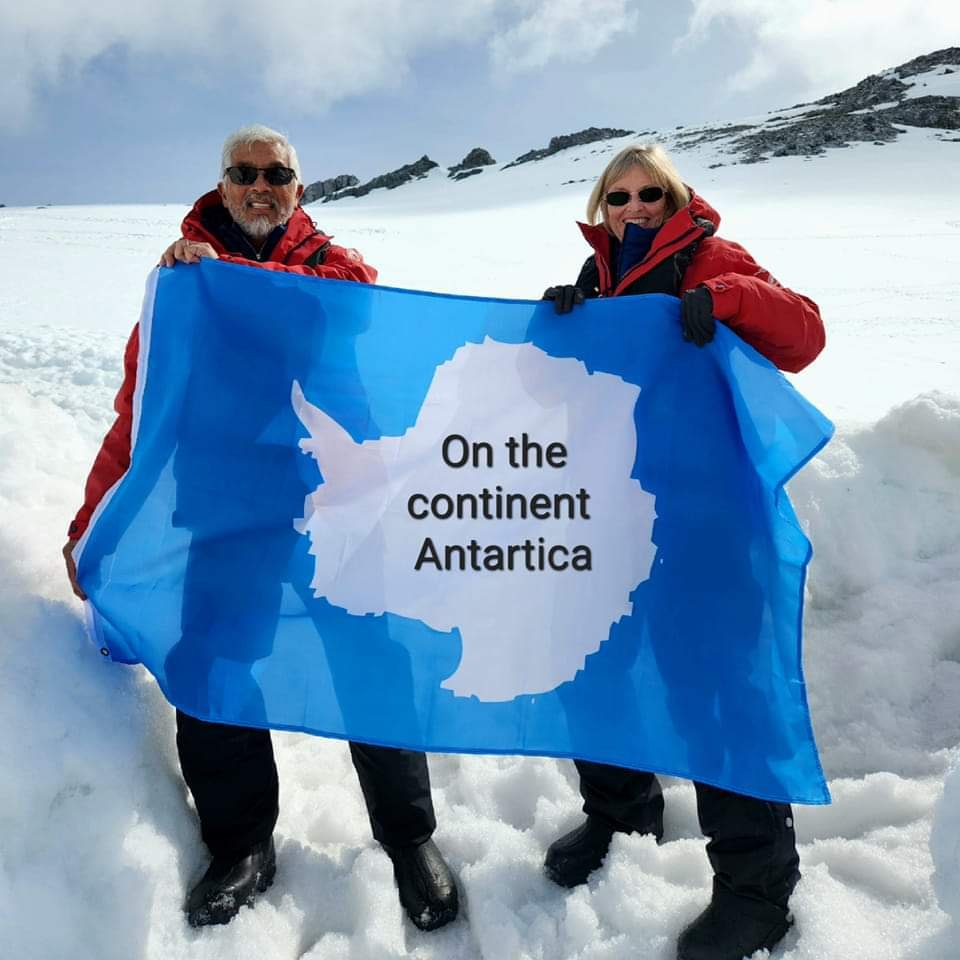
Then over lunch we sailed north to Orne Harbor for us to be able to touch land of the peninsula.
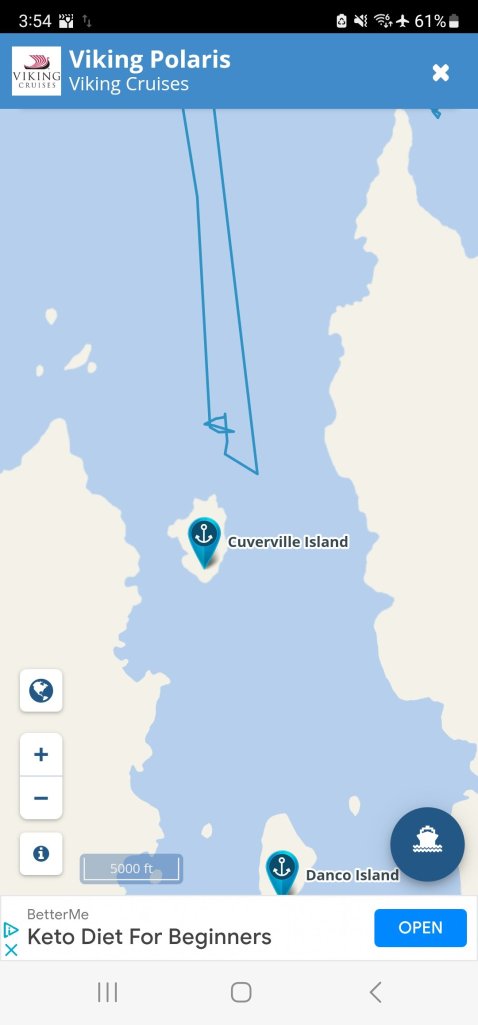
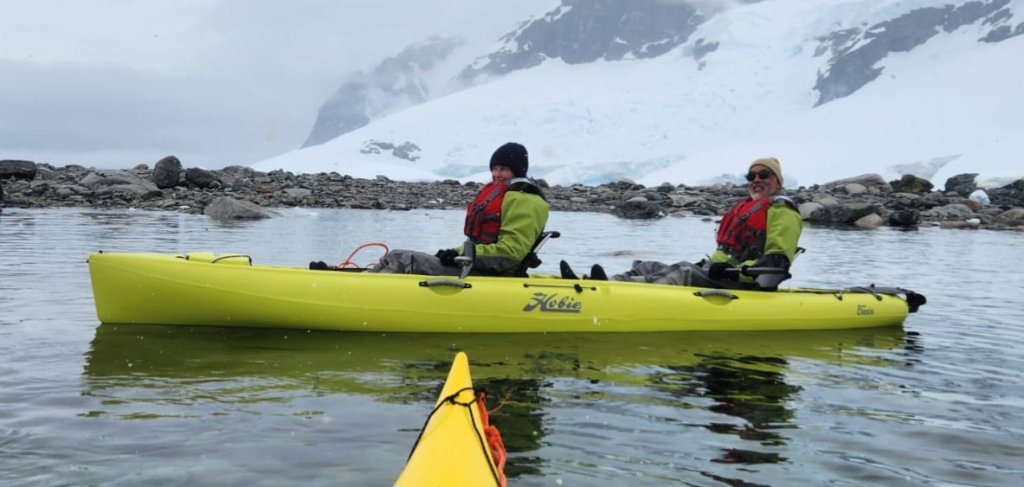
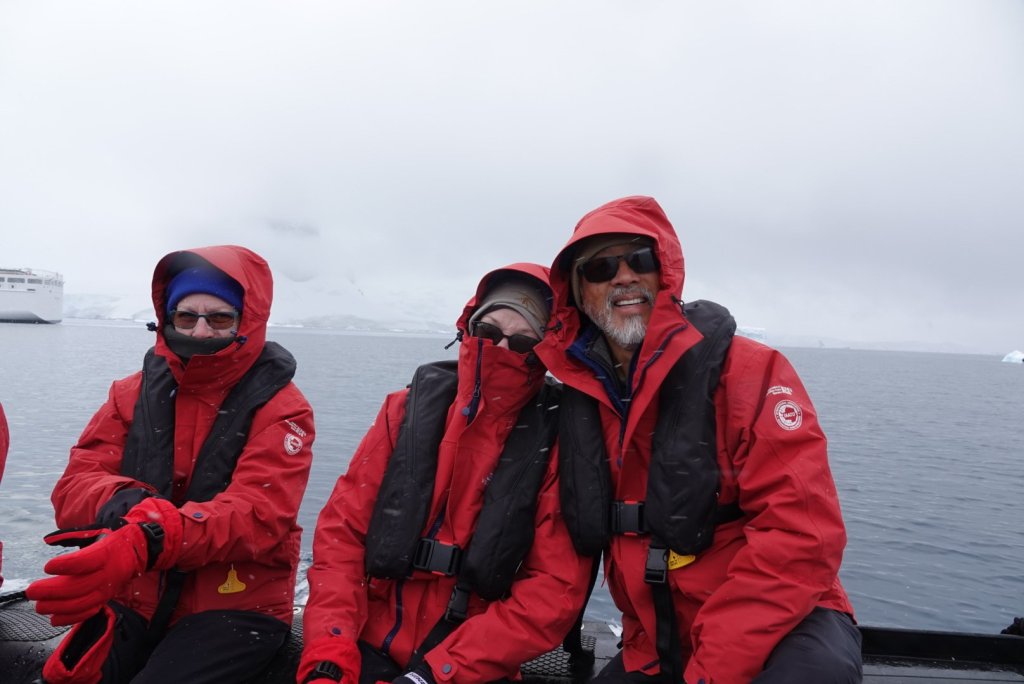
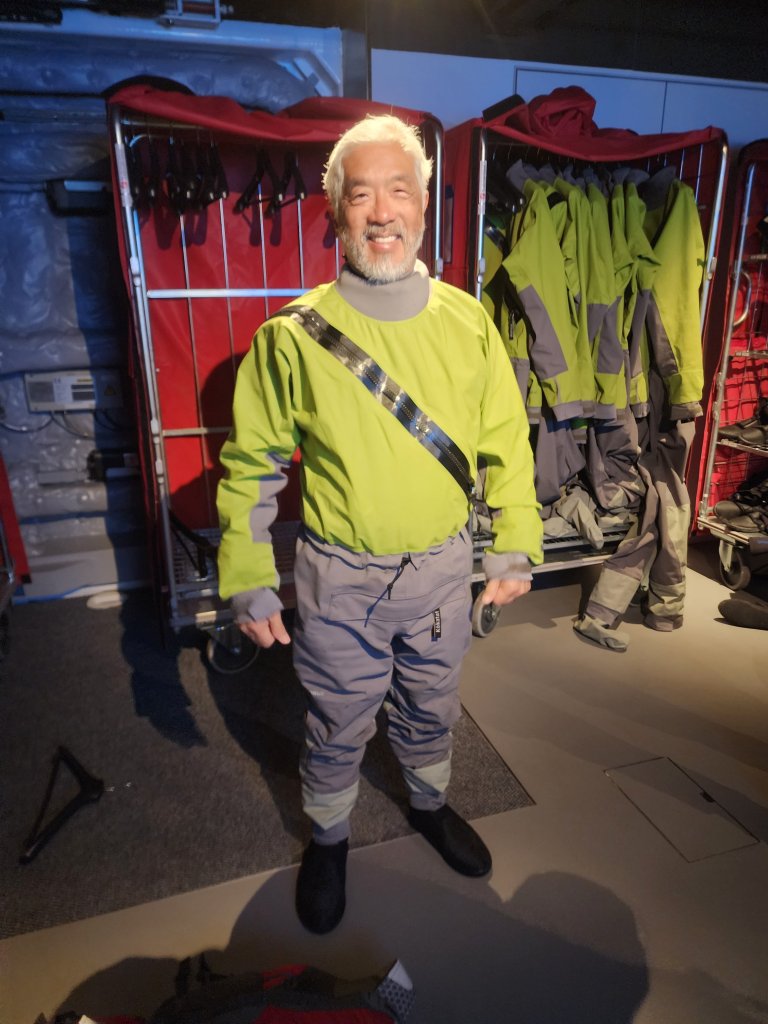
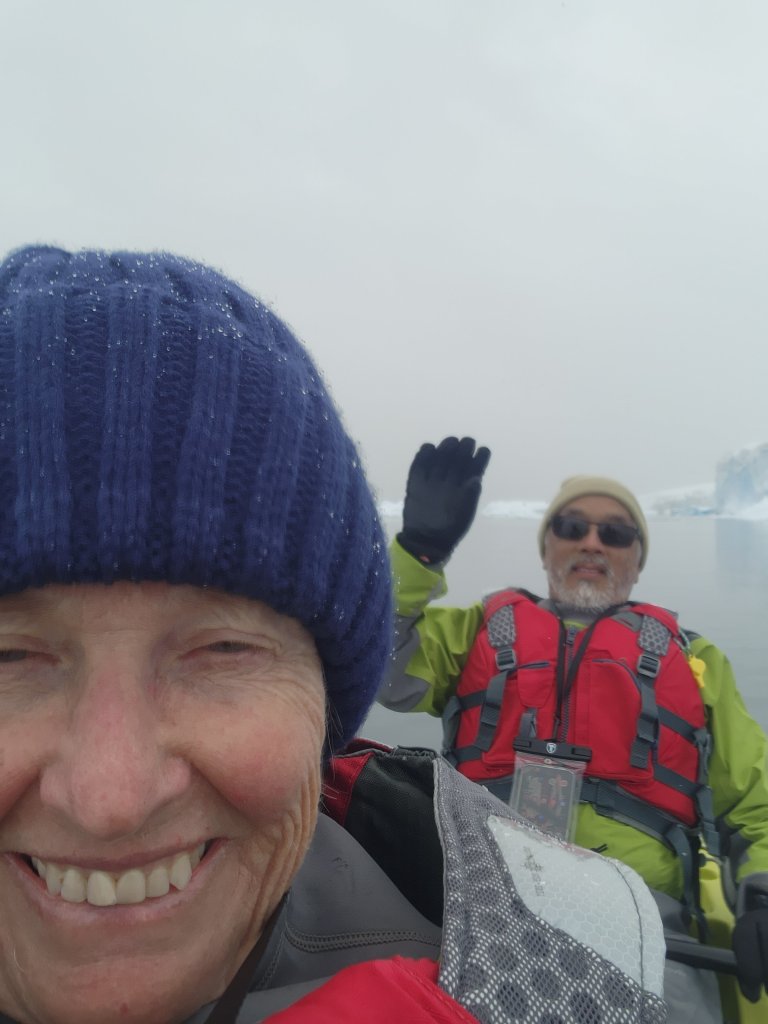
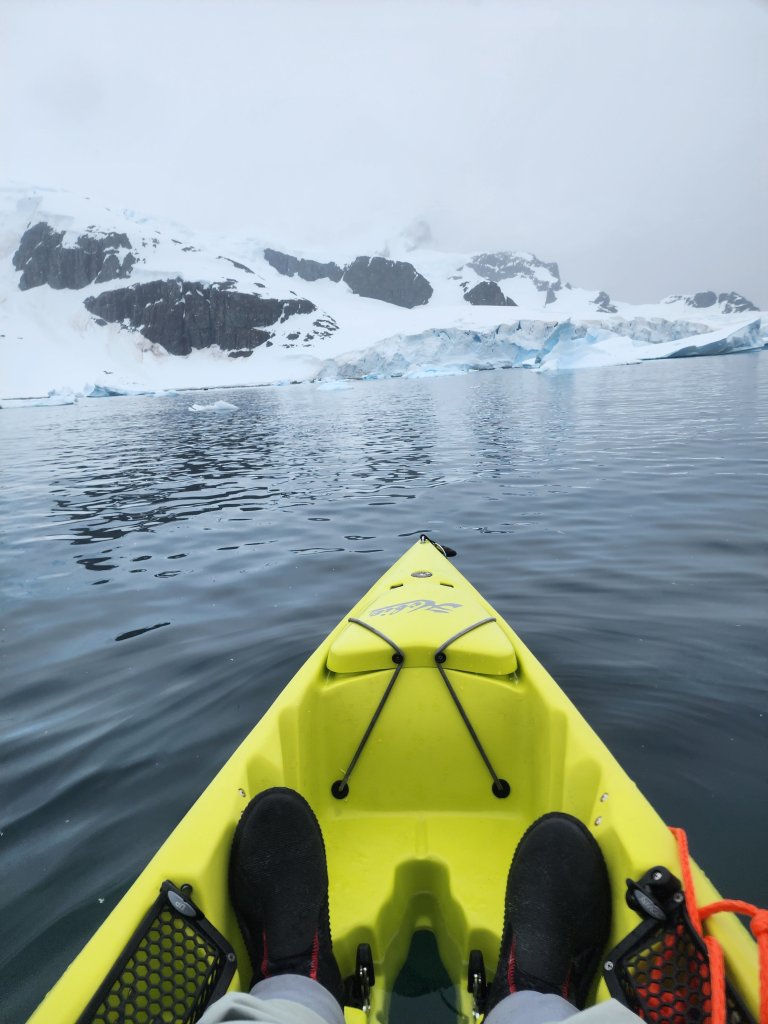
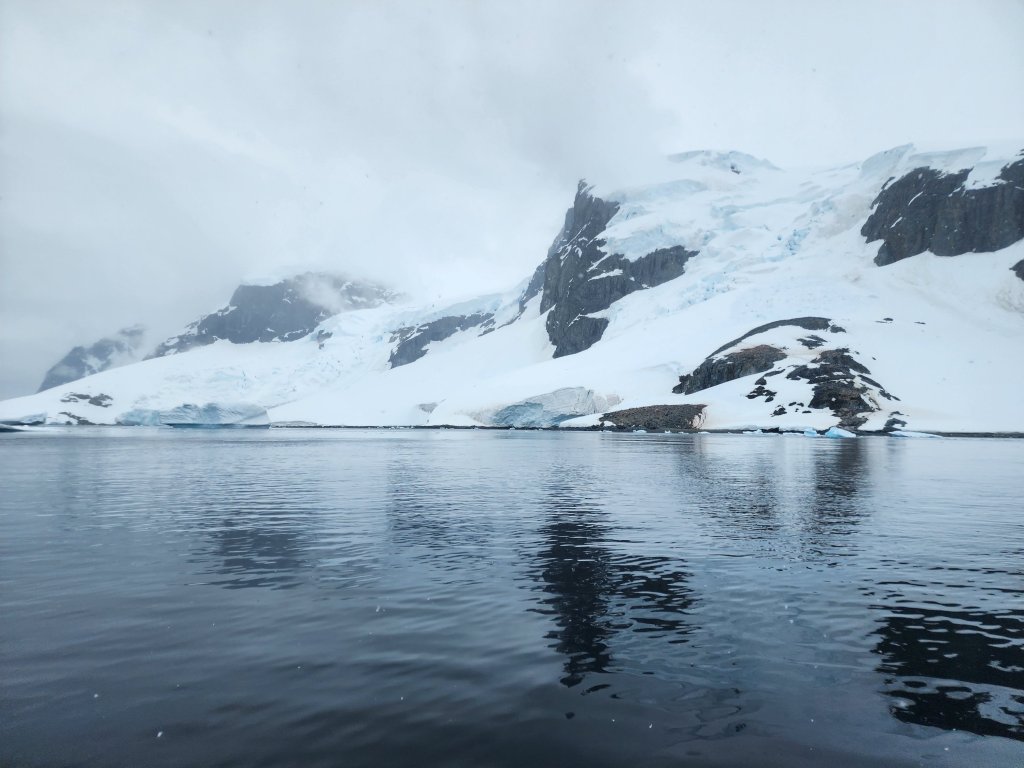
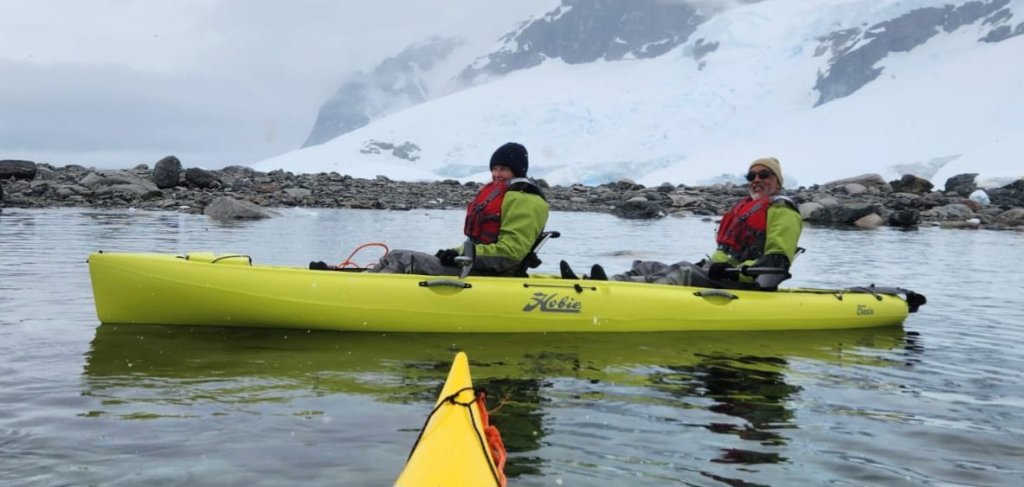
Our 4th day we visited Cuverville Island, where we had our only grey day, but it was a spectacular sight with snow flurries. This was our chance to kayak in a very smooth bay. We also did a special ops boat ride and the landing! Great day!
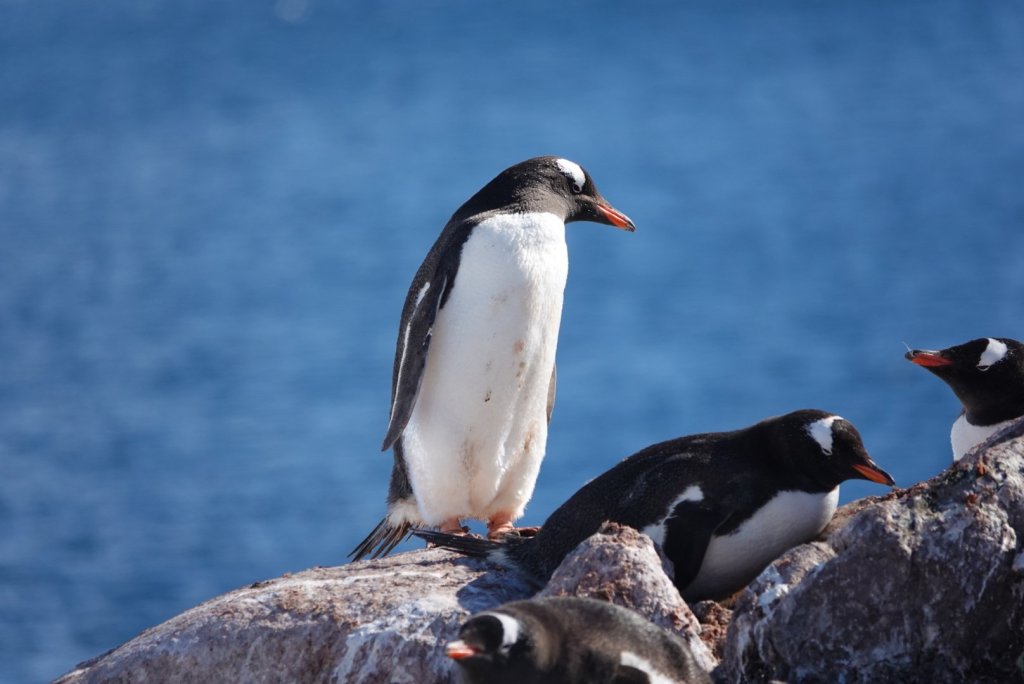
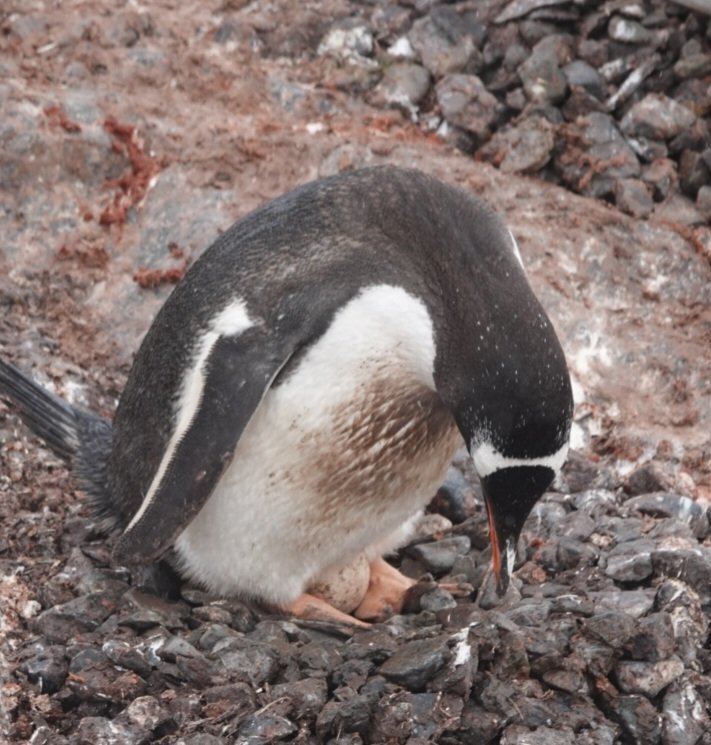
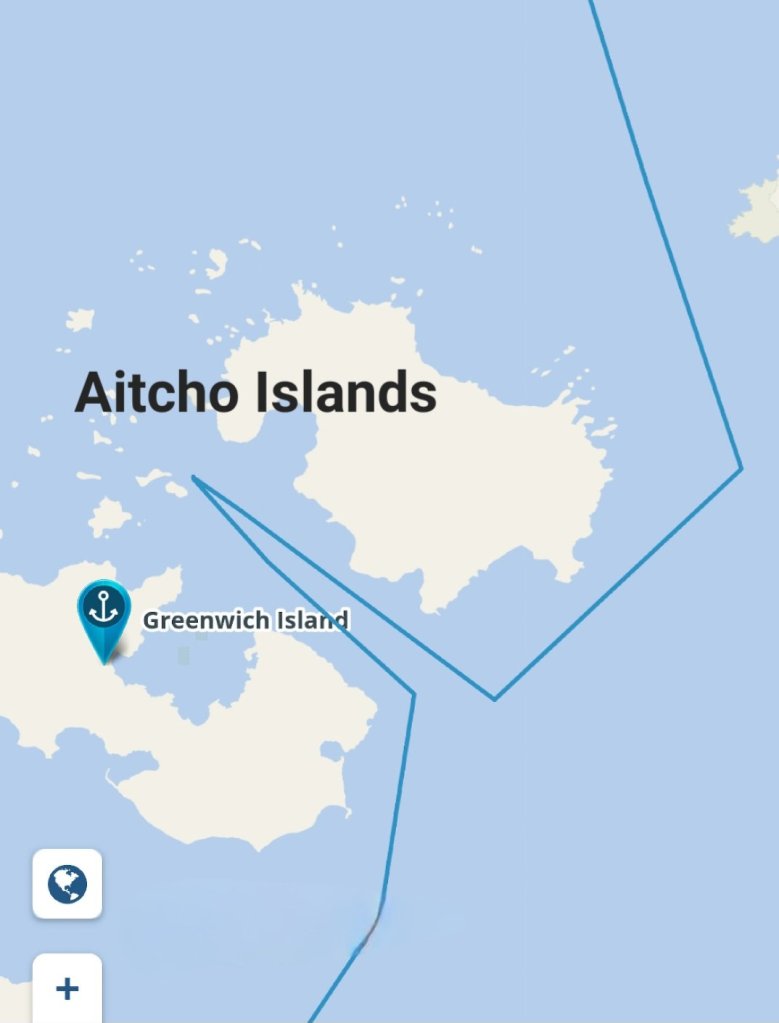
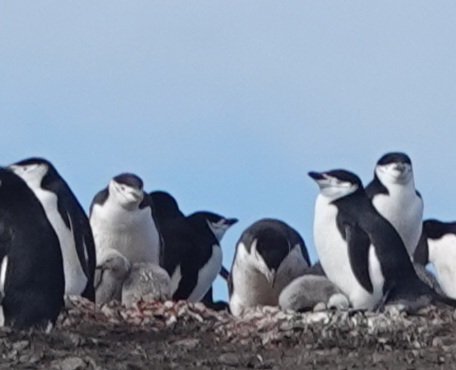
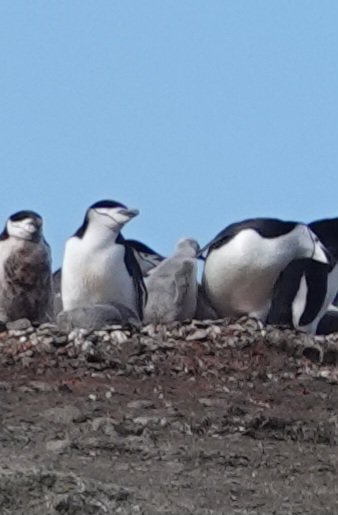
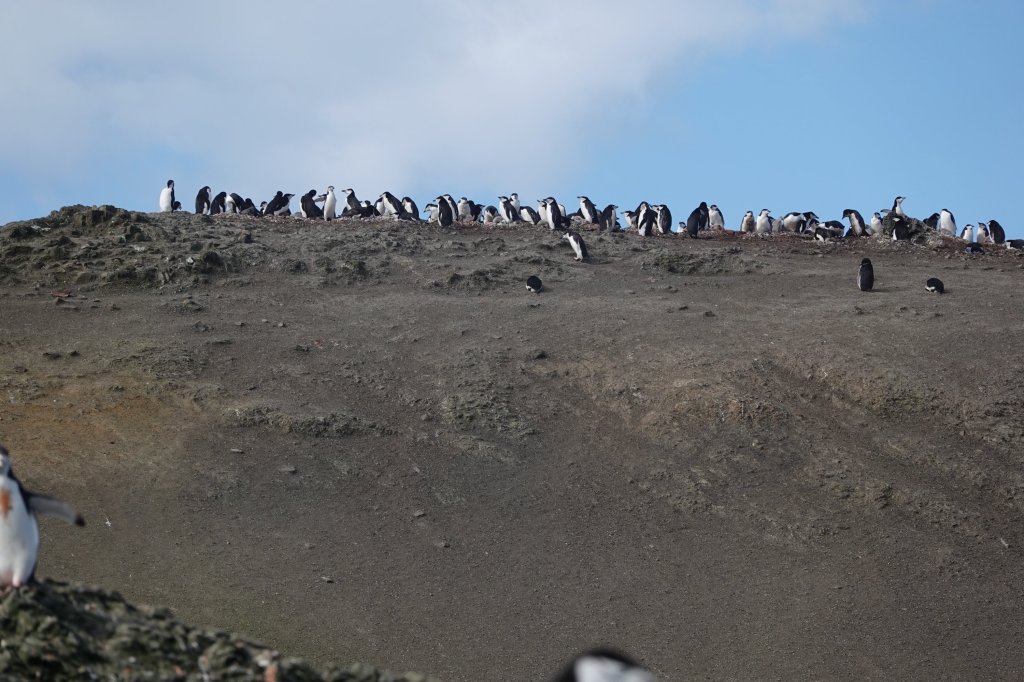
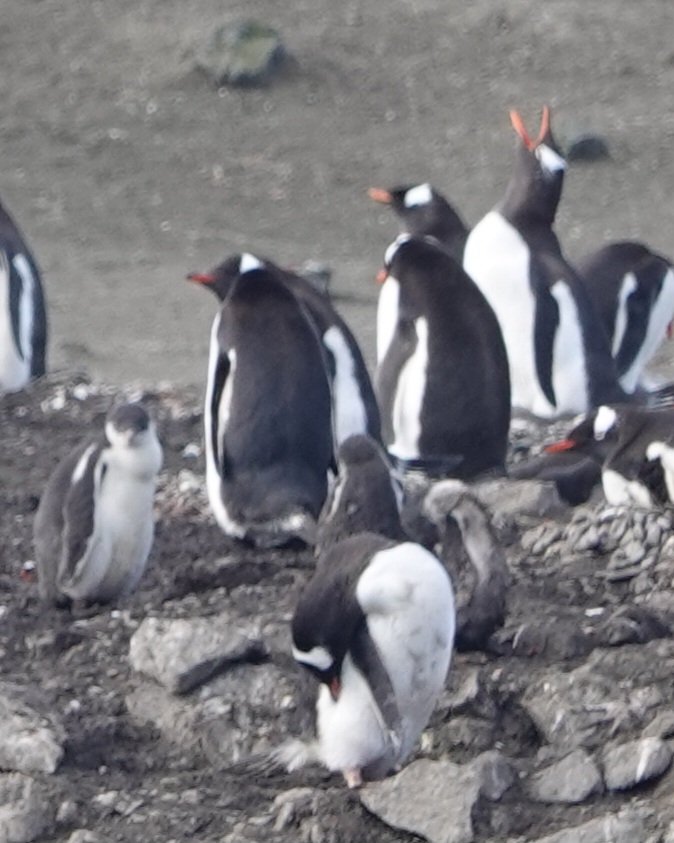
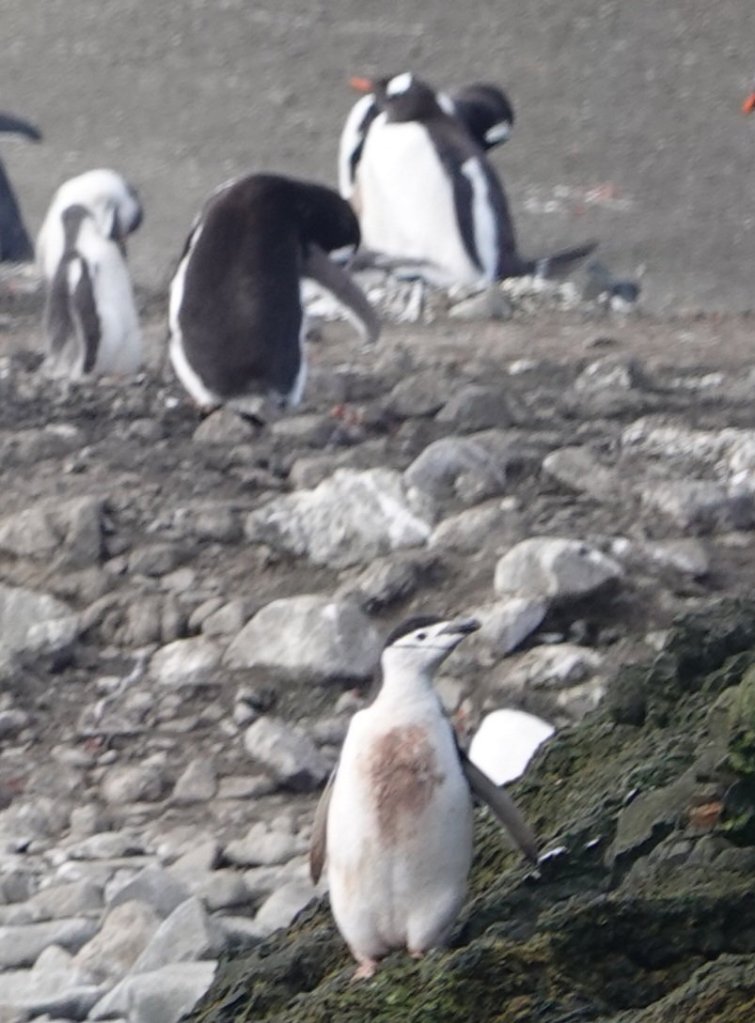
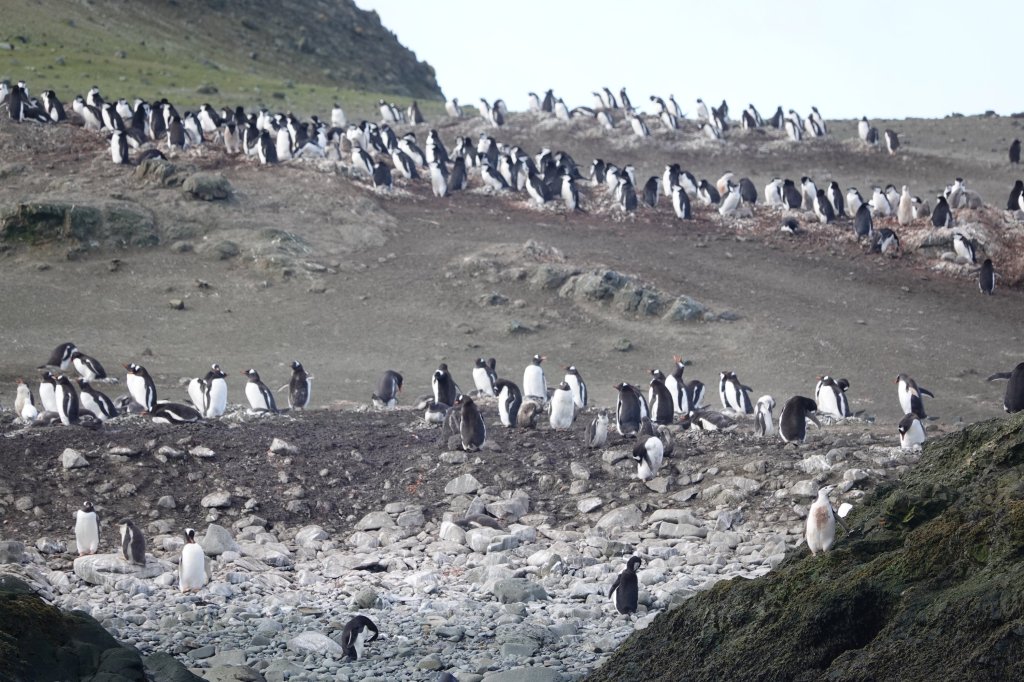
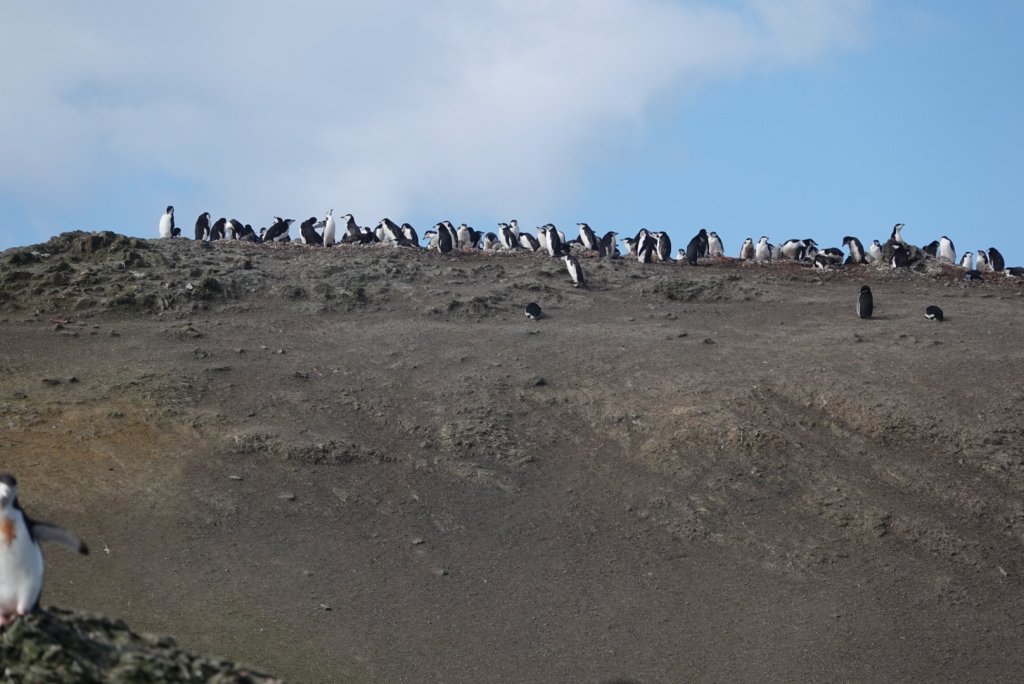
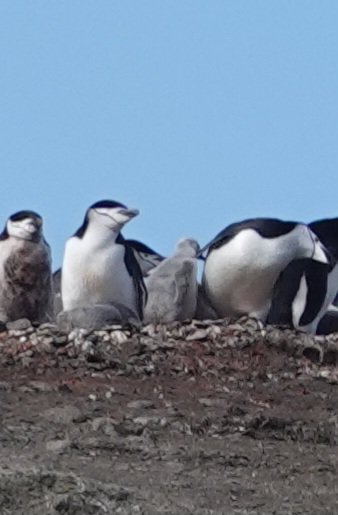
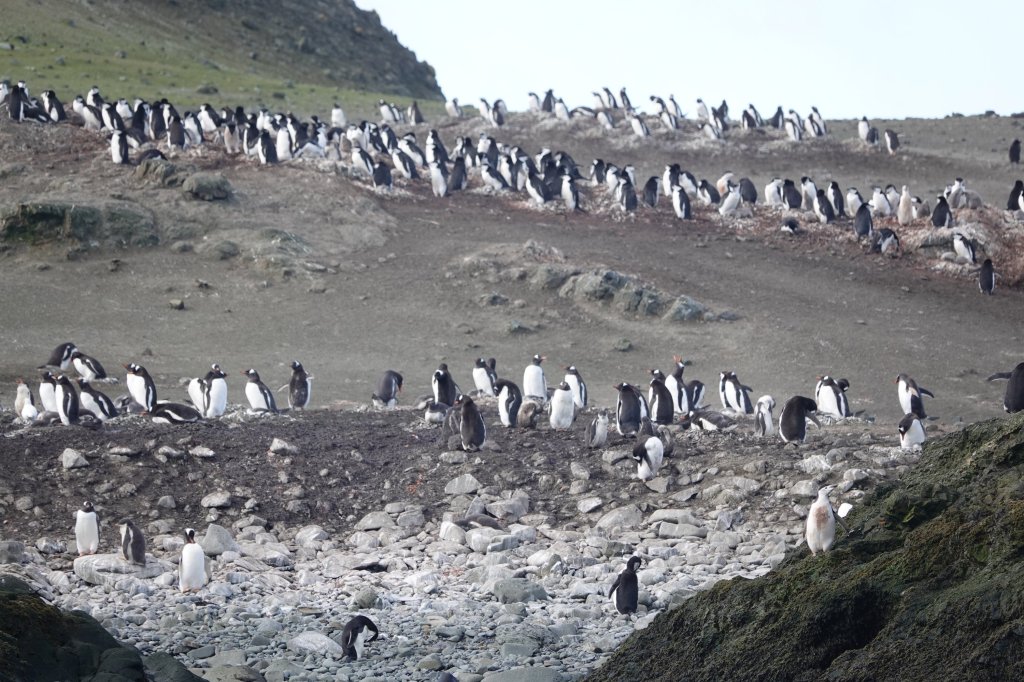
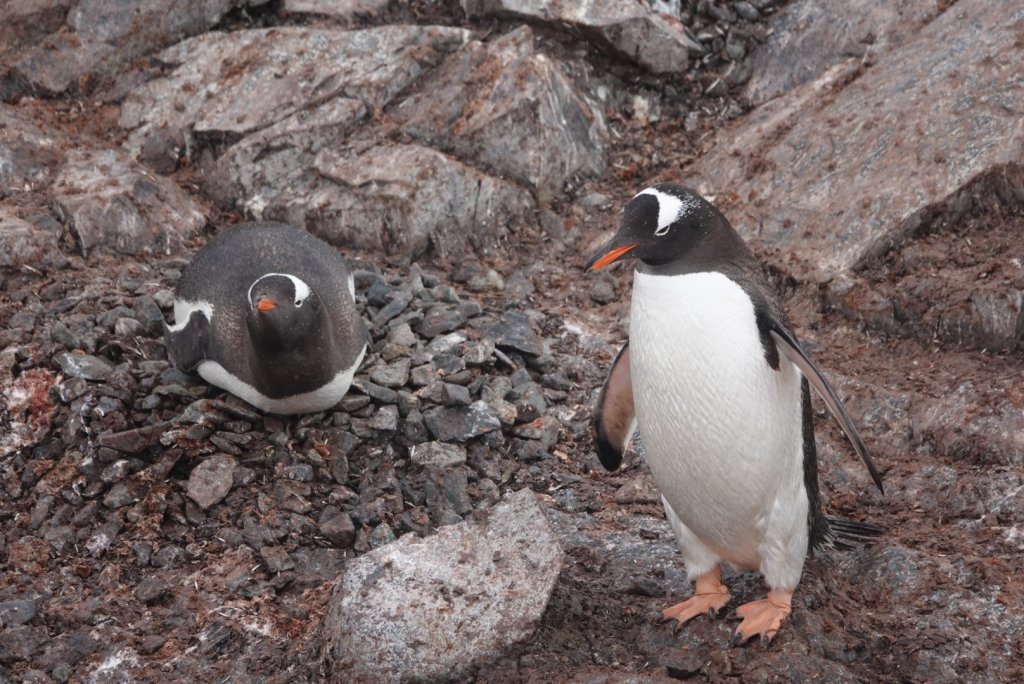
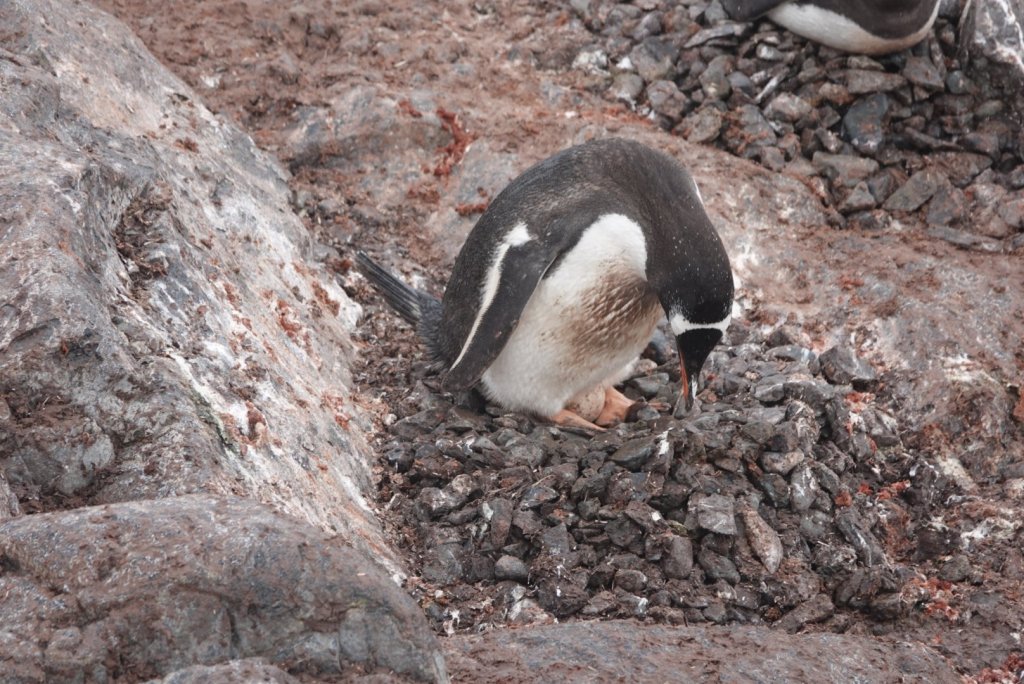
Our last day in Antarctic waters, we were able to see both Gentoo and chinstrap penguins with chick’s in the Aitcho Islands, on Cecilia Island. It is far enough north that the penguins are a couple weeks ahead of the nesting Gentoos on Cuverville Island, where saw only eggs, no chicks.
High resolution so zoom in to see all the little ones on this chinstrap colony2 chick’s hereOne chinstrap in the group of Gentoos with a large chick High resolution so you can zoom in
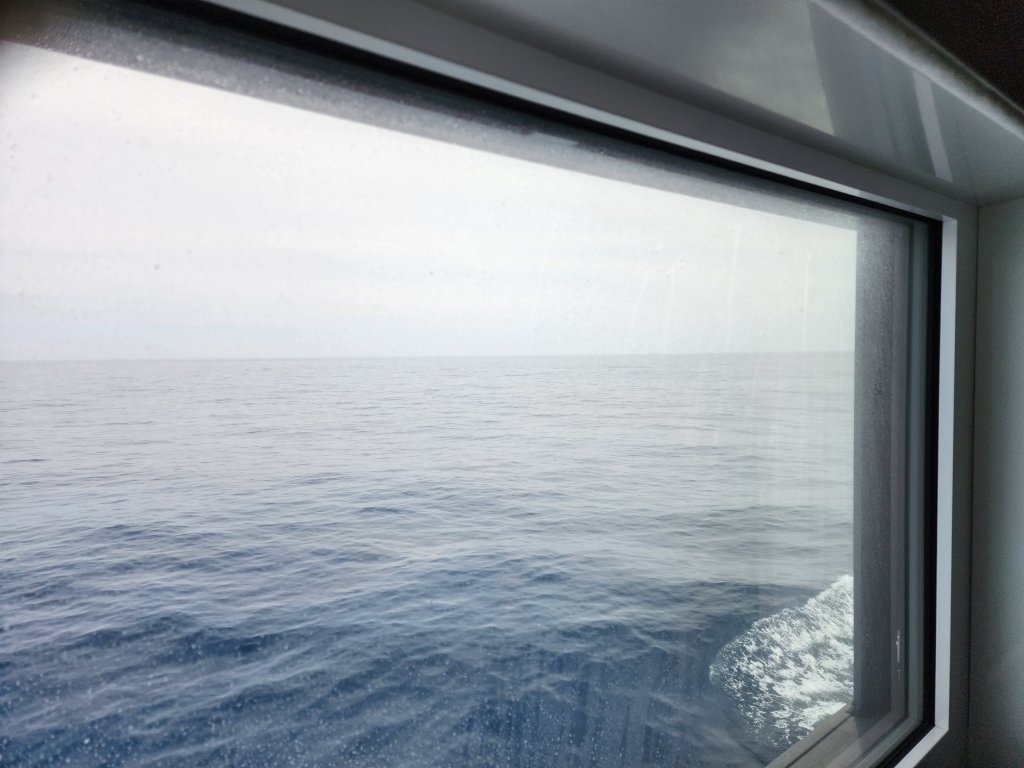
Heading across the Drake north then west, to miss a low pressure area of bad weather
I can’t, in words or even pictures! But I will try
First of all, I will never say we took an Antarctic cruise! This is not a cruise! It isn’t for cruisers! It’s an expedition, with real science going on, scientists on board with expertise in geology, sea birds, marine biology, cetaceans, animal behavior, …. they cover every aspect of the things you will see and experience here!
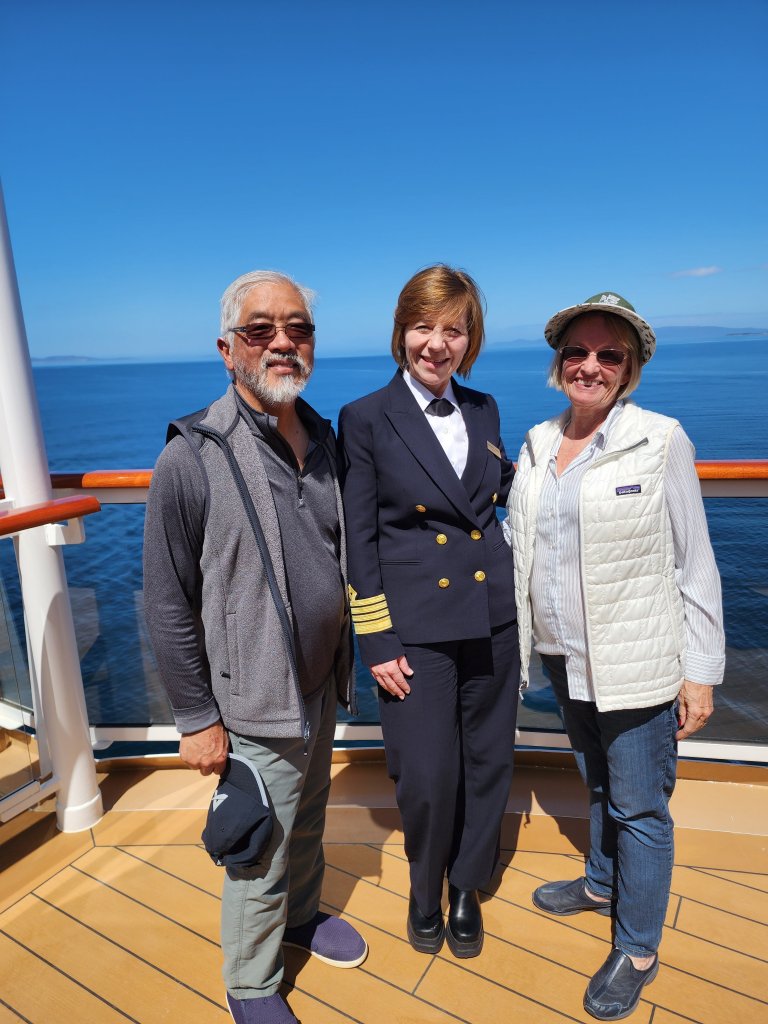
Second, we learned right away that flexibility is the only way to face the Antarctic. We were a bit disappointed on boarding to find the Drake was really shaking, and our Captain Maggie made the decision to wait for calmer waters to cross…. giving us 2 full days to explore around Ushuaia, our port. We did a bus trip across the mountain pass to a beautiful valley and lake, getting a small taste of what Patagonia will be (our next section of this adventure). We actually got that bonus most Viking customers don’t get. She left port early on the 2nd day so we passed through the Beagle channel in daylight, getting to see glimpses of our first penguins, a colony of Megellanic penguins.
On top of that, our captain made up the time crossing the smoother Drake waters in record time, about a day and a half! We immediately began 5 days full of adventures.
Third, the Expedition team worked very hard to give us the best experience. They were up early, began preparing the vehicles, the landing site, and scouting a perfect kayak location. They mark the trails for best way to see the penguin colonies or view the sights. They often worked late, until everyone had a chance to do the exercise. For instance, when we had a chance to put foot on the solid peninsula, not just the islands of the Antarctic, the team drove zodiac “taxis”, zodiac cruises, with a mini stop. In order to extend our experience there, they drove us around a chinstrap penguin coloney on the point and nearer a beautiful glacier in the bay.
They also have prepared great lectures and videos presented in the Aula, the “theater” on the rear of decks 2 and 3. This space is named after the auditorium at the University of Norway in Oslo. Where the Nobel Prize was first awarded. They also have presentations for individuals or small groups in Expedition Center and the Studio. Sometimes, we were even invited to see some of the science in the lab or watch the weather balloon release on the bow
I will leave the summary of animals and birds for another post, as that is another aspect of this adventure that is beyond imagination! To summarize in a word? Impossible!
Our last stop was in the Aitcho Islands and our Zodiac cruise got close enough to photograph great penguin colonies of both Gentoo and Chinstrap. With babies!
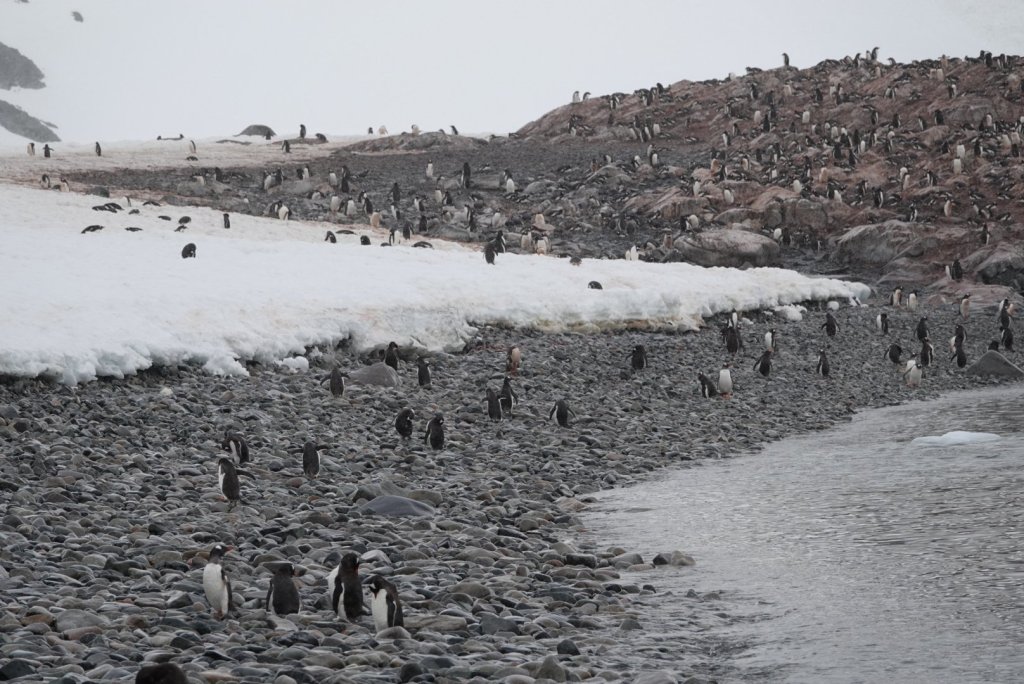
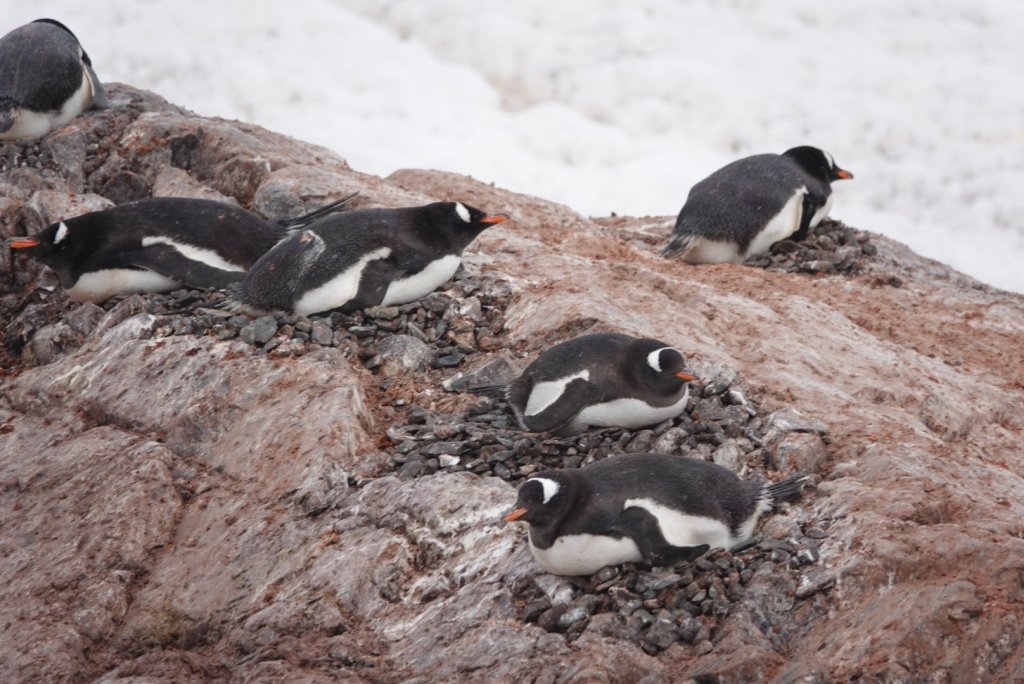
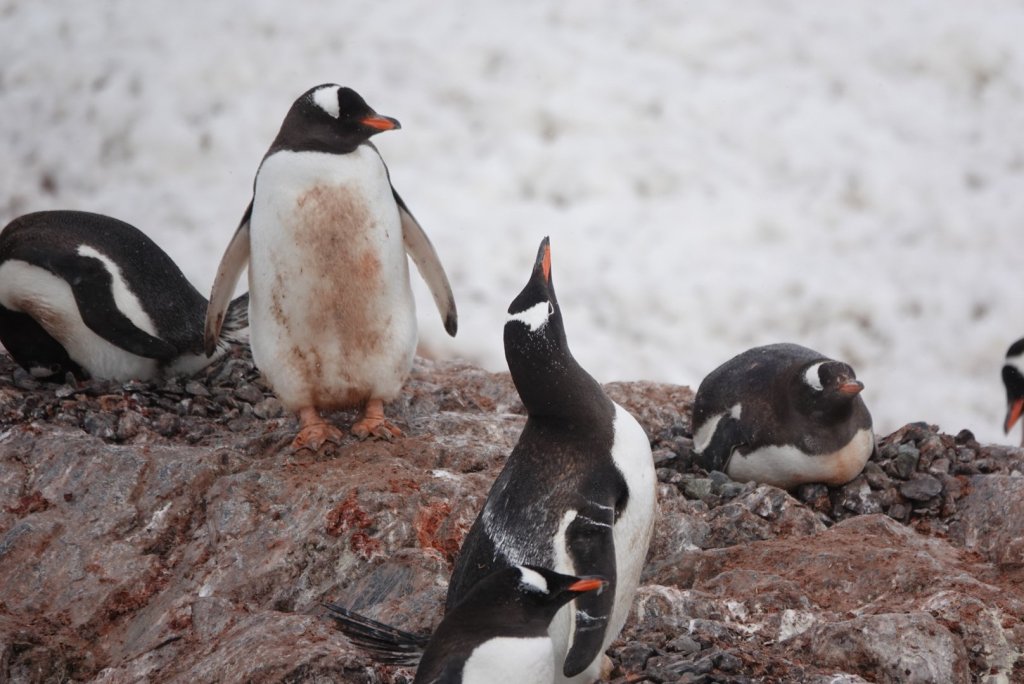
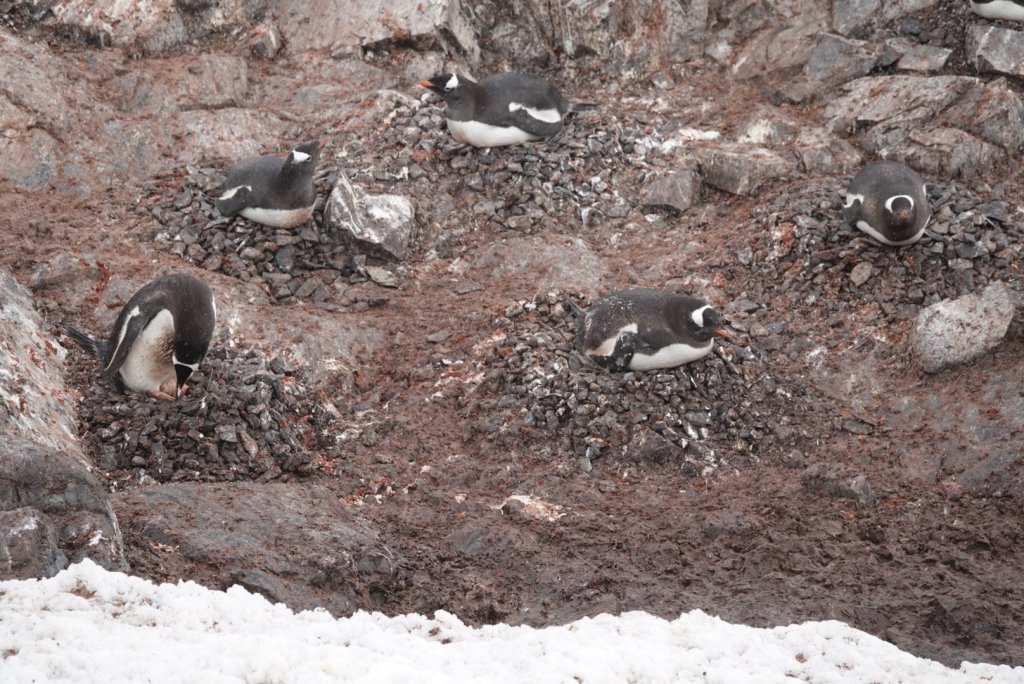
Fabulous day! Cloudy and a few snow flurries! But unbelievable sights of 1000s of Gentoo penguins, glaciers and Icebergs! We got a hike on land to see nesting Gentoos and then kayaking!
Kayaking experience was great since the bay was calm and the penguins entertained us
While we were at dinner last evening, we caught a glimpse of Octantis, our sister ship cruising by!
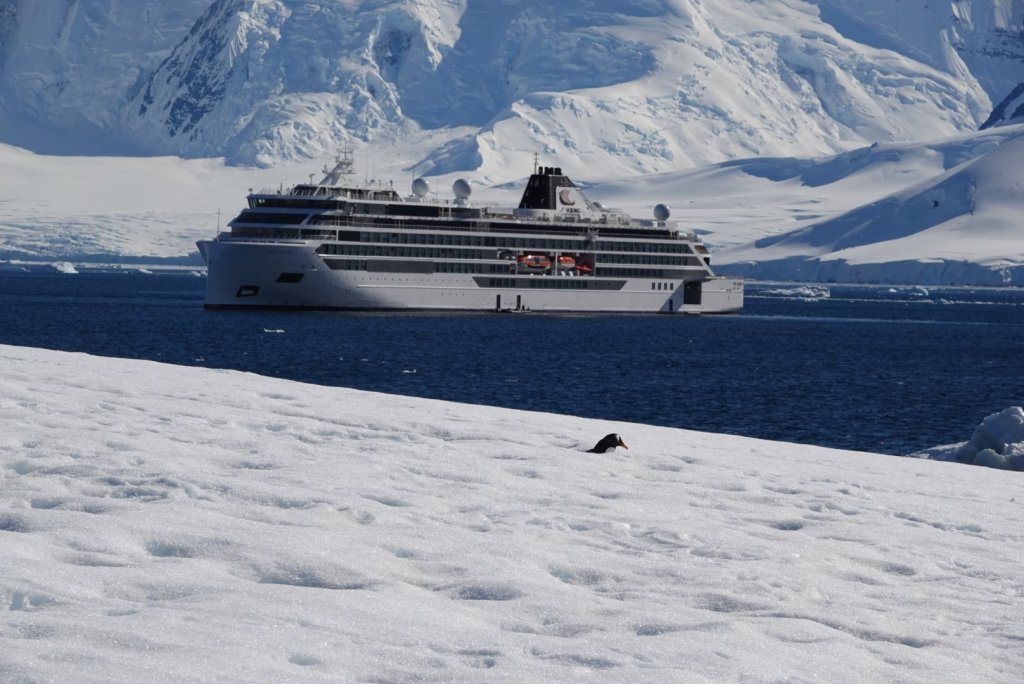
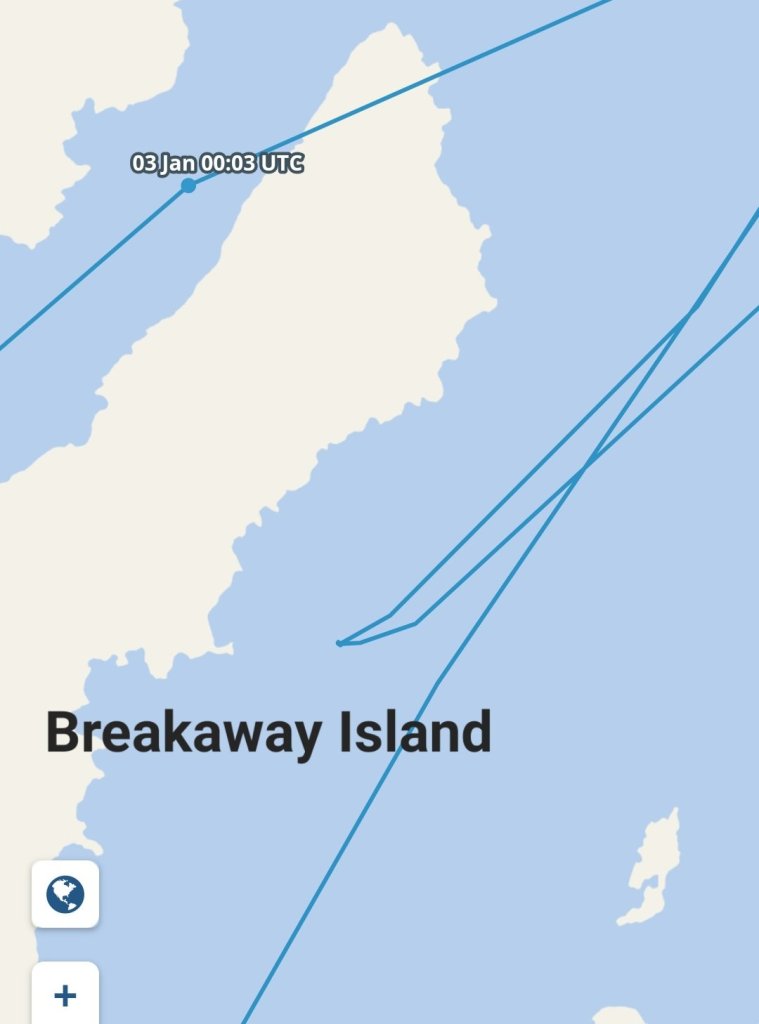
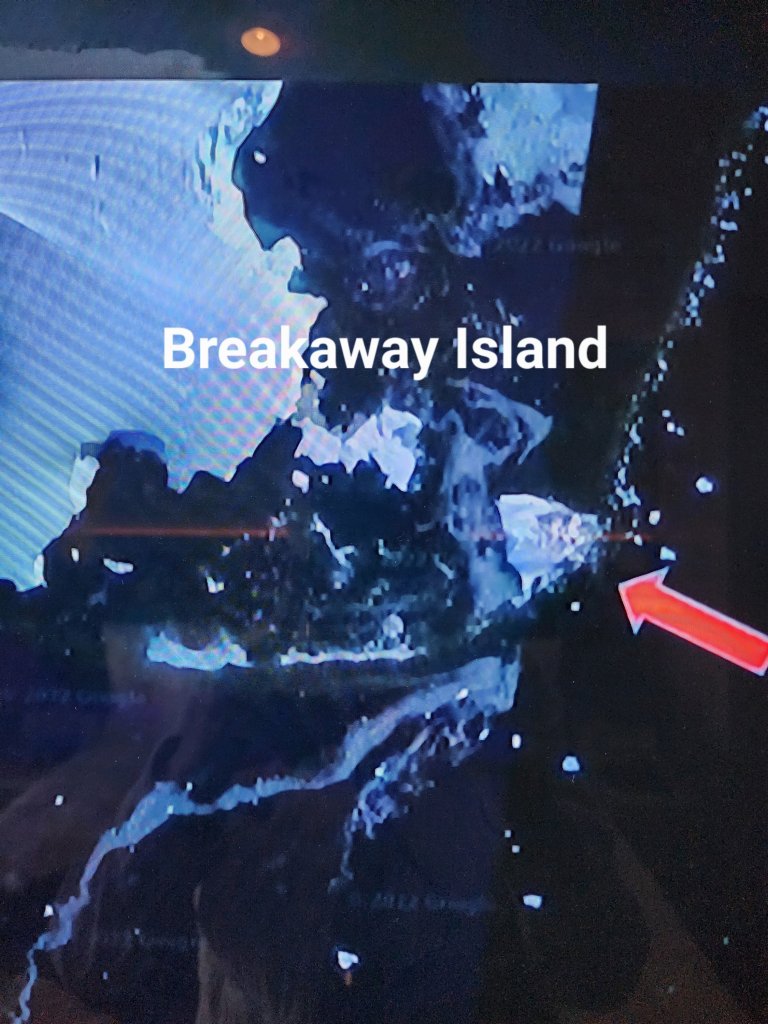
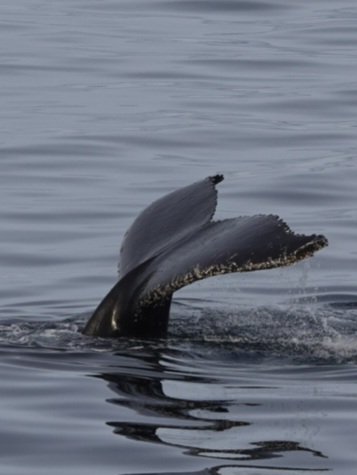
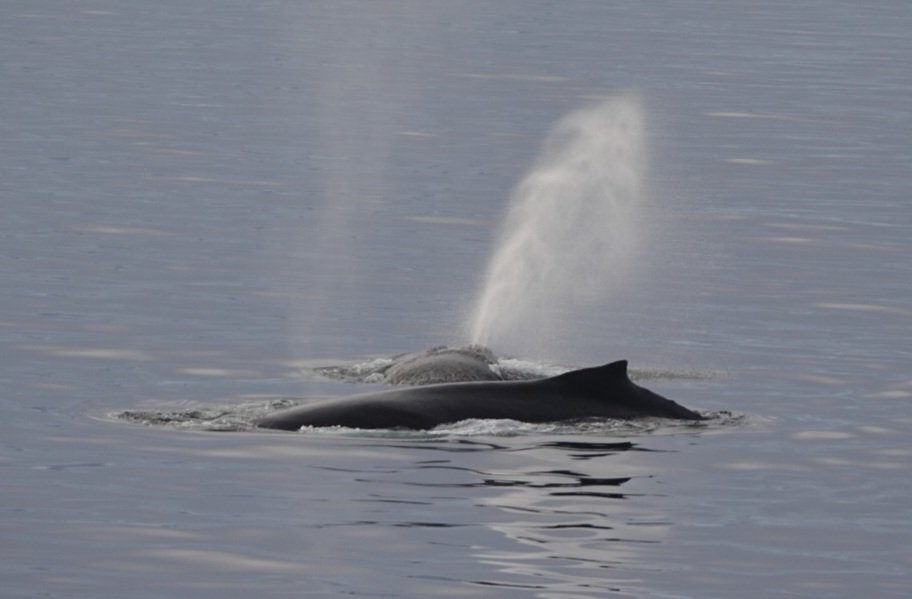
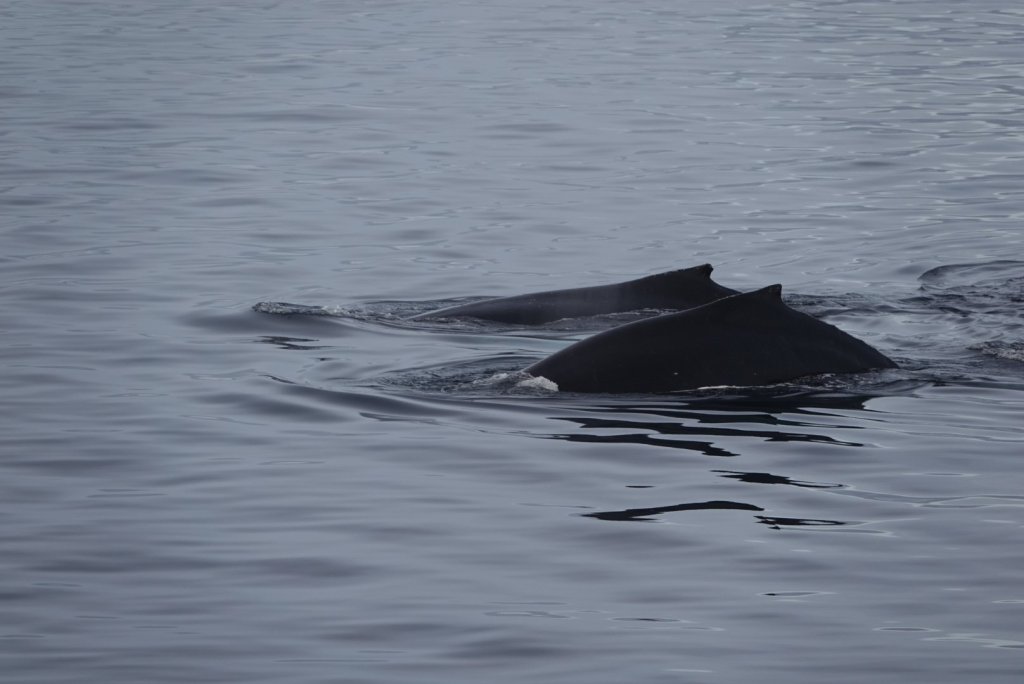
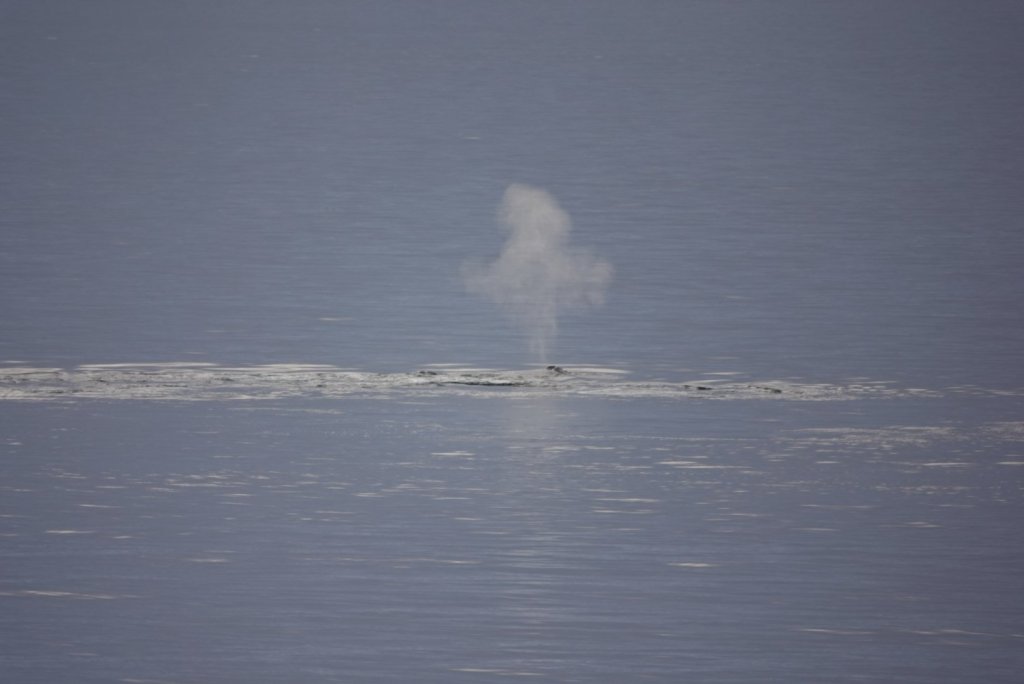
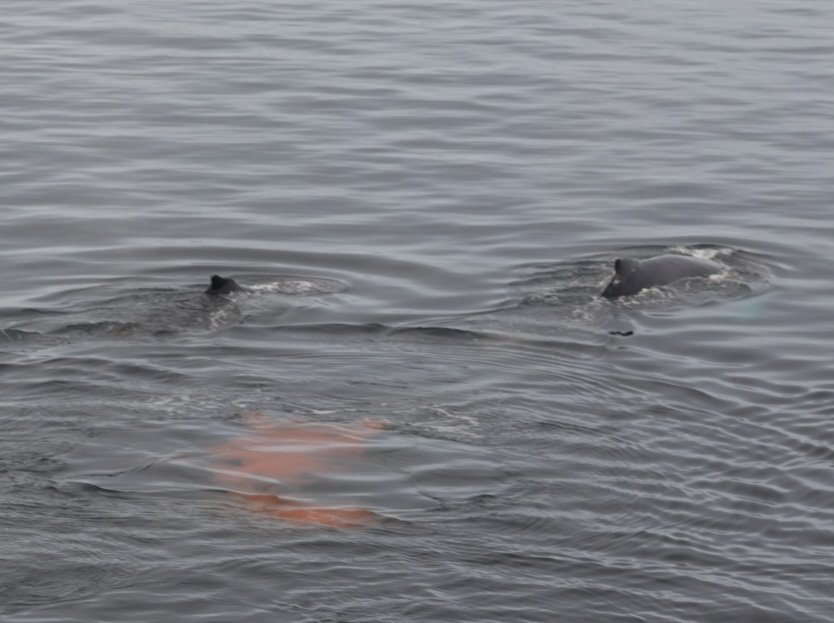
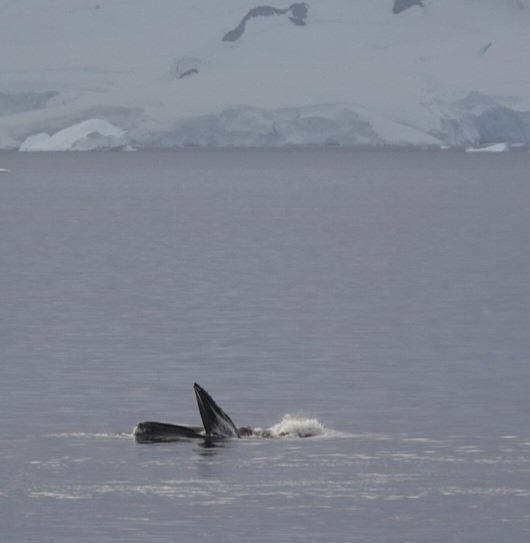
We were stationary in the middle of a great crossroads of sorts, in the junction of 3 channels. About the same time, we saw 2 whales come up parallel to the ship. We got out jackets and went out on the bow to watch the great whale show, several more were there, eating krill. In 2 instances we saw 2 then 3 of them, working together, diving deep then coming up, lunge feeding.