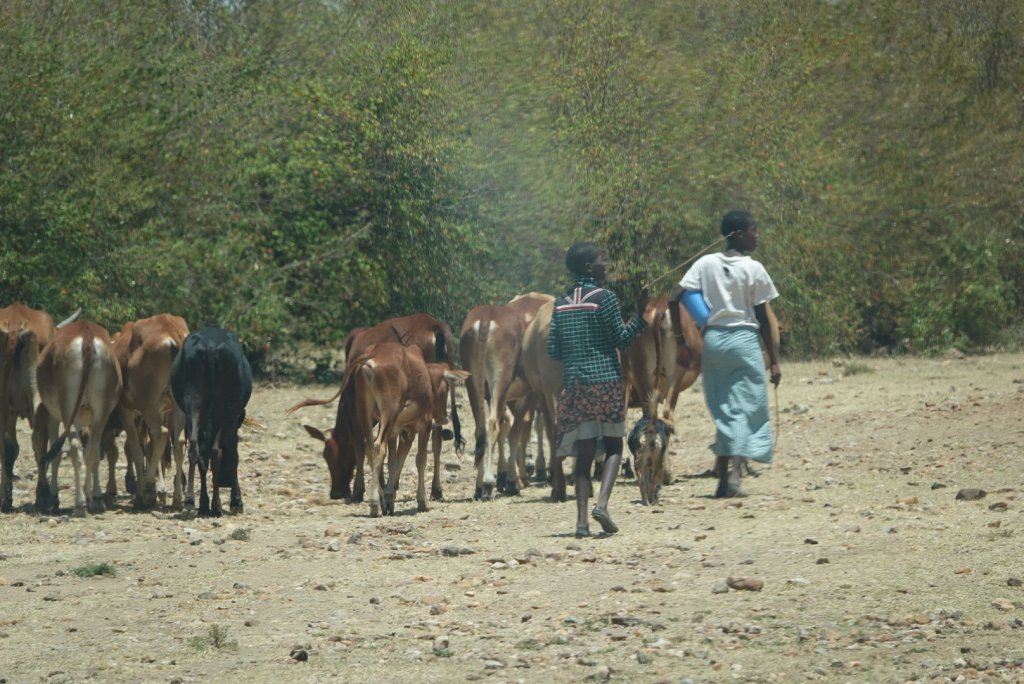
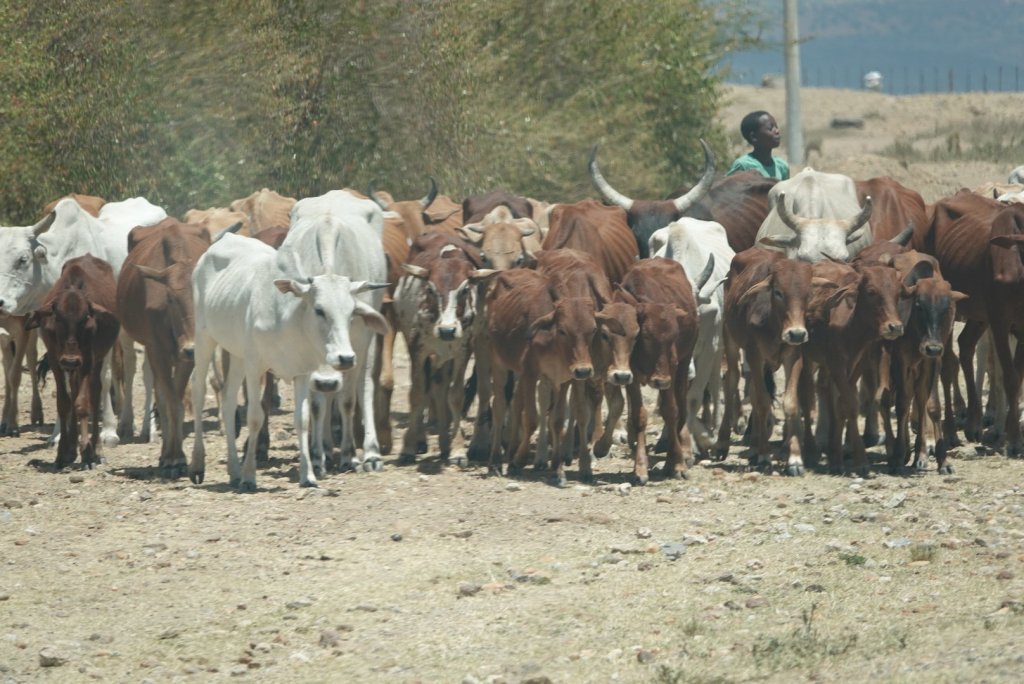
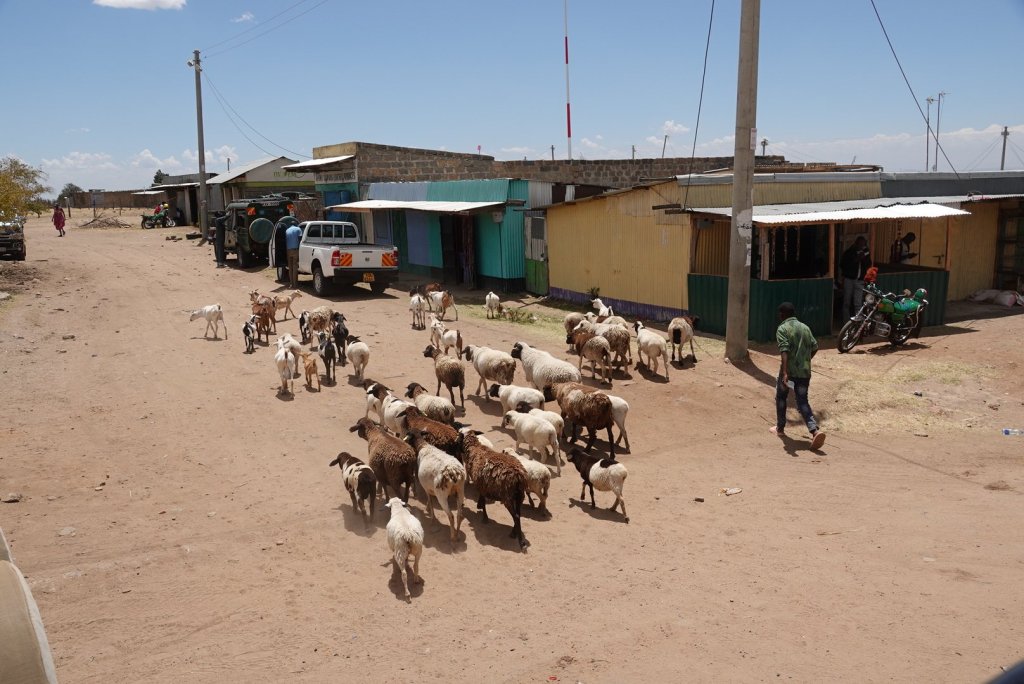
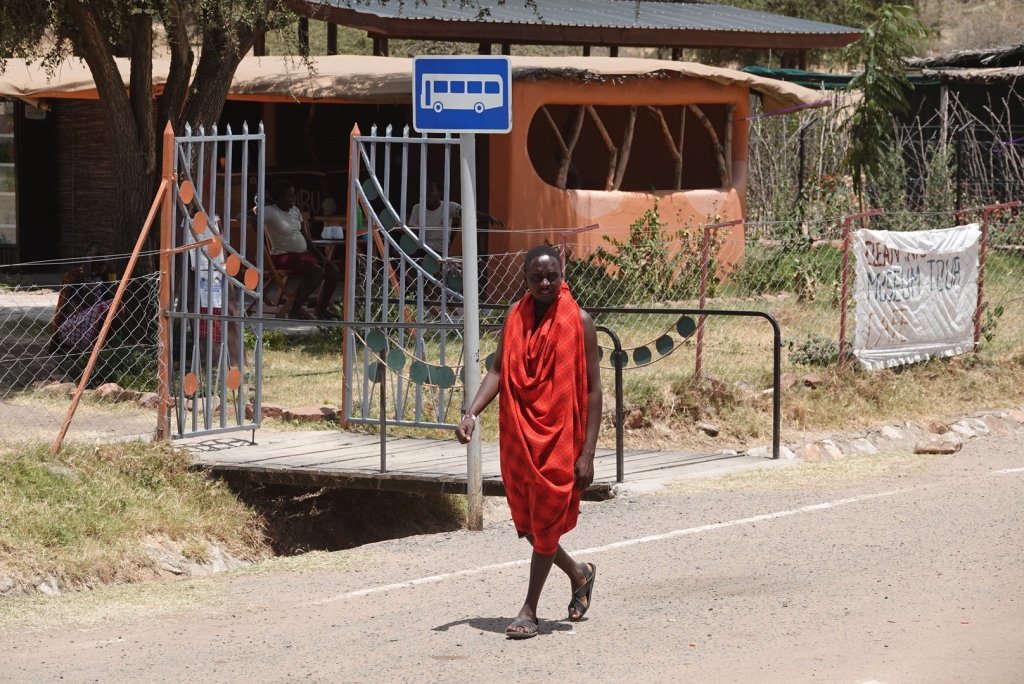
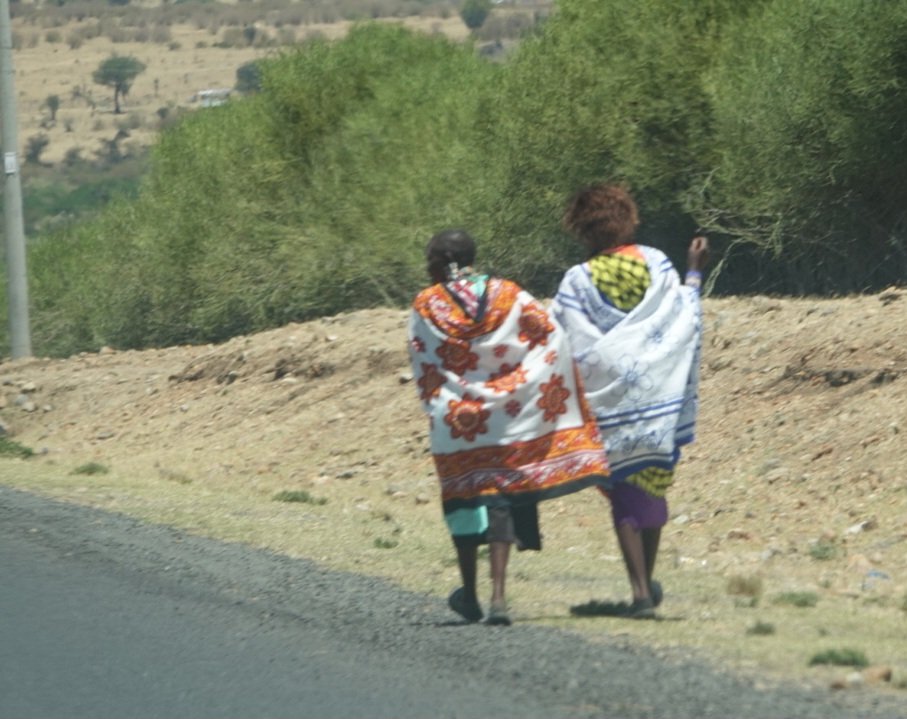
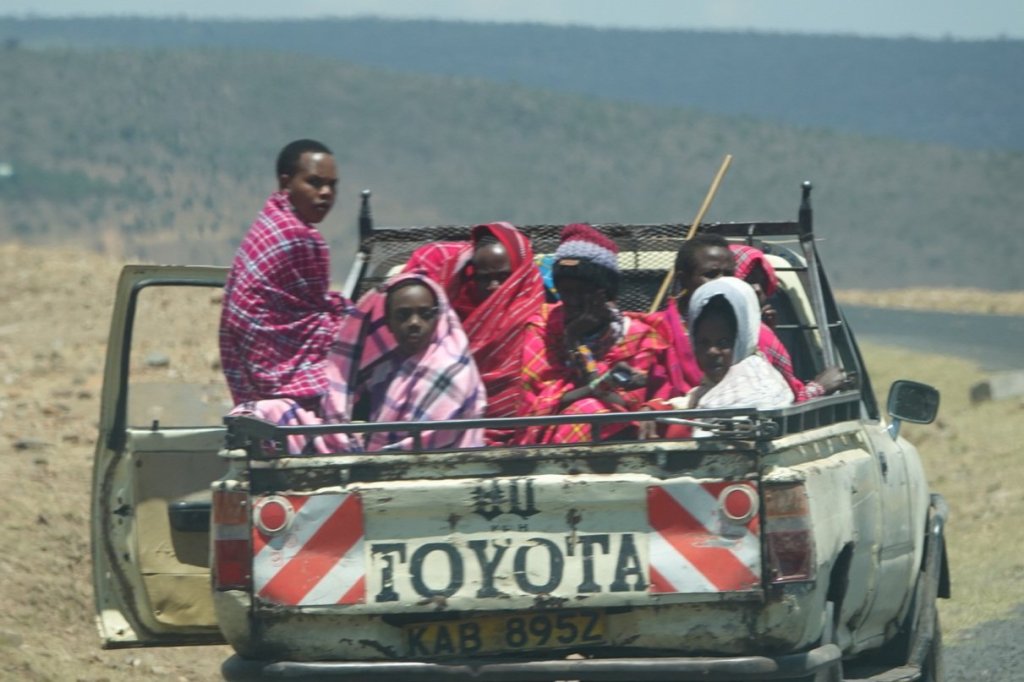
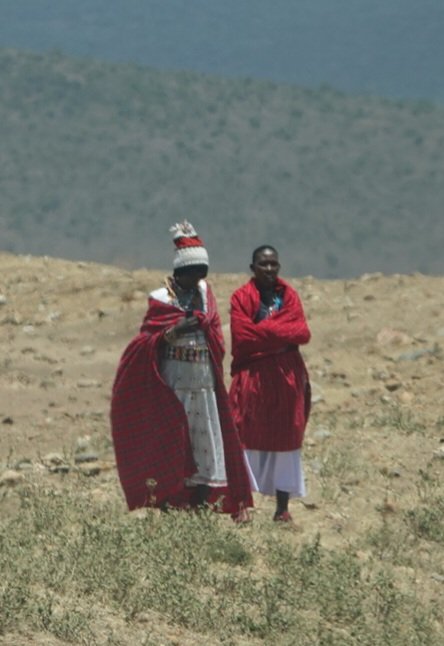
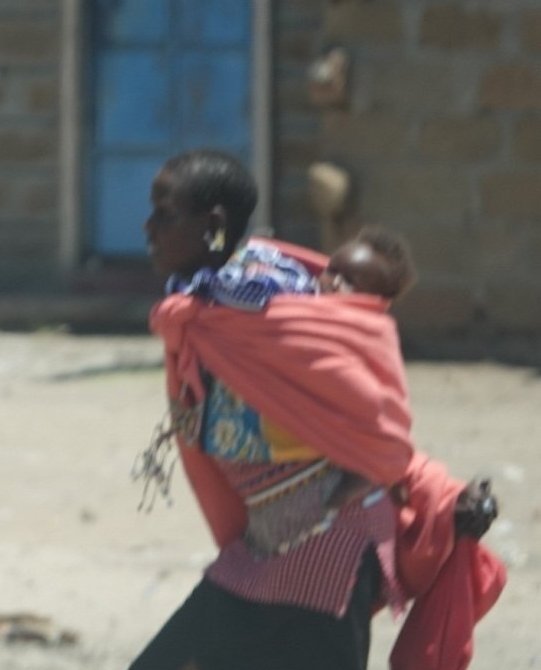
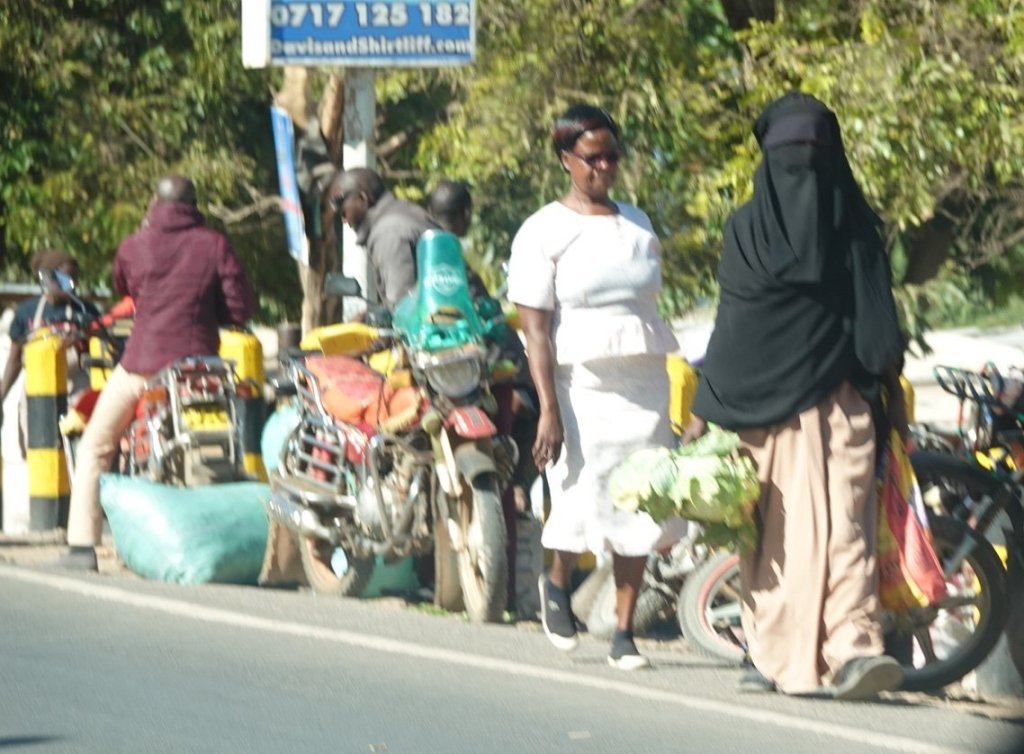
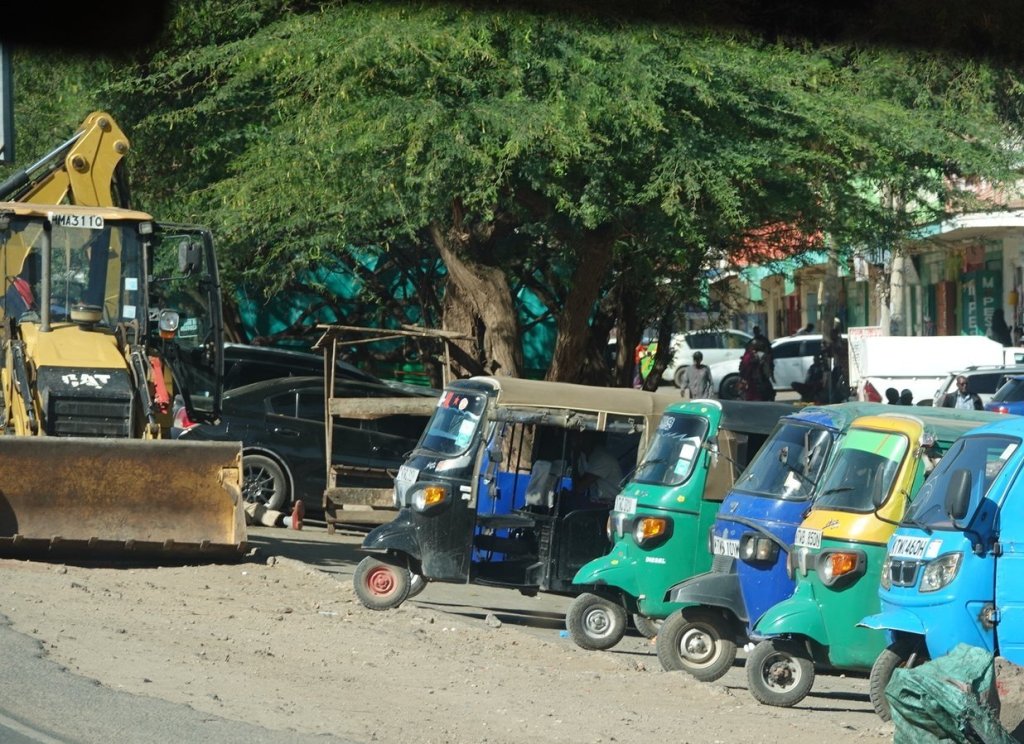
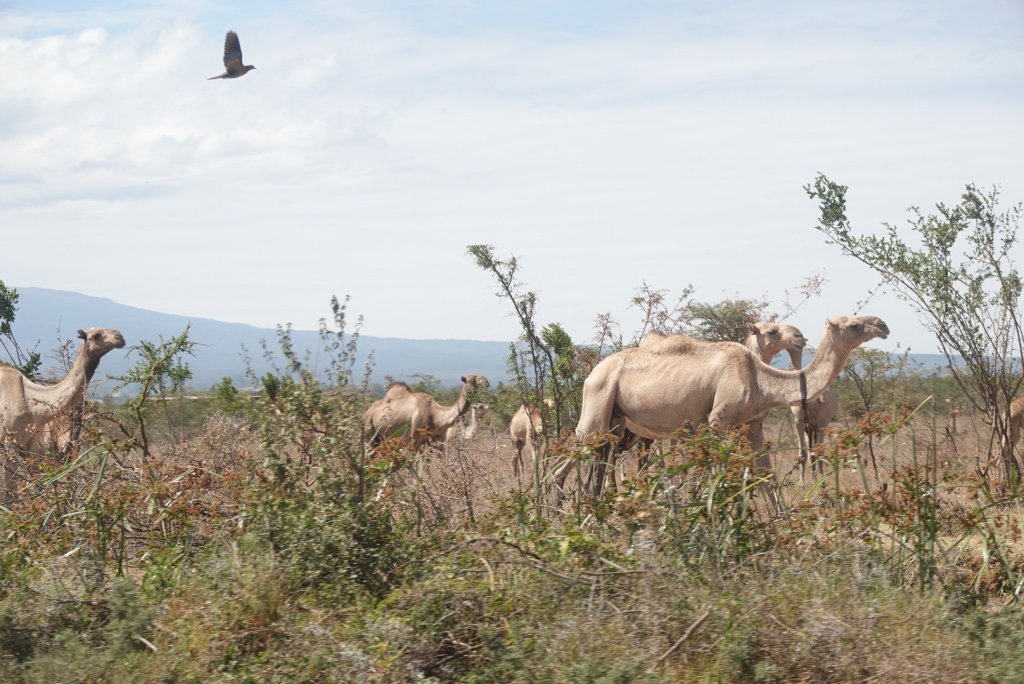
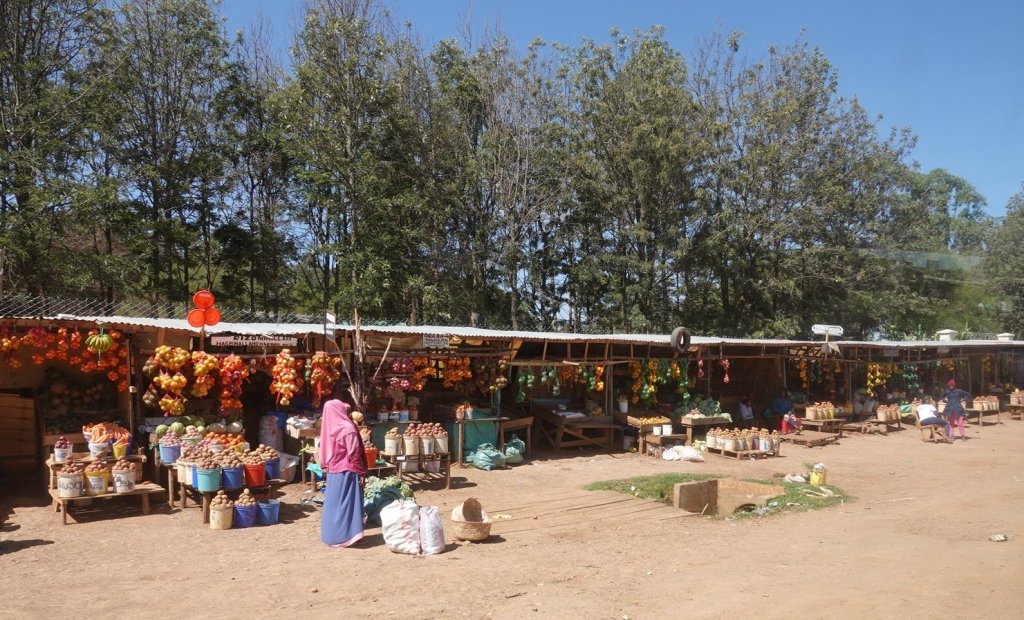
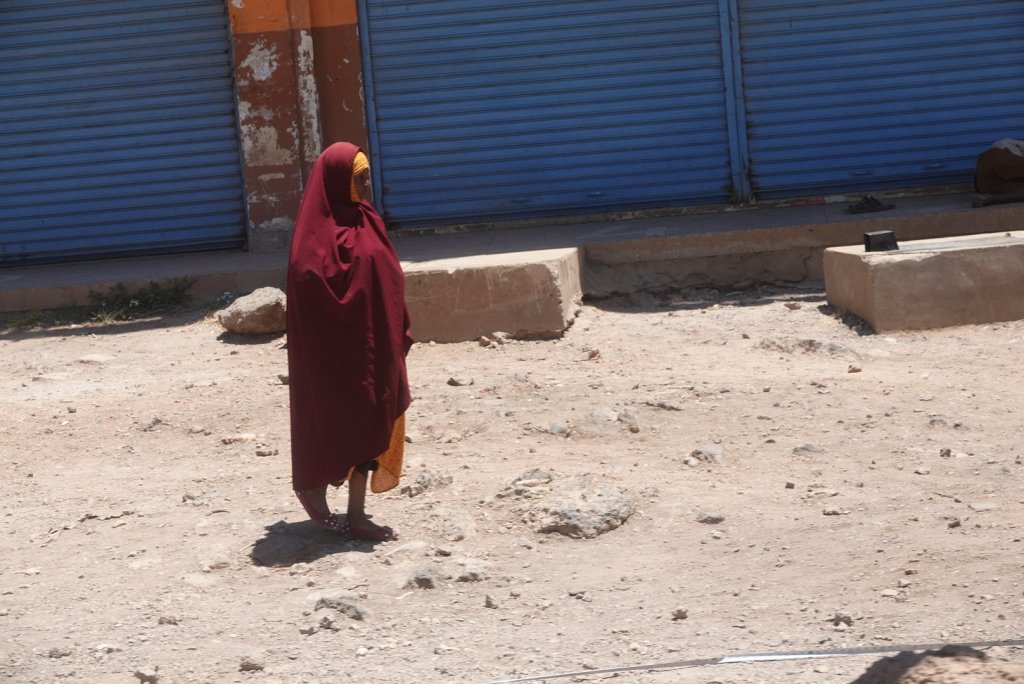
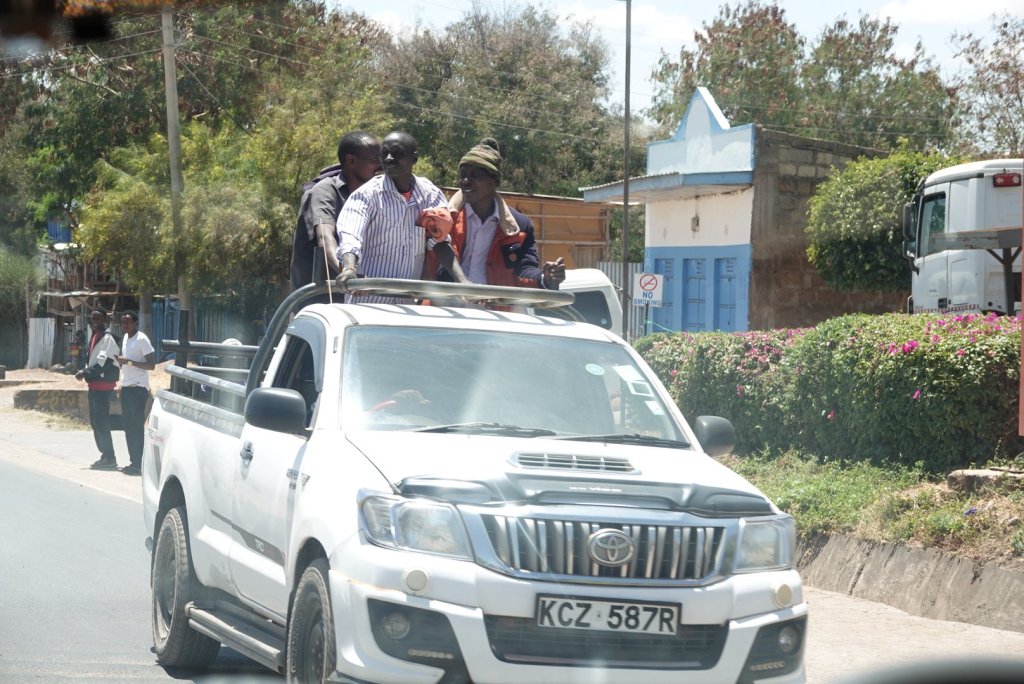
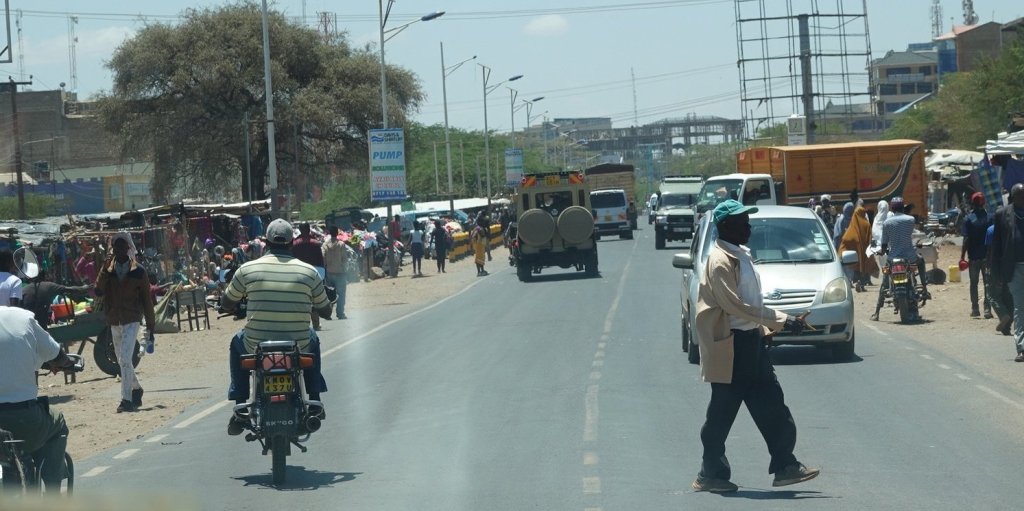
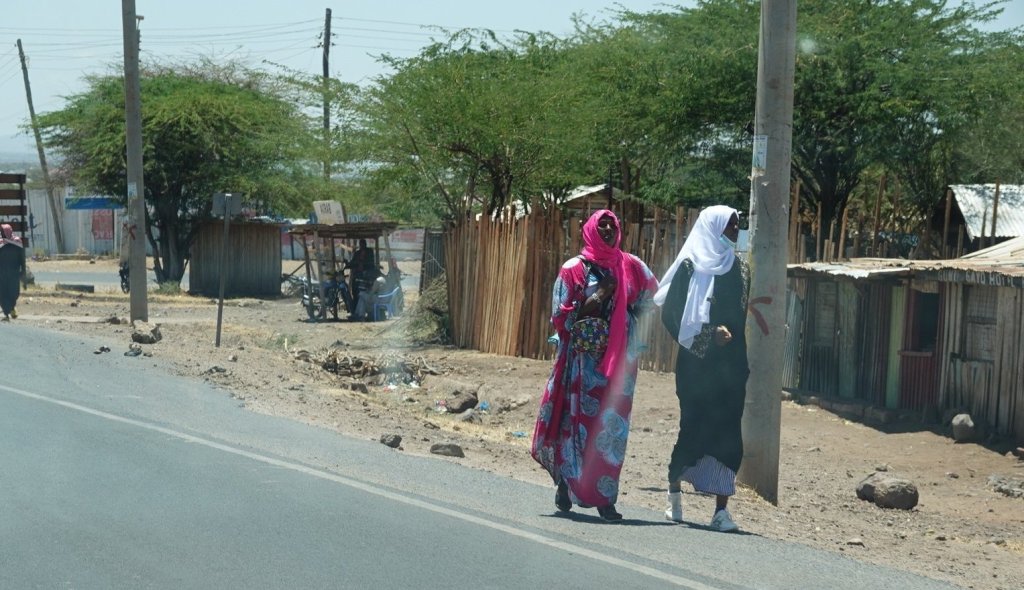
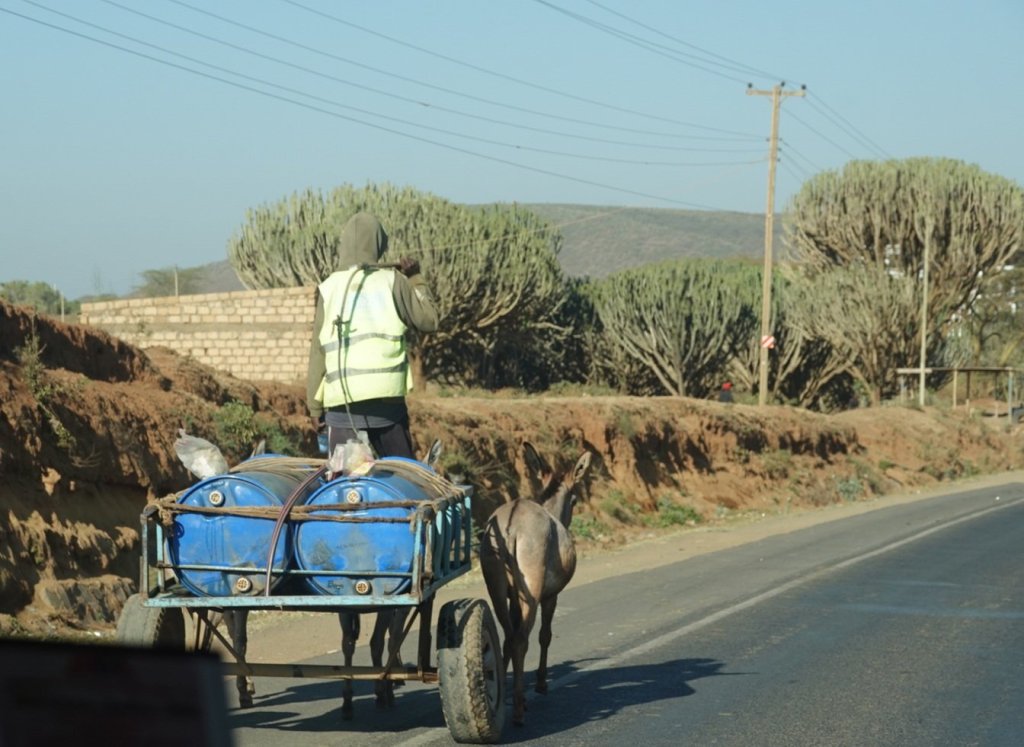
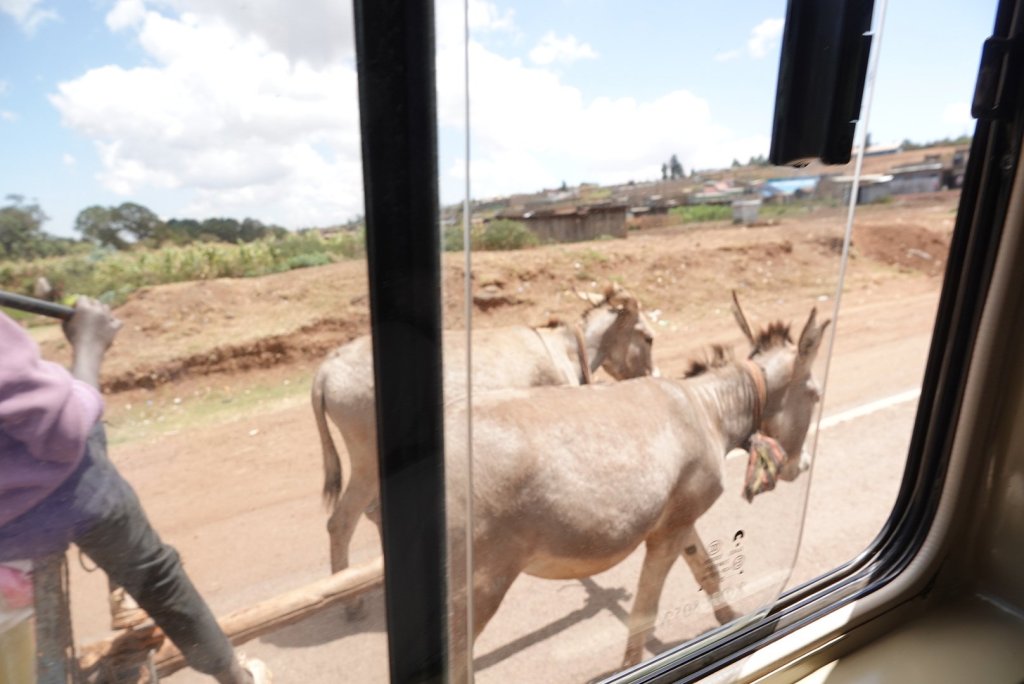
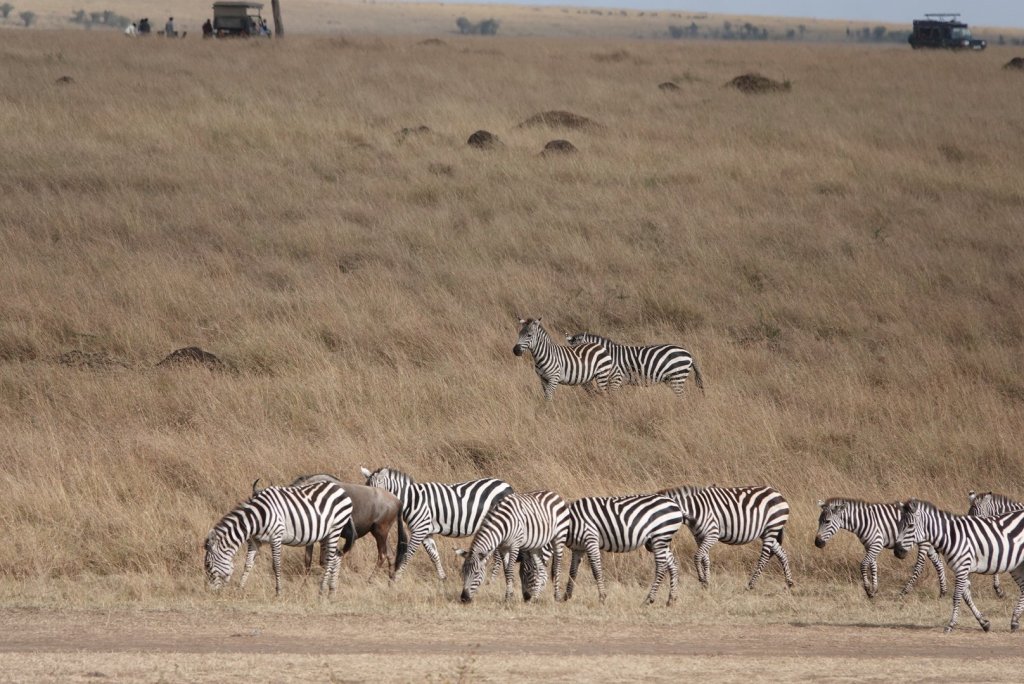
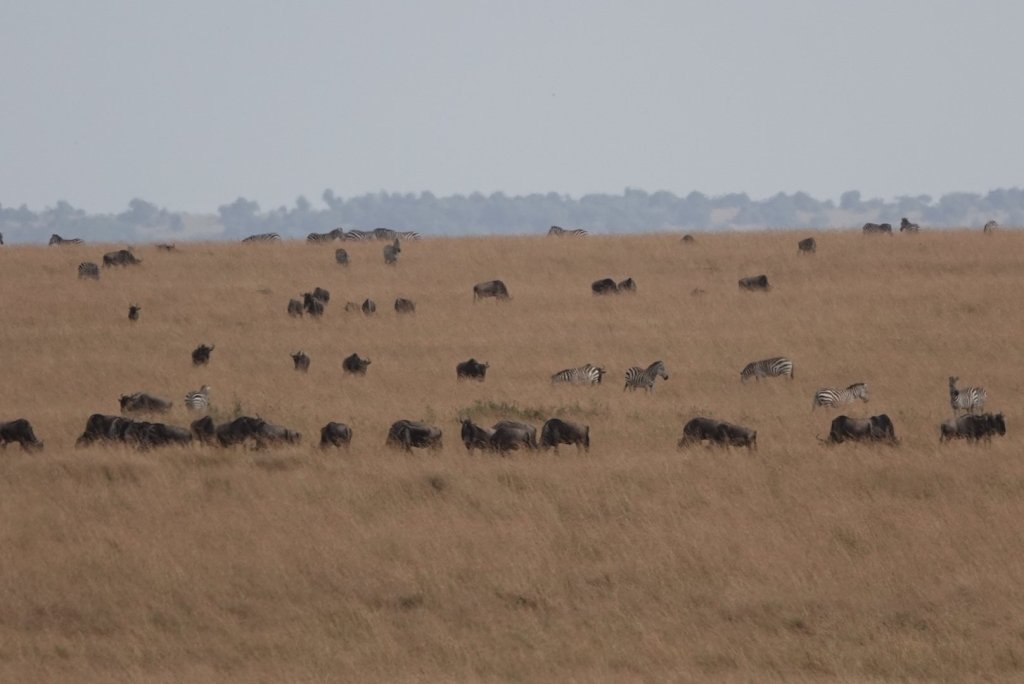
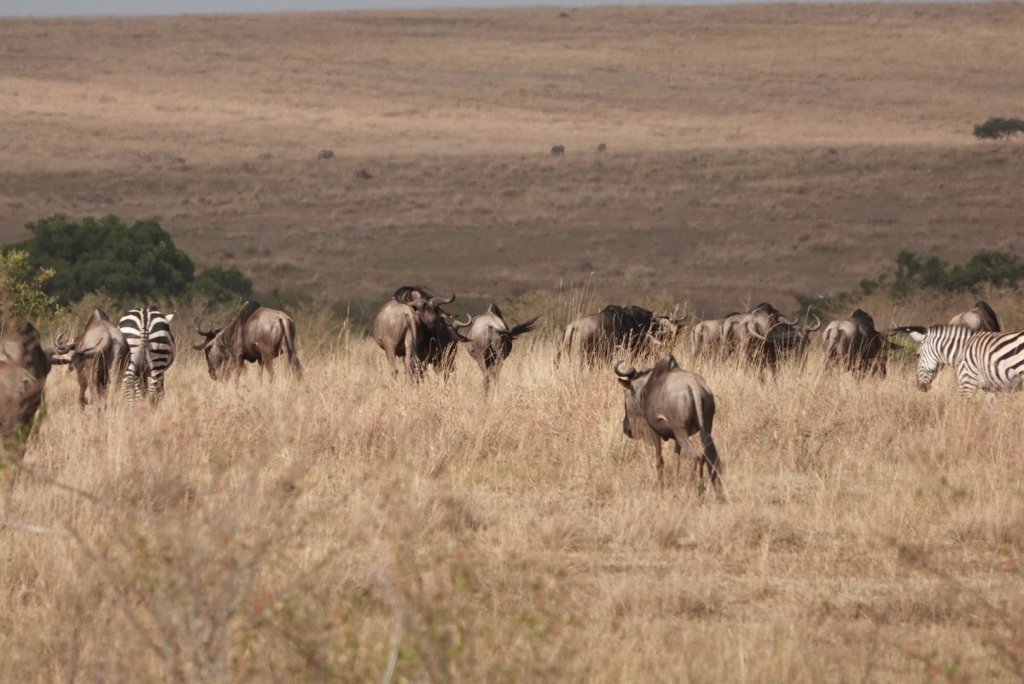
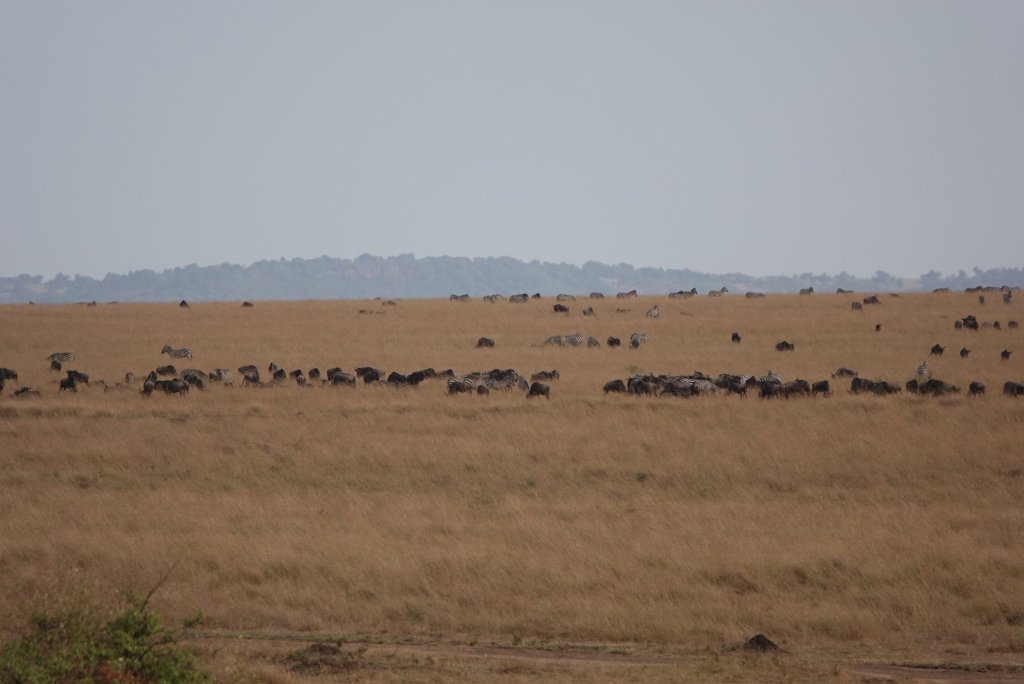
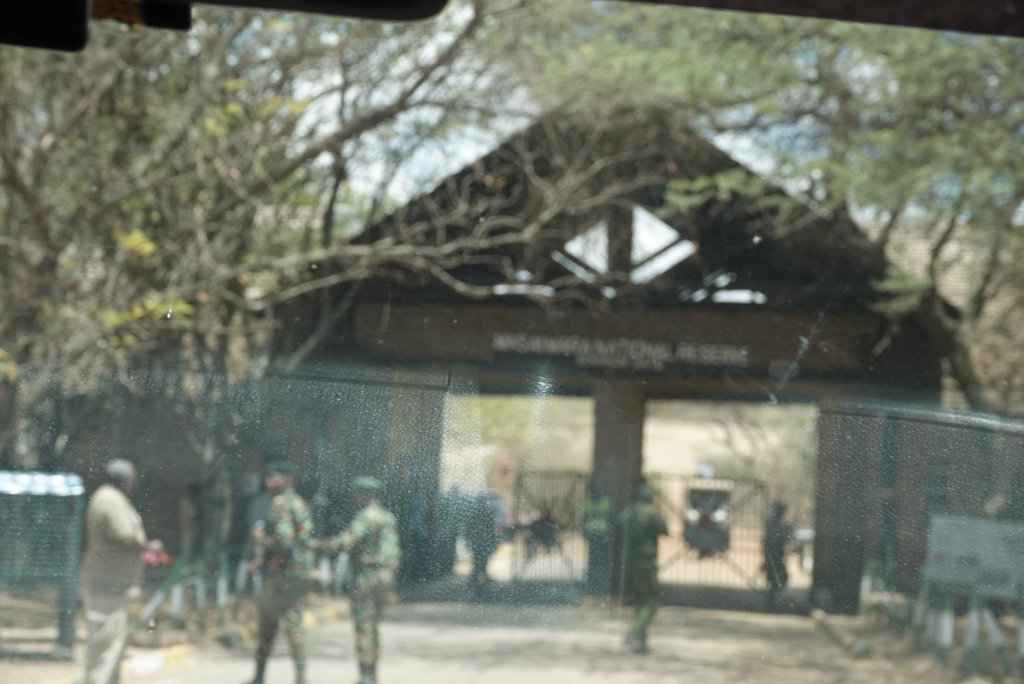
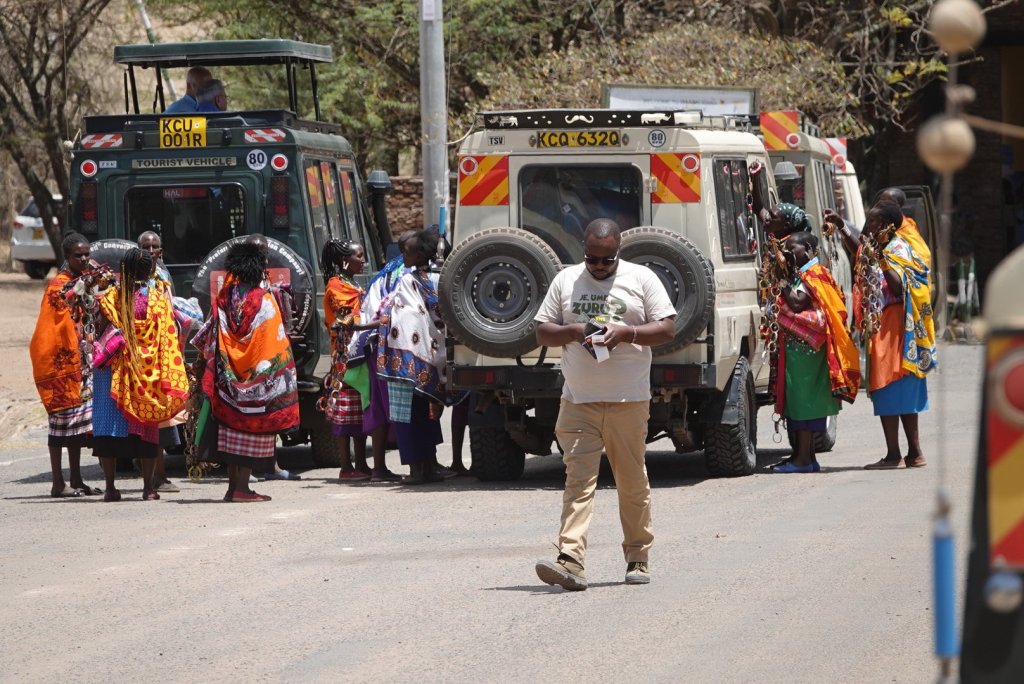
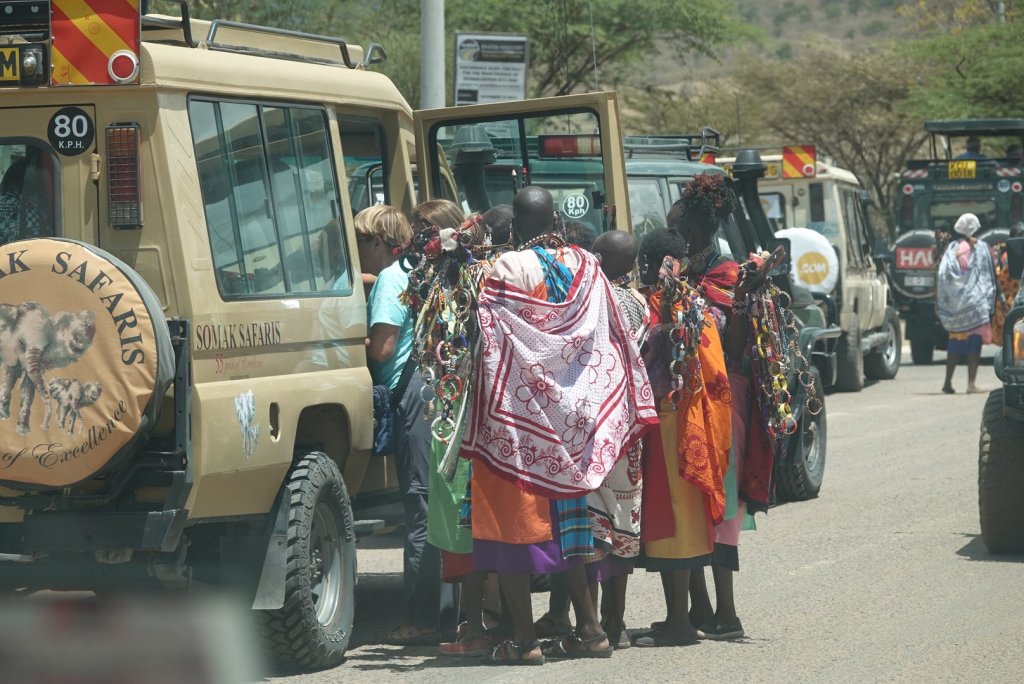
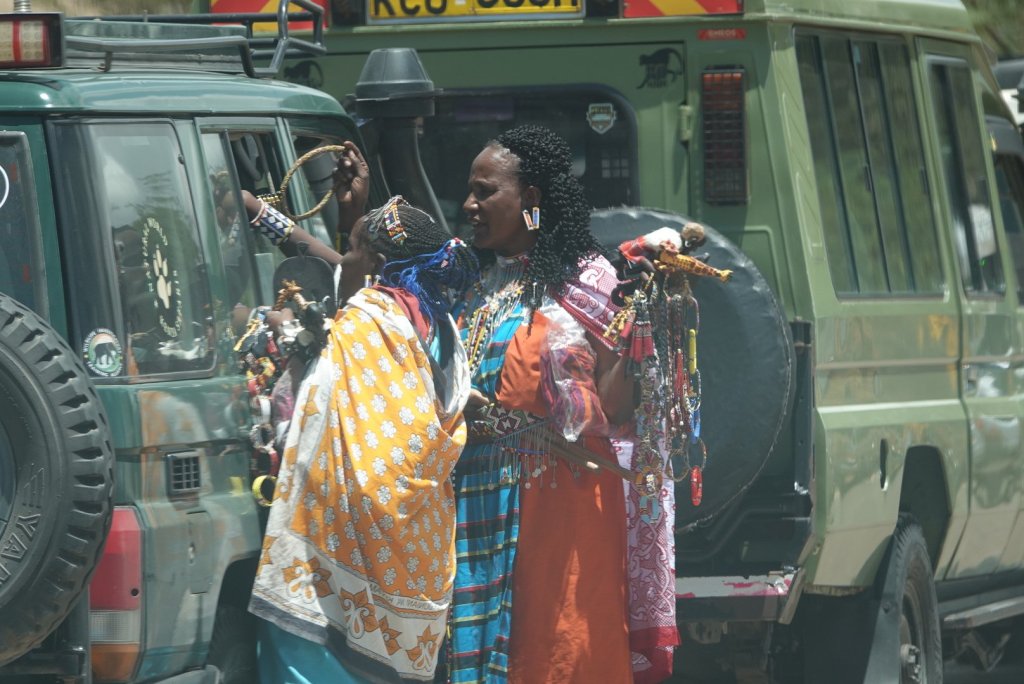
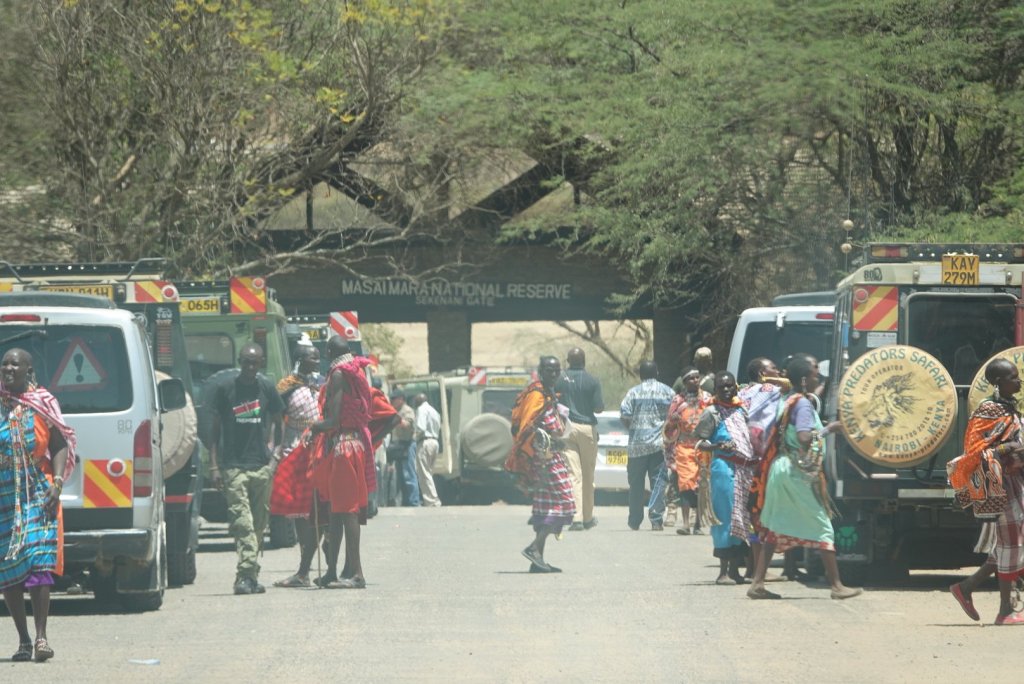
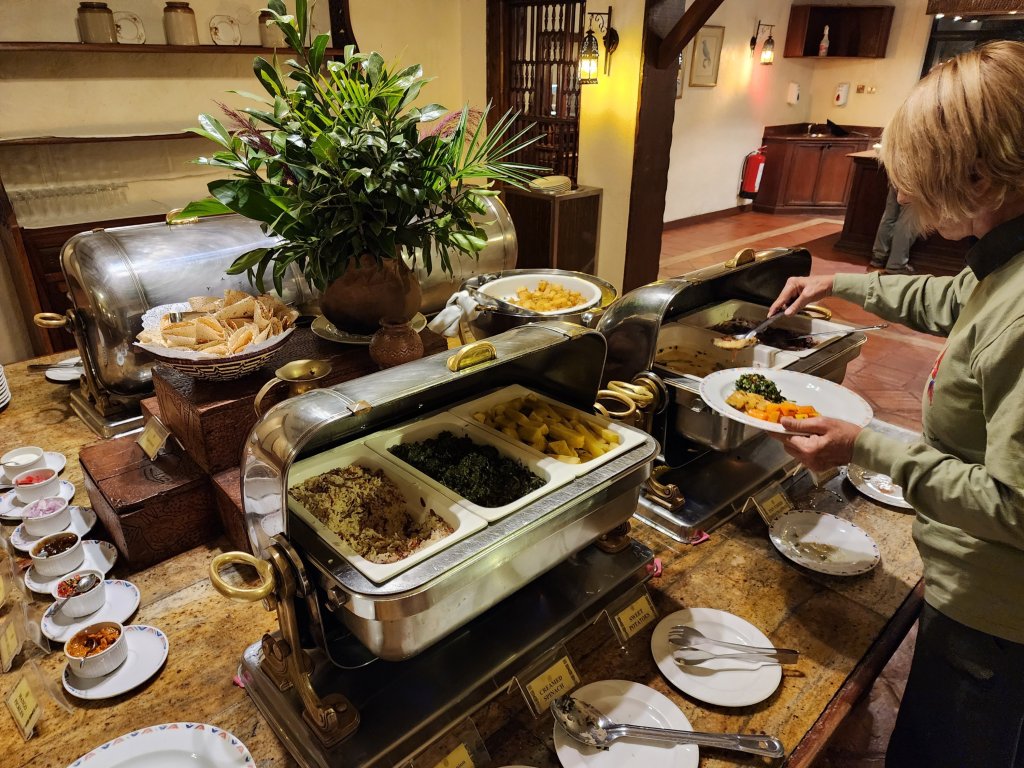
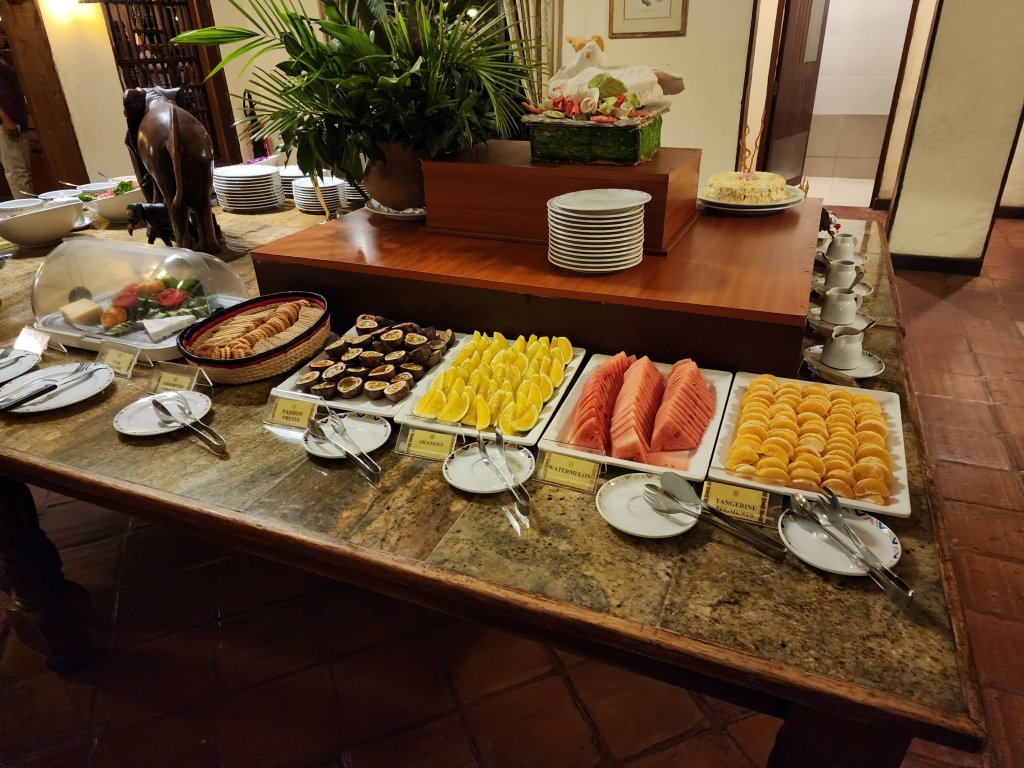
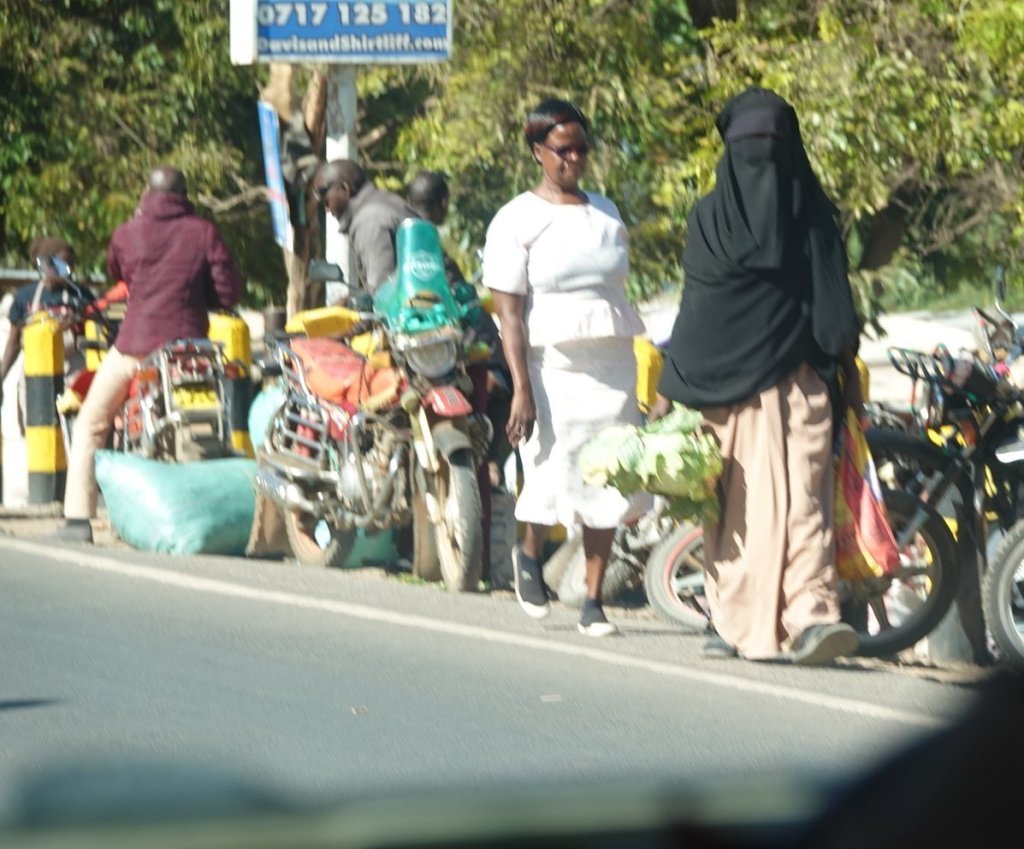
Scenes along the road between the parks are a snippet of African daily life. Our 150 mile drive took over 4 hours, and most were paved 2 lane roads, main highway that runs from the port of Mombasa all aross the country to Nairobi and even to Kampala in Uganda.
Donkey carts used oftenMight even see a John Deere combine
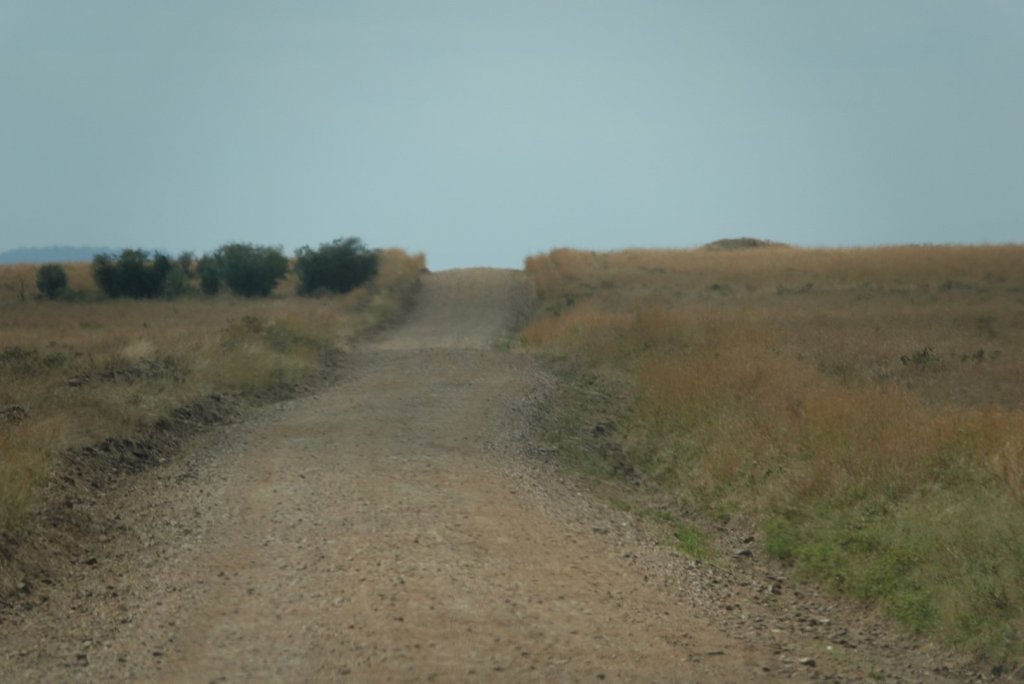
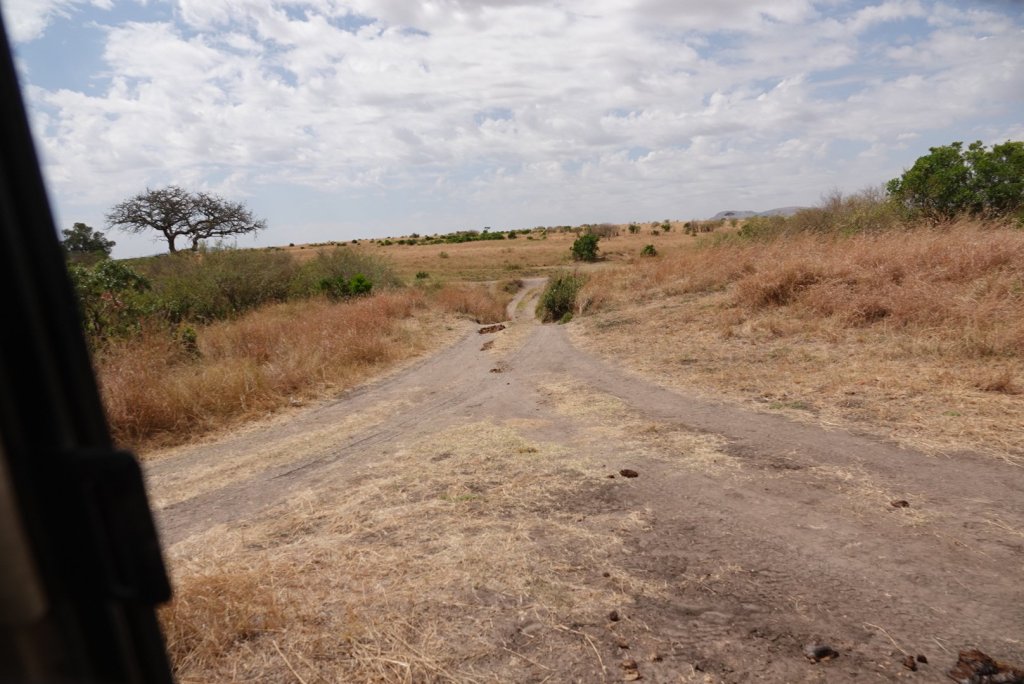
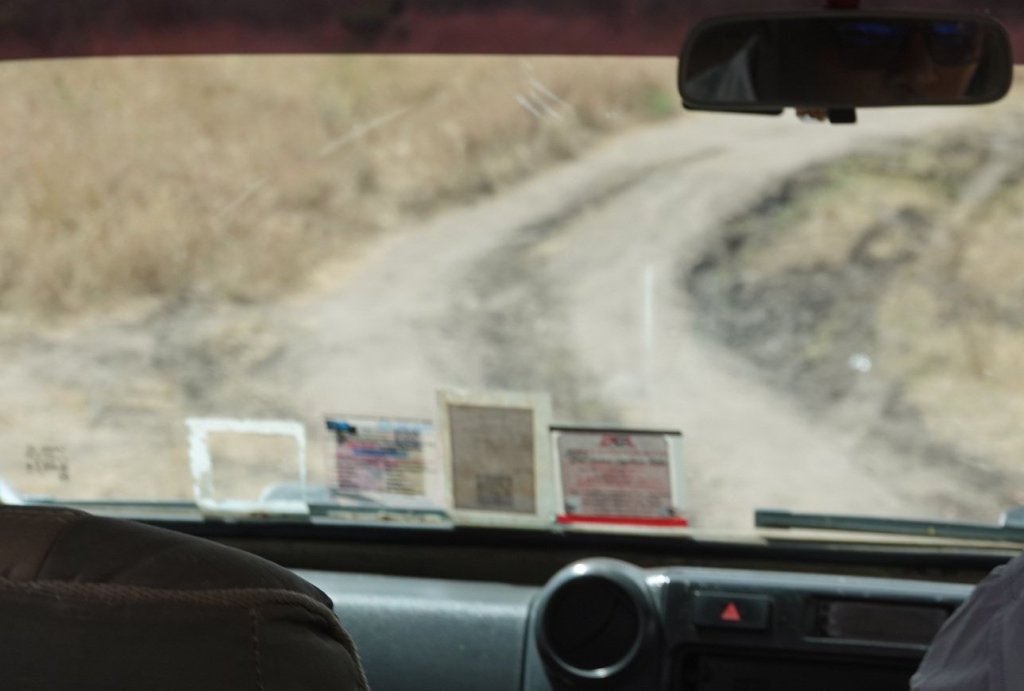
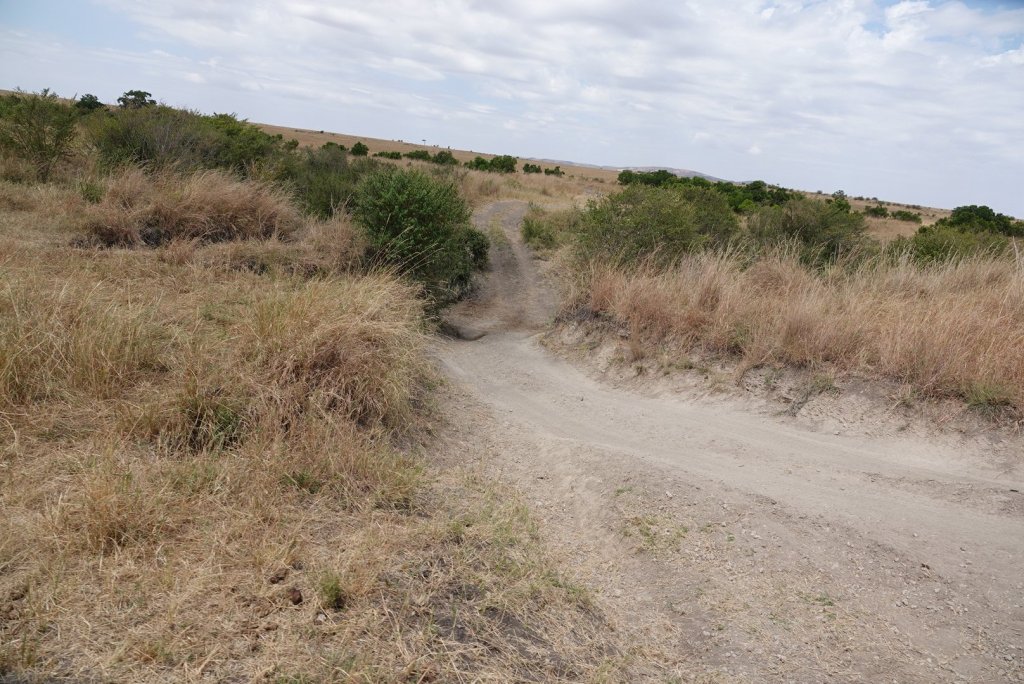
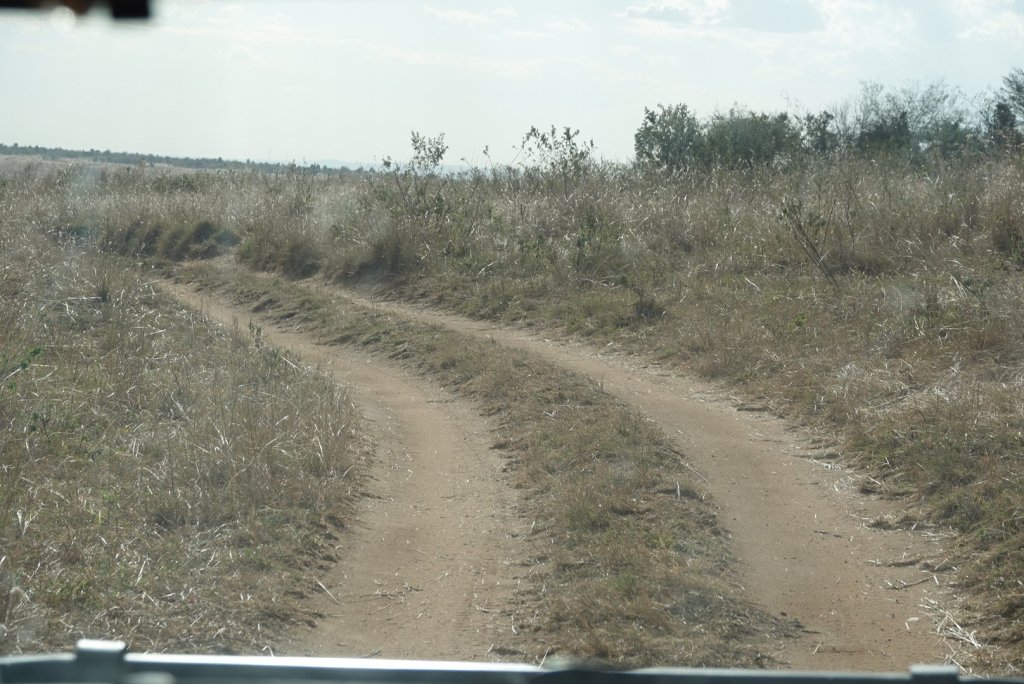
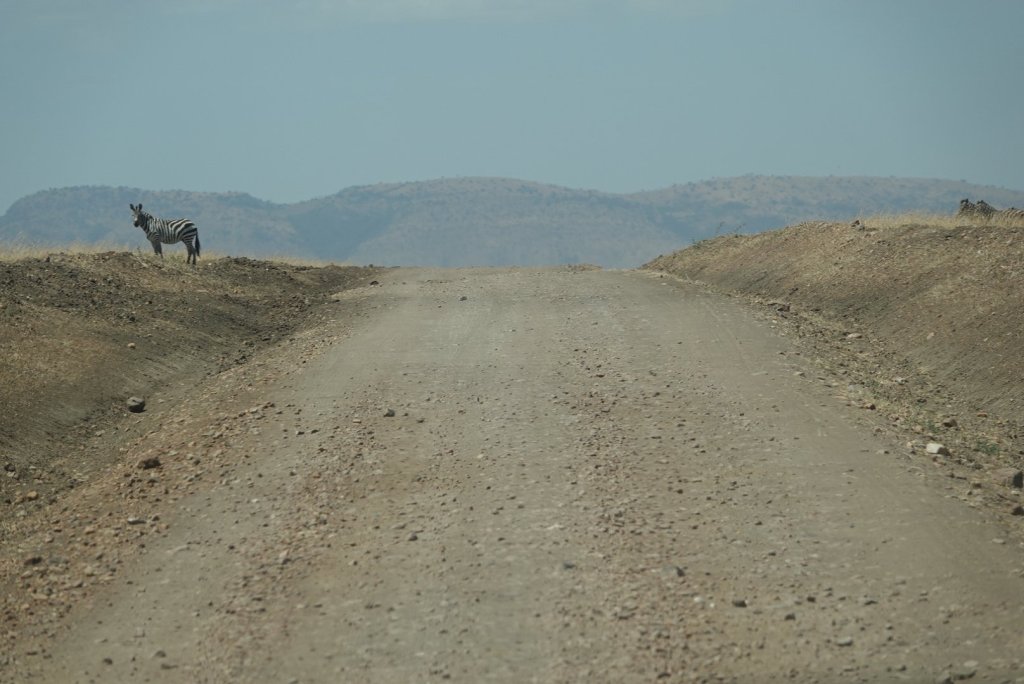
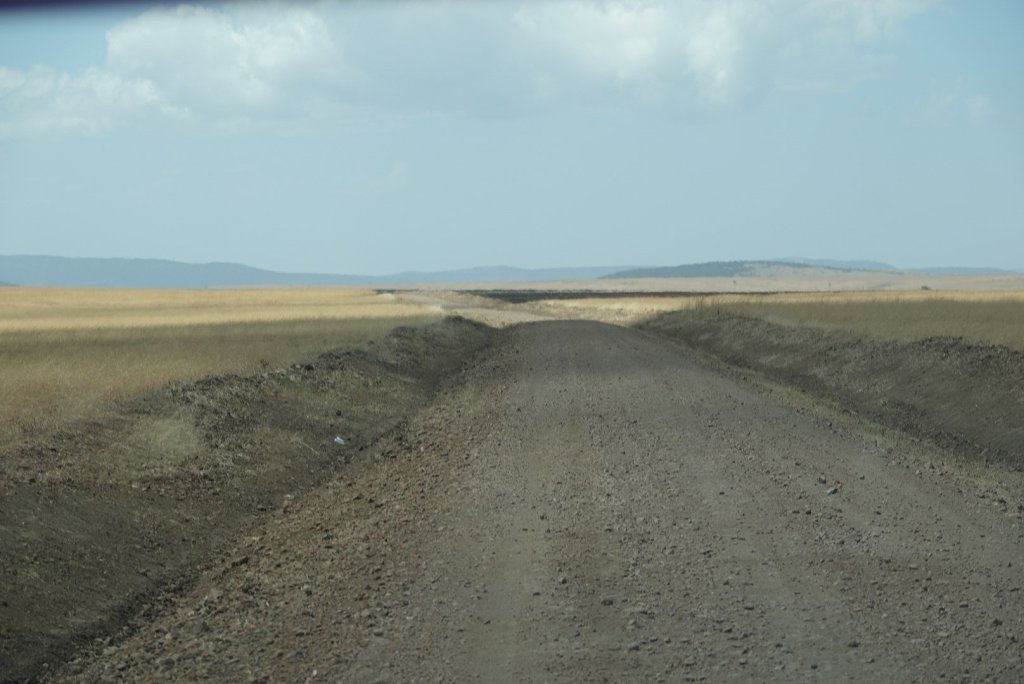
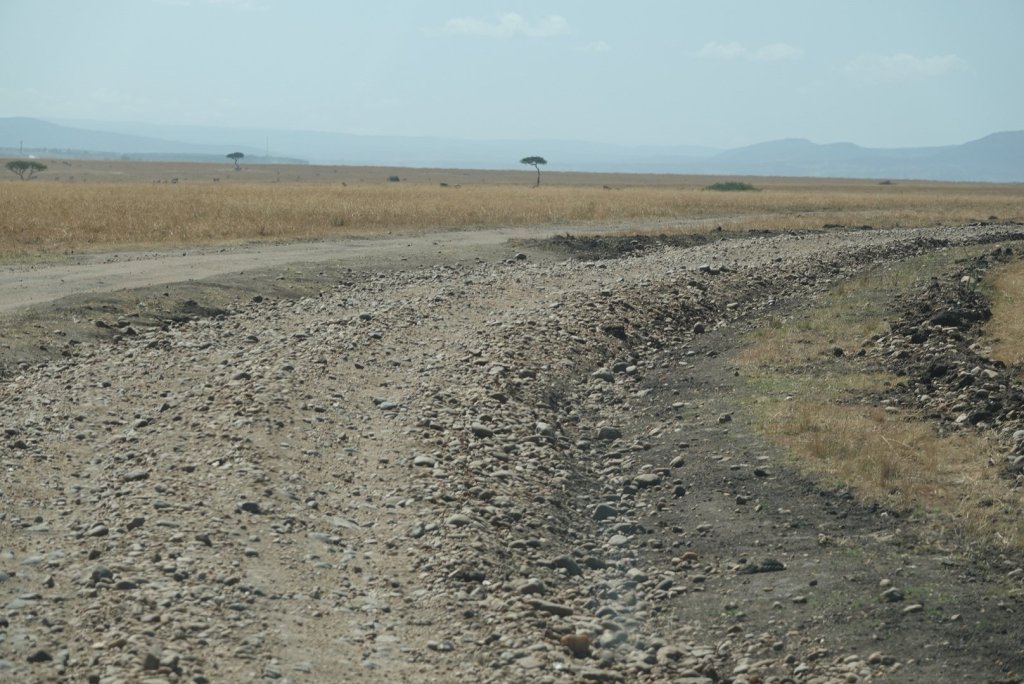
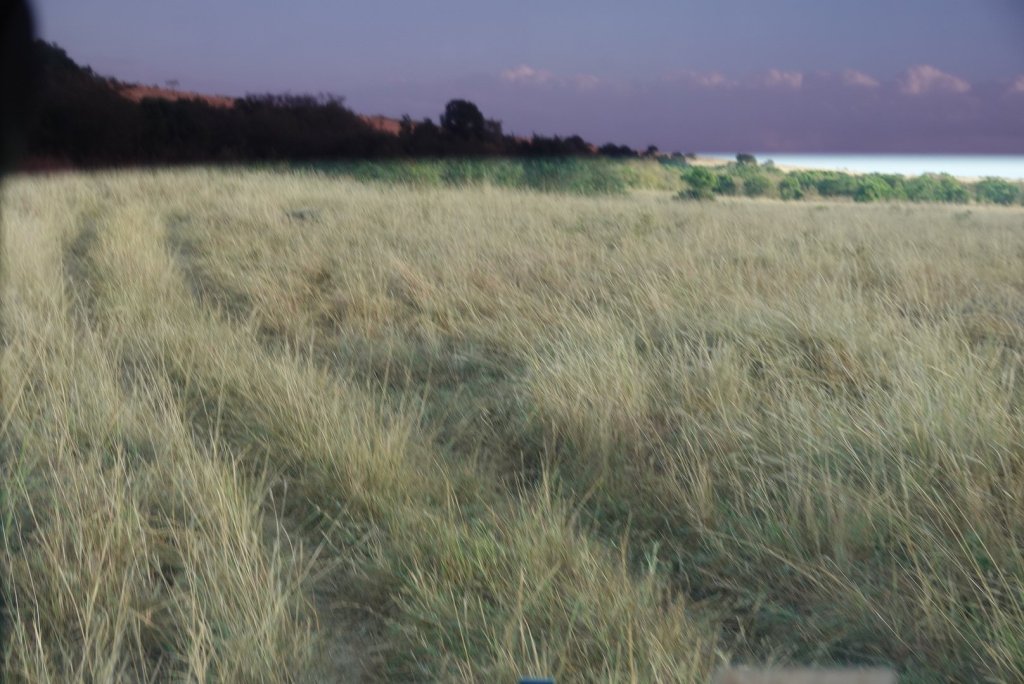
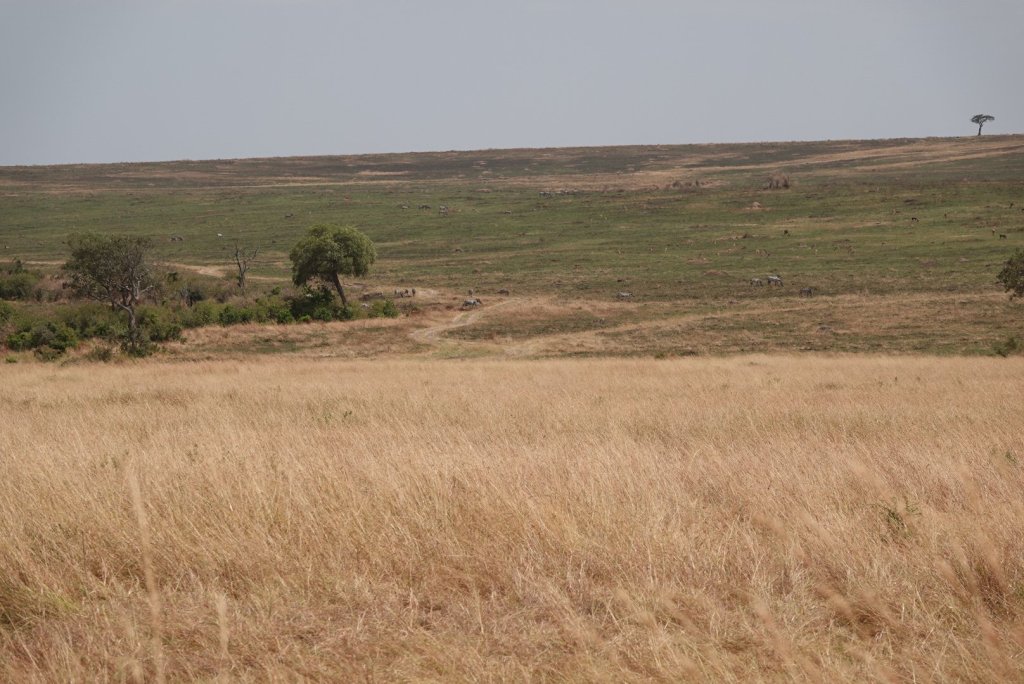
Inside each park, the safari trails vary in width and ruggedness.
Main park roadTo barely pathsWidest oneNew oneThe track leads traveled
This next week is the heart of the great migration, the 7th wonder of the natural world! 1.5 million wildebeest and Zebra travel from the south of the Serengeti in Tanzania up into Kenya following the green grasses. they cover an area of 6200 sq mi.
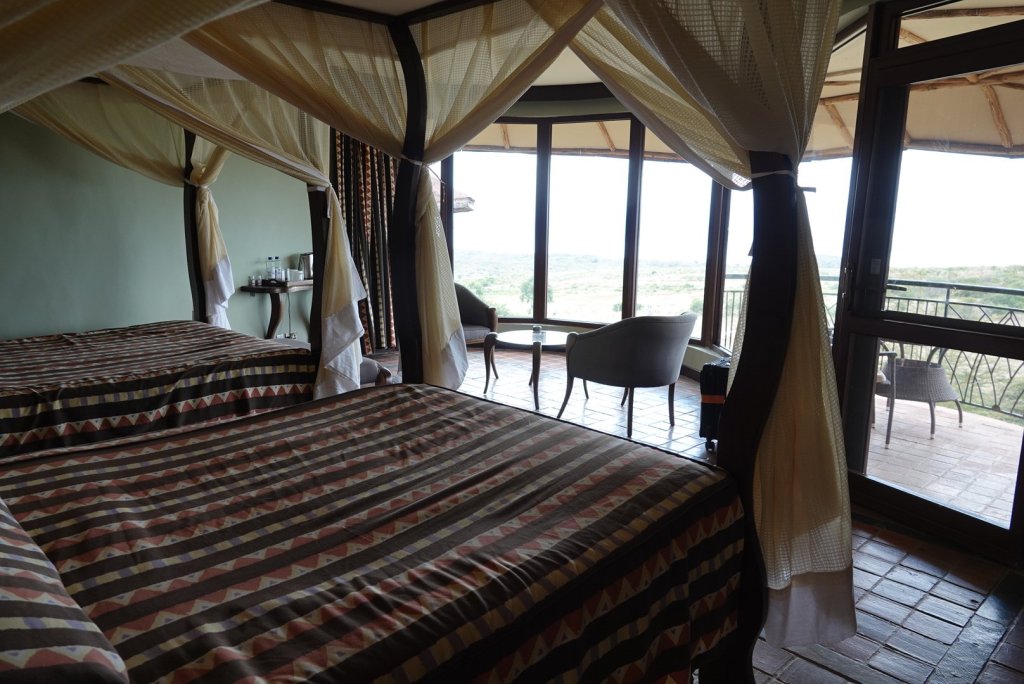
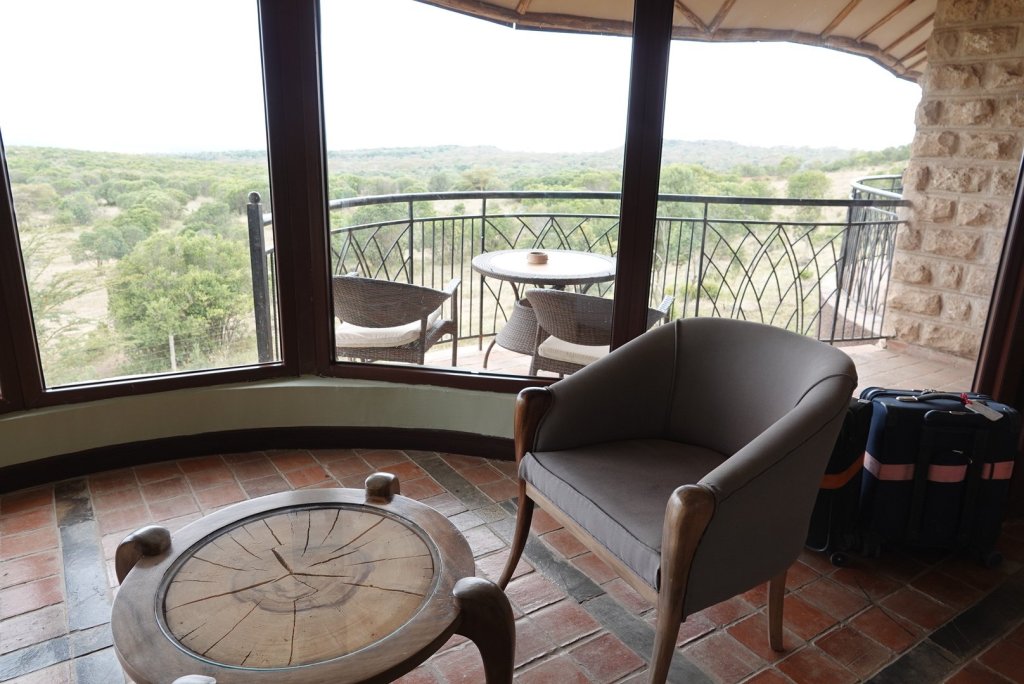
We arrived yesterday to our lodge, the oldest in the Mara, the Keekorok Lodge. We already had a game drive on our way into the park. Animals roam the grounds, mostly Zebra, but there are hippos in the local pond. We are escorted at night to protect us.
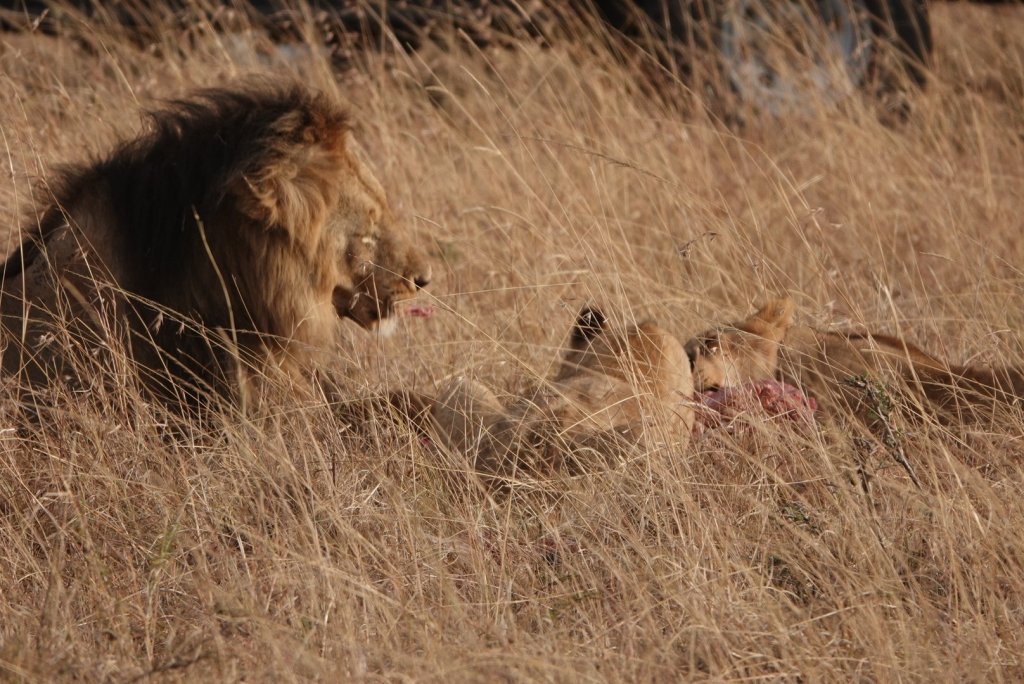
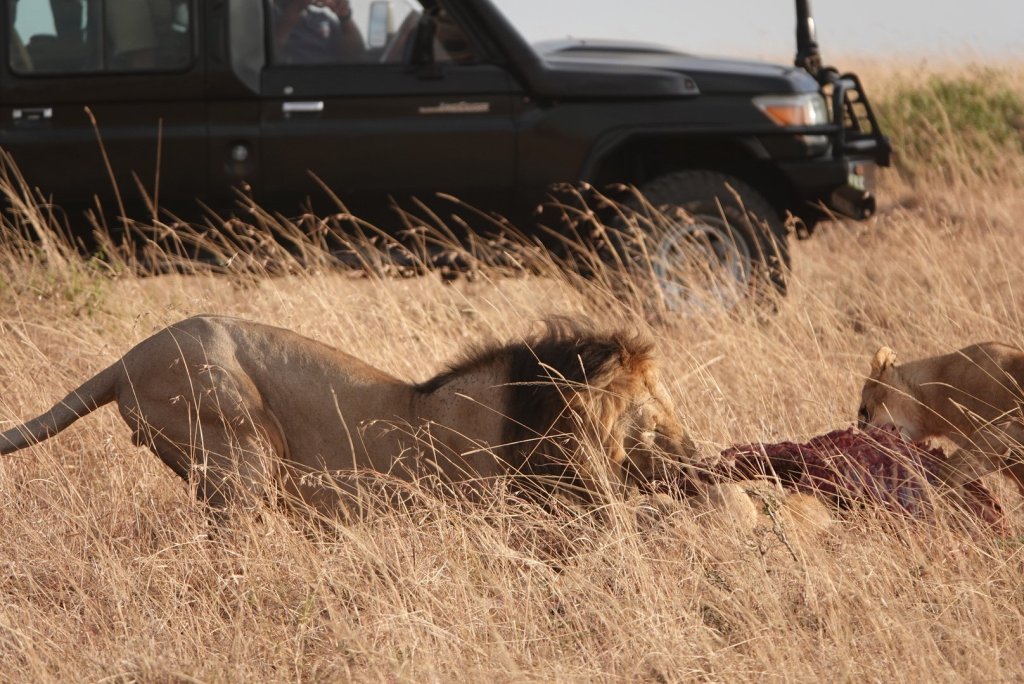
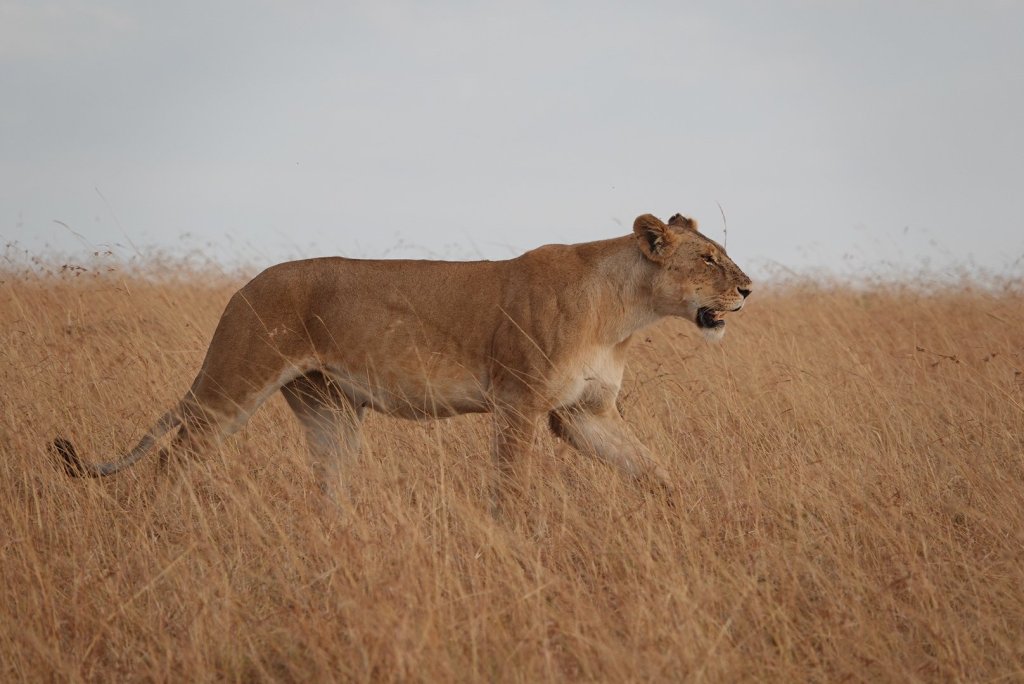
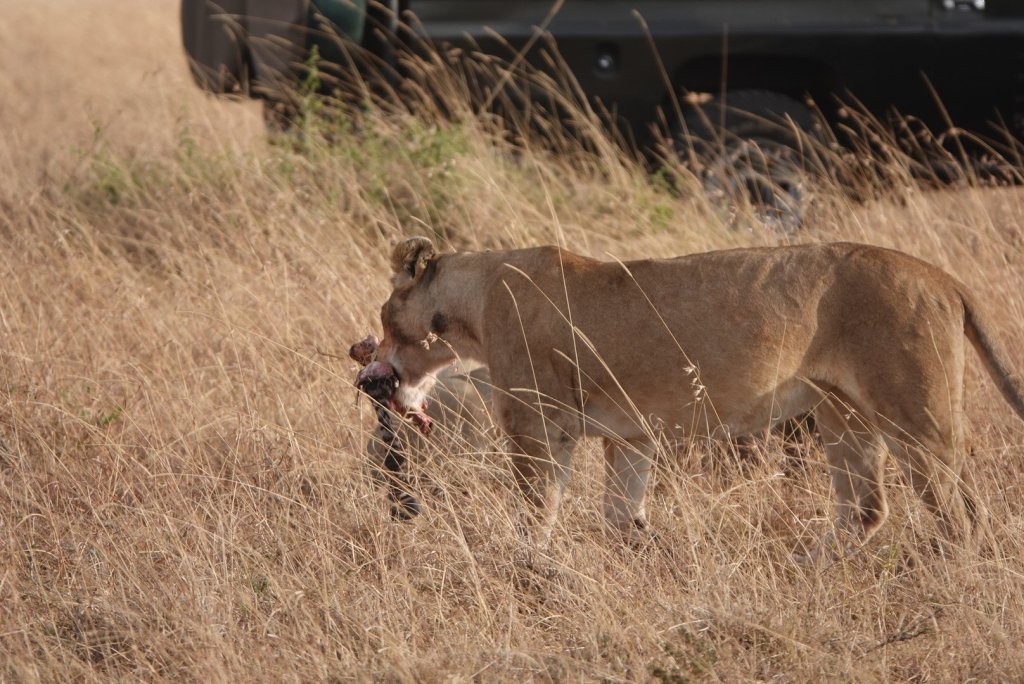
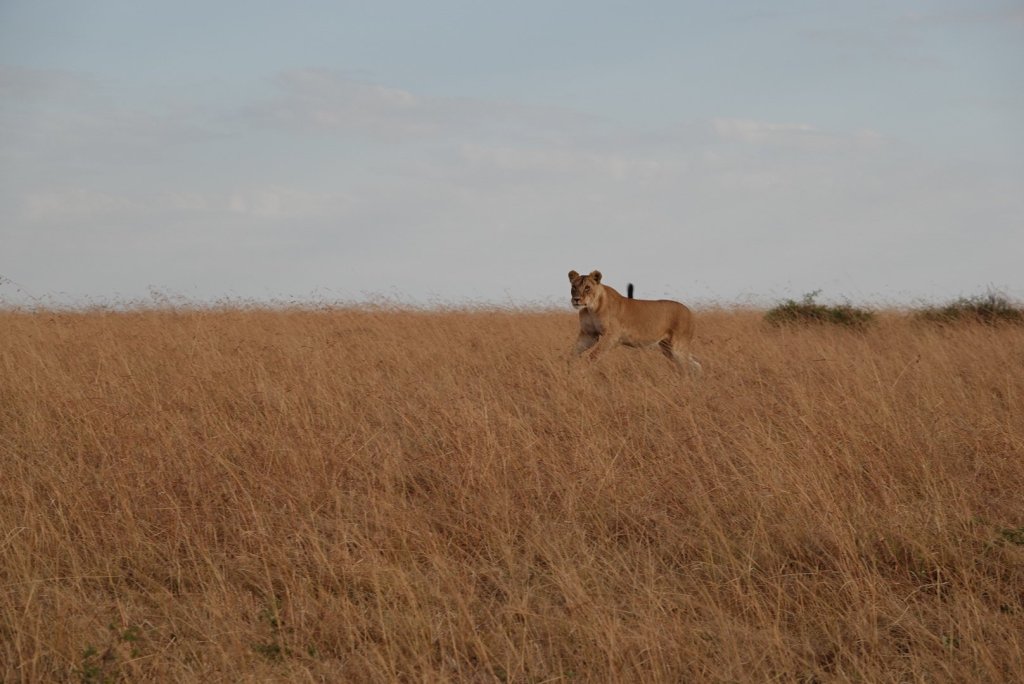
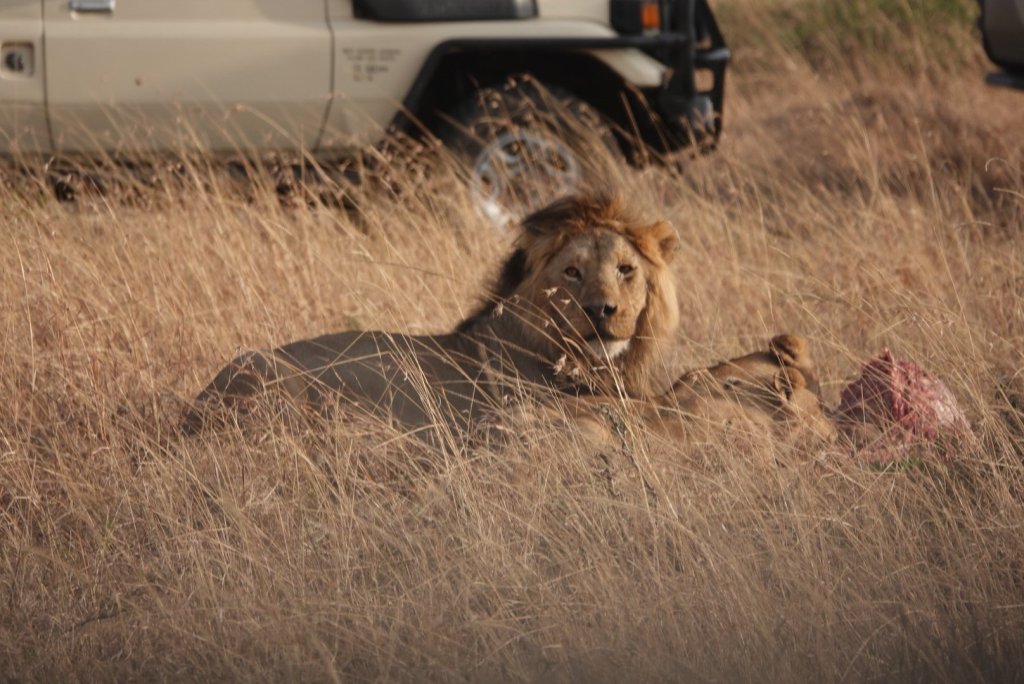
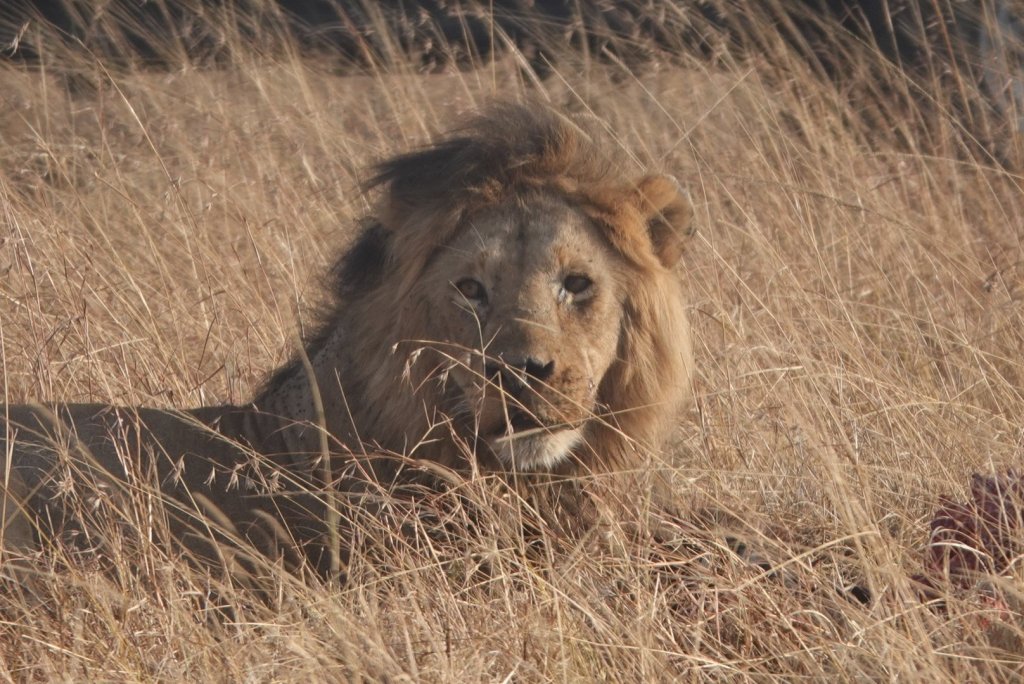
The mara is a haven for the lions following the great migration of wildebeest and Zebra as well as several species of antelop. We were fortunate our guide was able to situate us for some spectacular photos of this lion pride enjoying the nights kill.
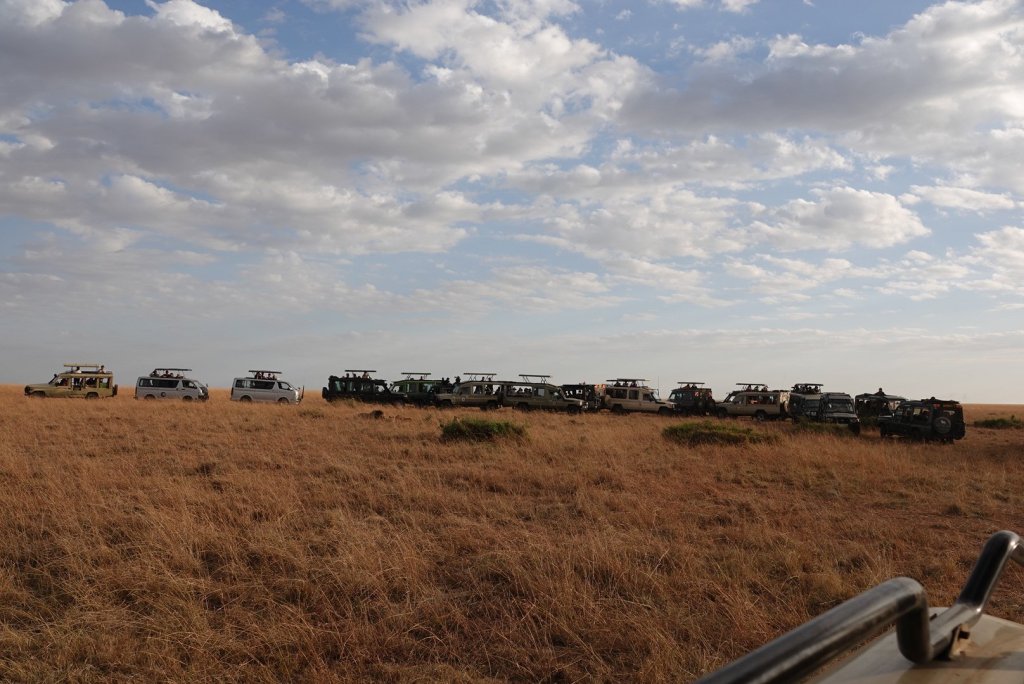
There were over 40 vehicles that arrived during our few minutes viewing the kill.
Antony kept us on the road, as going offroad disturbs the animals, especially as they are eating a kill like this 1. it is prohibited, and most those vehicles could be cited. We were also in the best position for photography!
Just some of the vehicles. The lions are just left of center
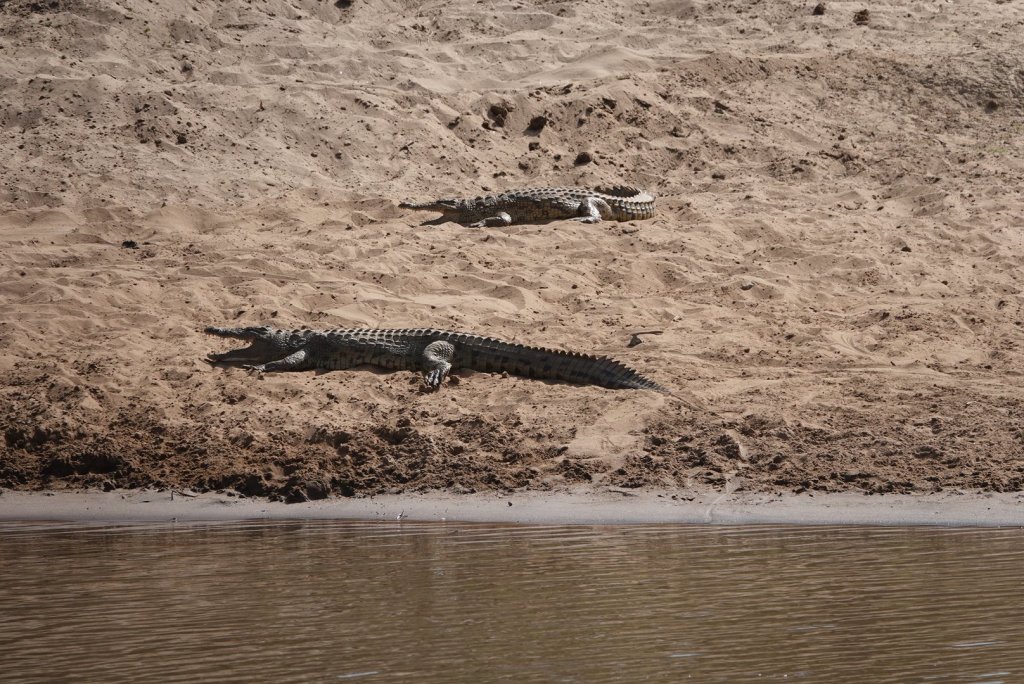
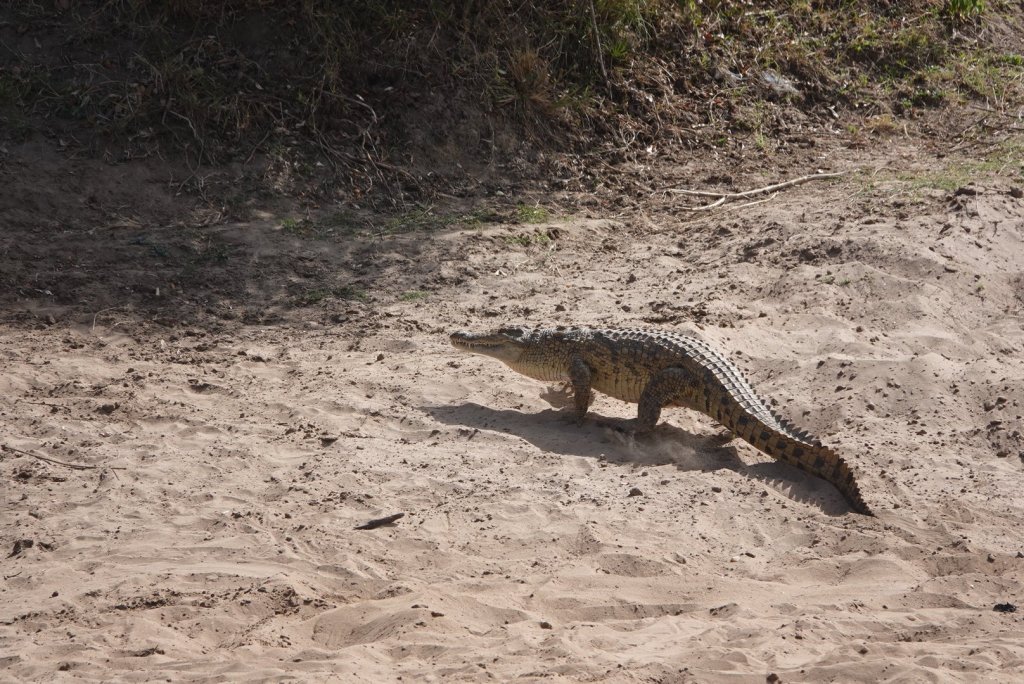
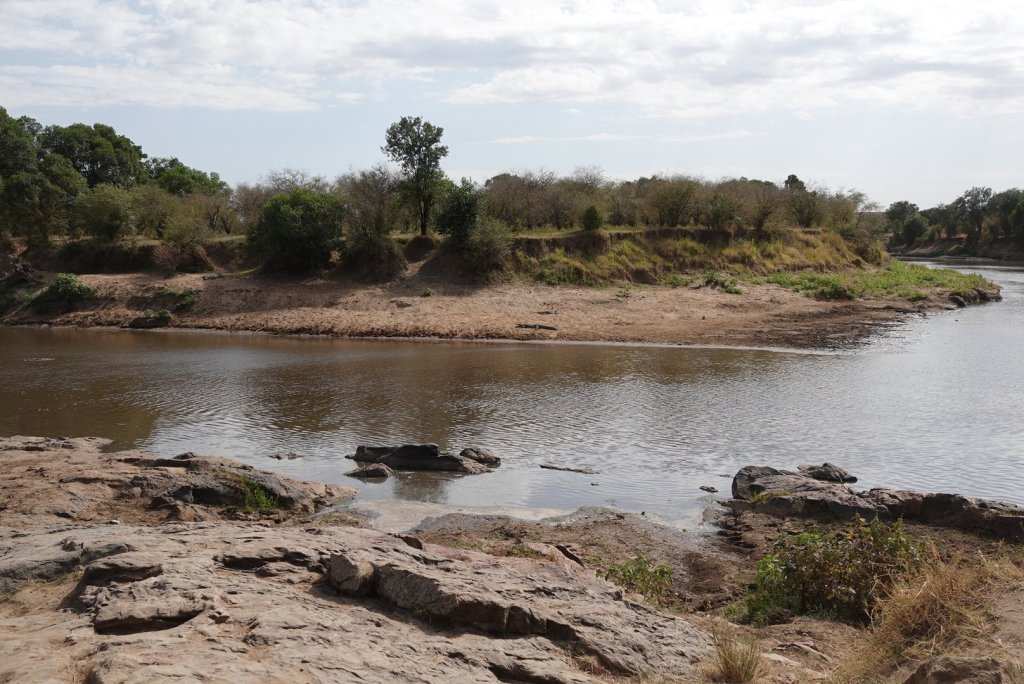
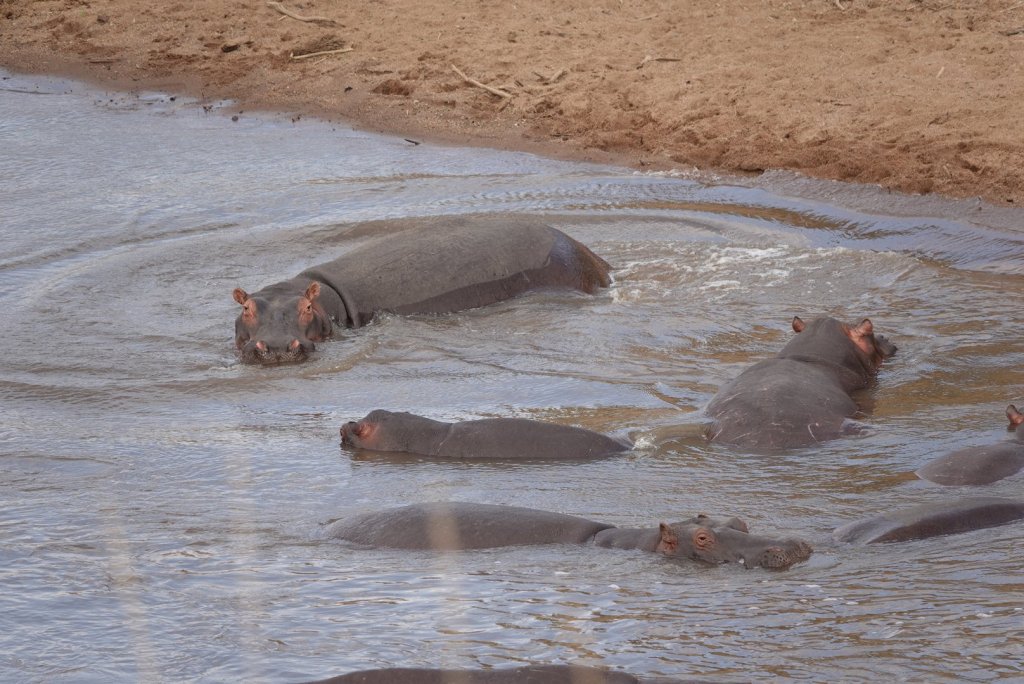
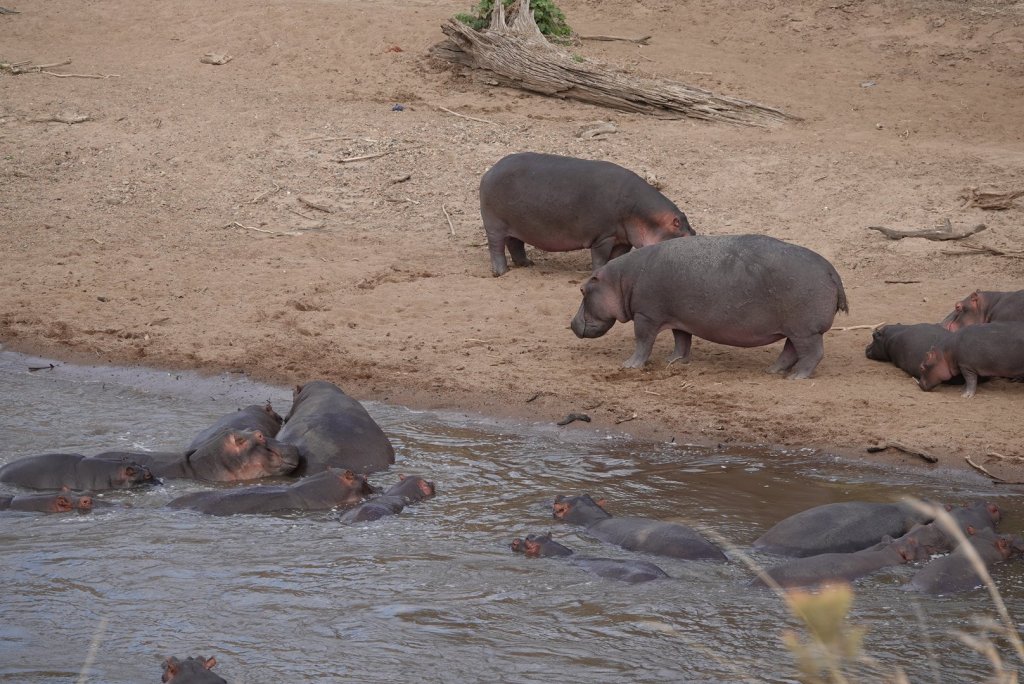
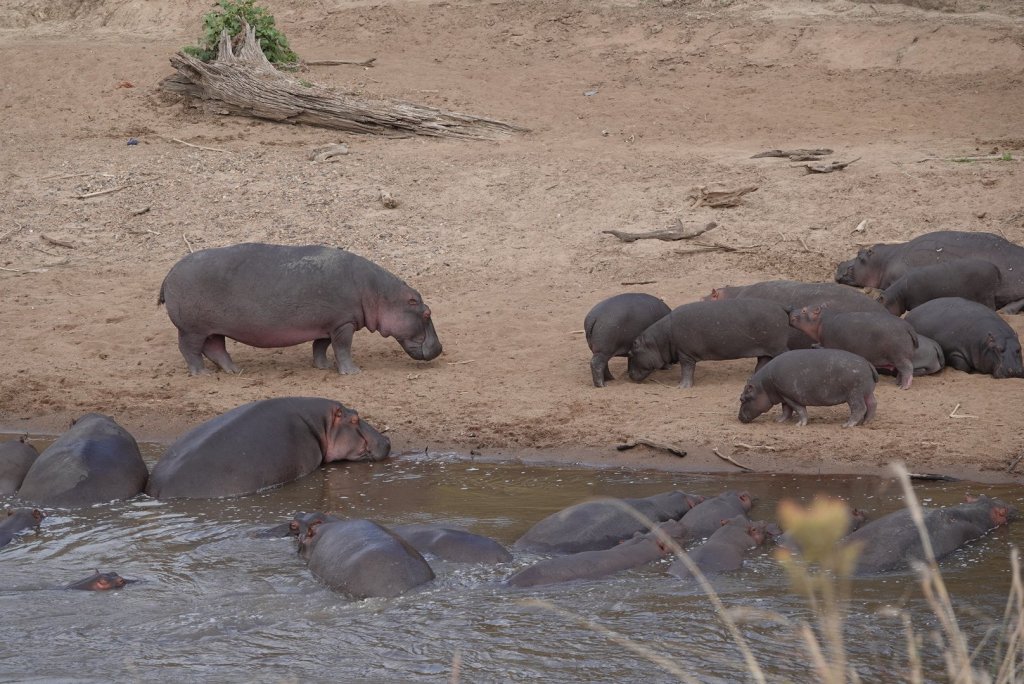
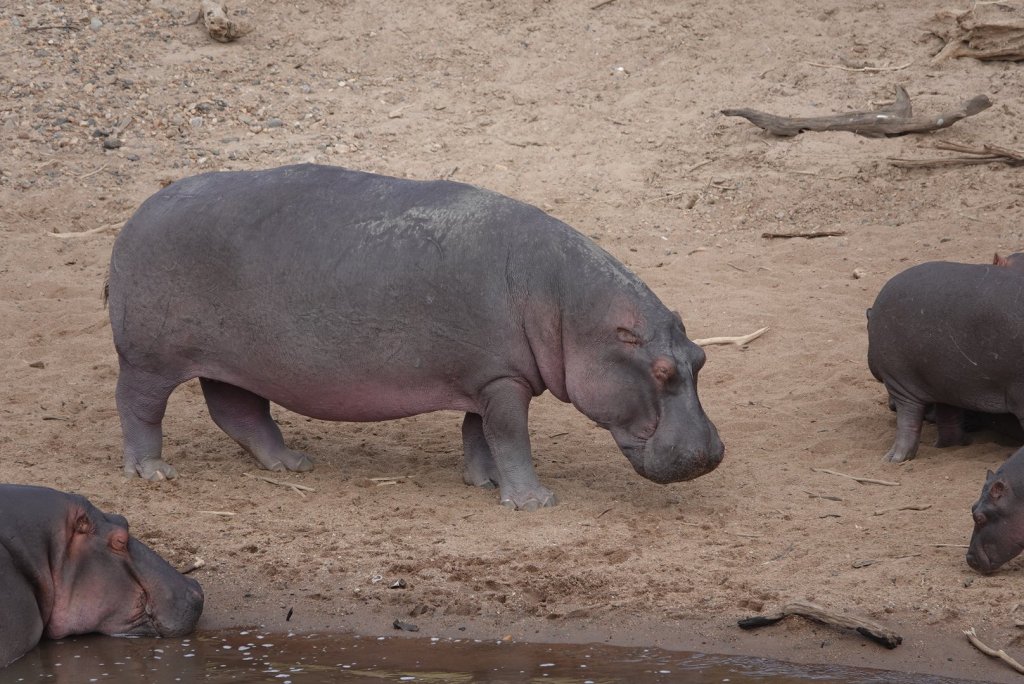
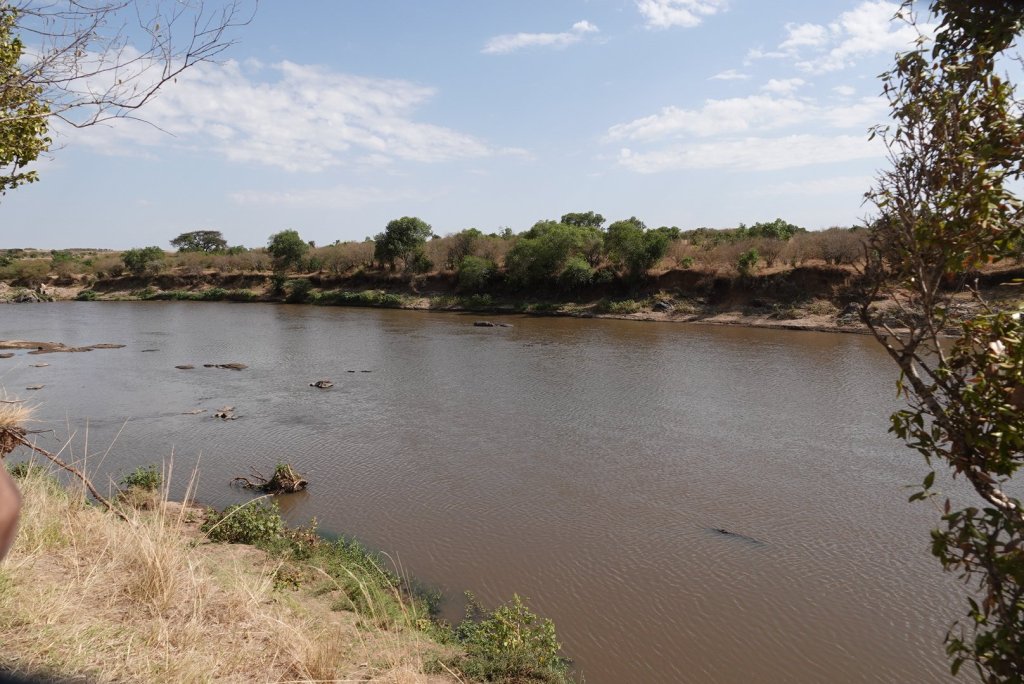
We visited the Mara River, and even tho no wildebeests were crossing, there were animals to see, crocodiles and hippos.
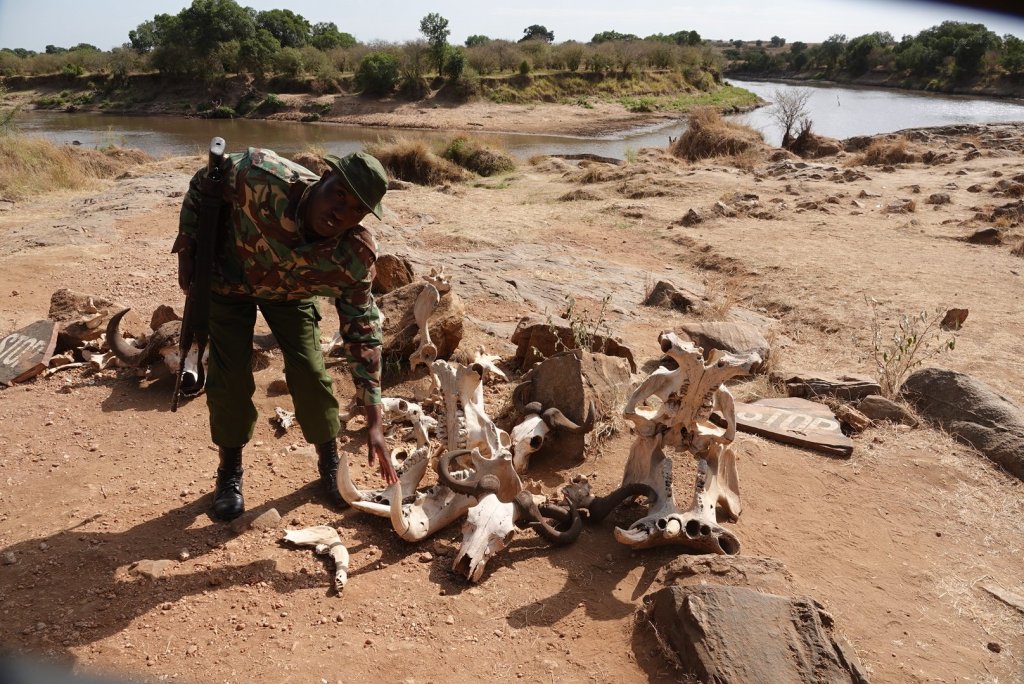
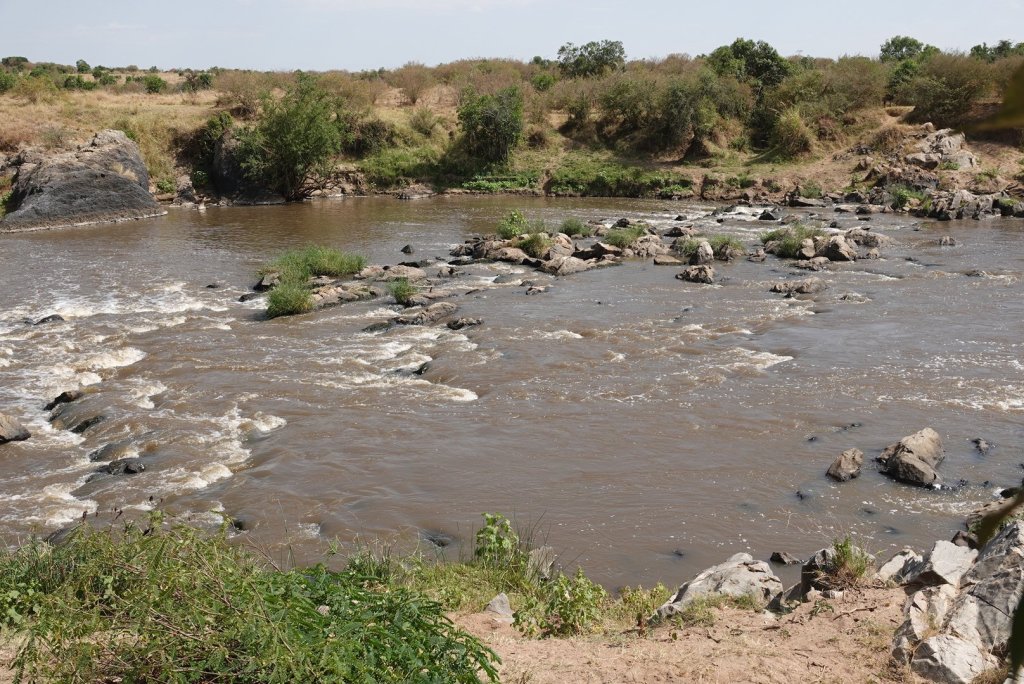
We had a guided walk by a range, a masai man, who showed us several places the migration crosses the Mara River
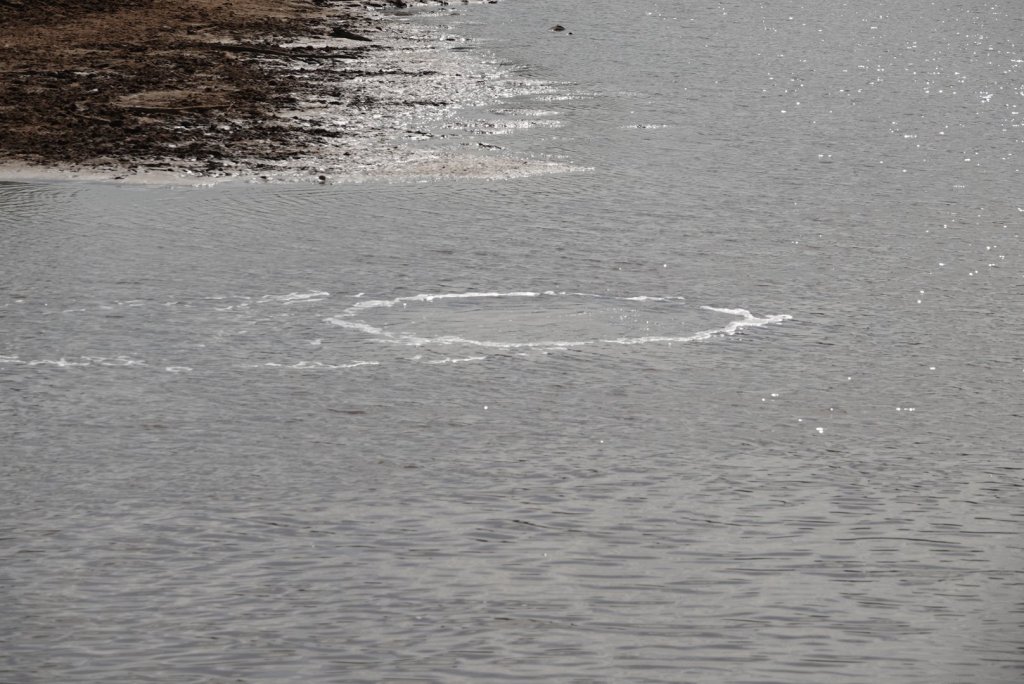
A large fish blows these bubble rings
We will go about on safari (swahili for journey or travels) at least 6 hours a day, sometimes in 2 sessions. Antony keeps us aware of any leopard sittings and when the animals begin moving toward the river crossing. So stay tuned.
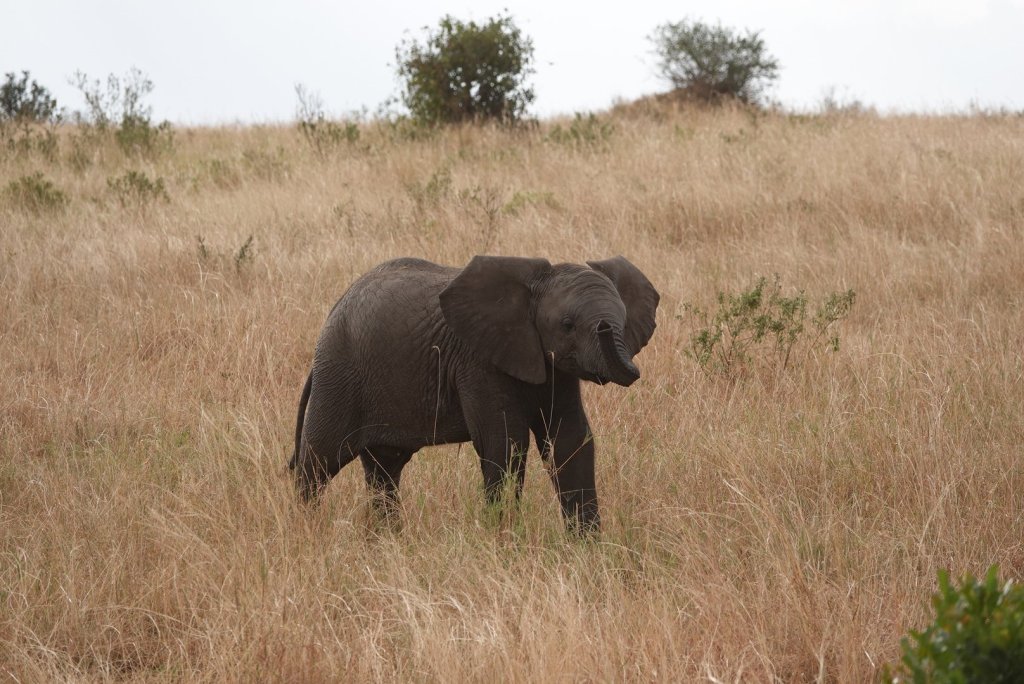
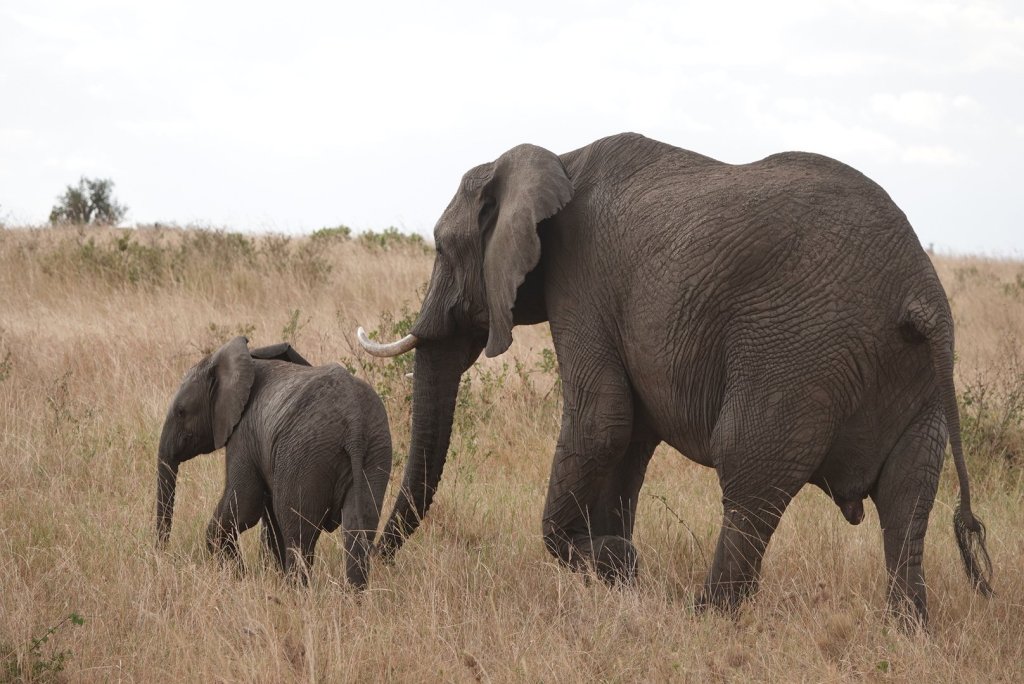
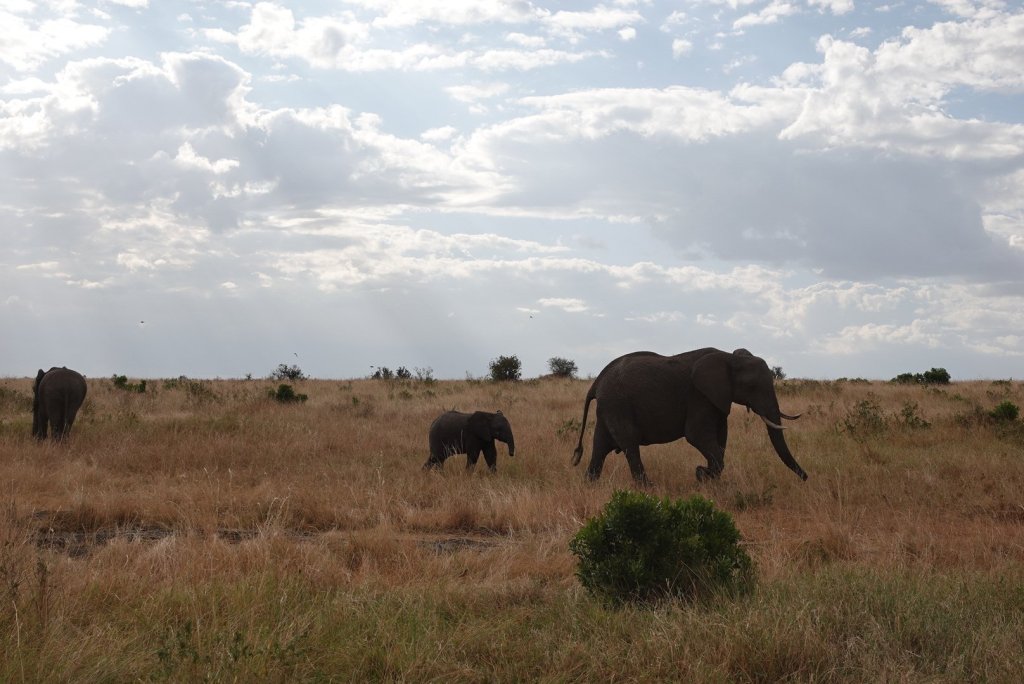
This evening drive we found this elephant family
Older daughter to the far left and new baby with mom
We had an hour and half boat trip out onto the lake today, but the rest of our day is a leisurely relaxing one.
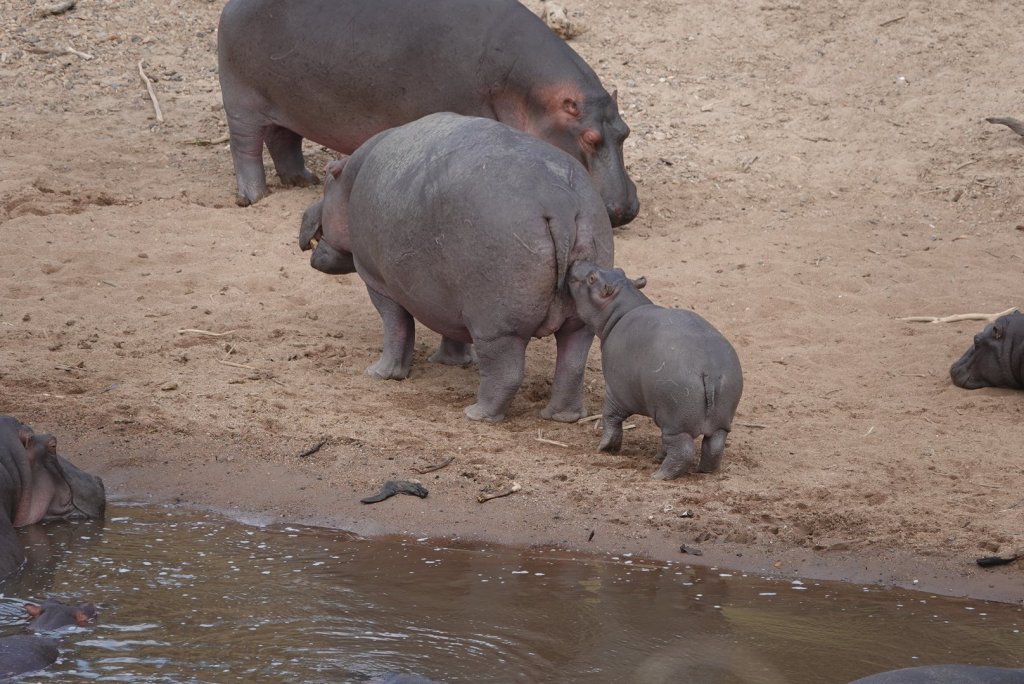
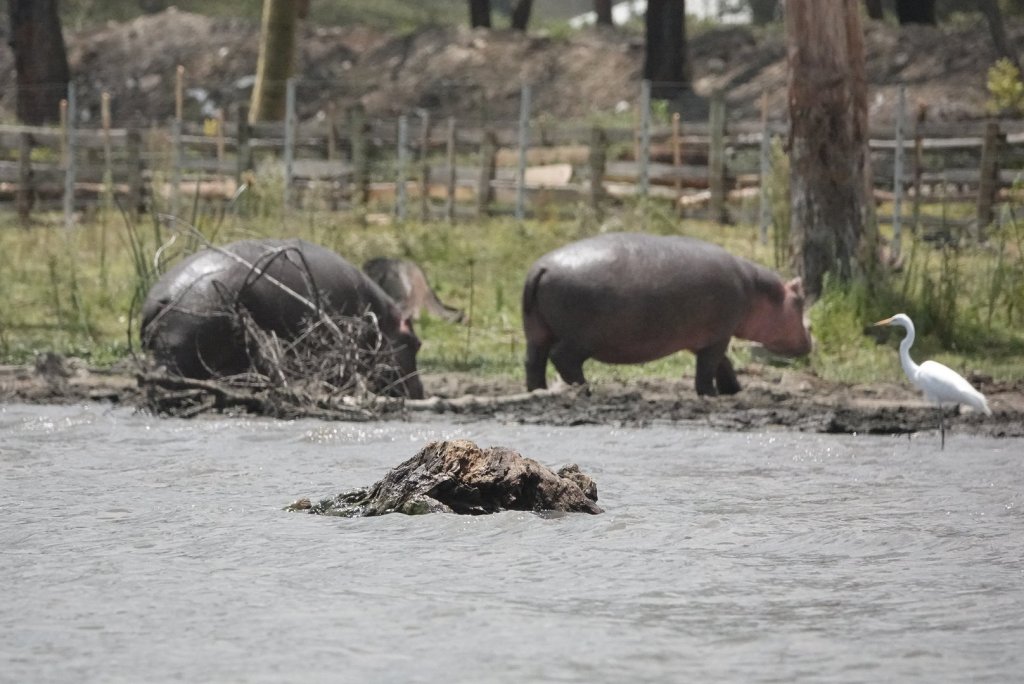
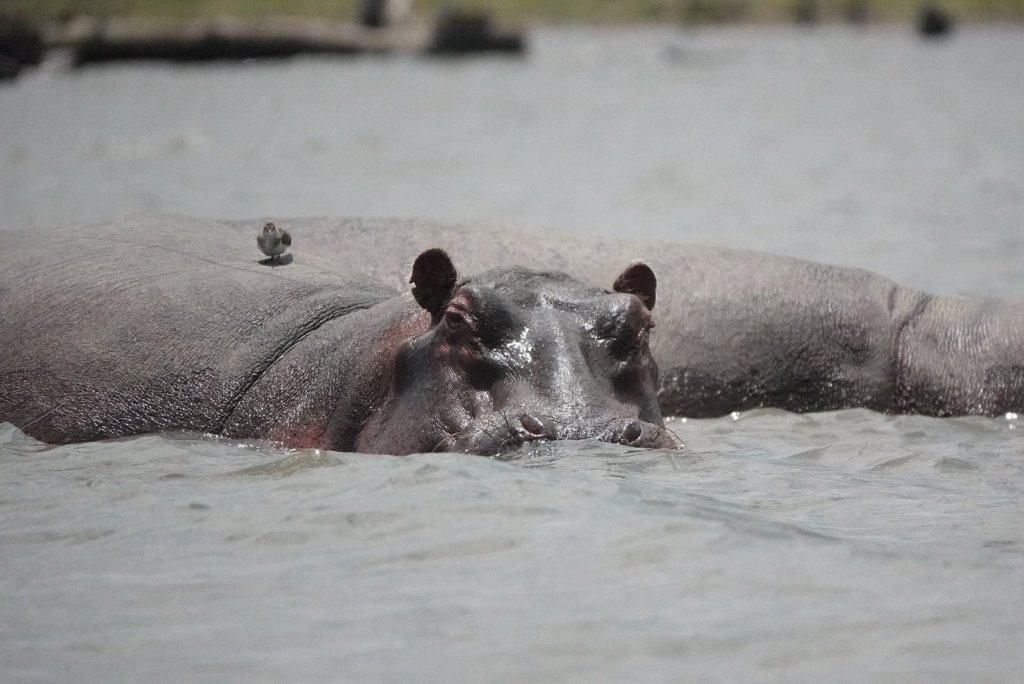
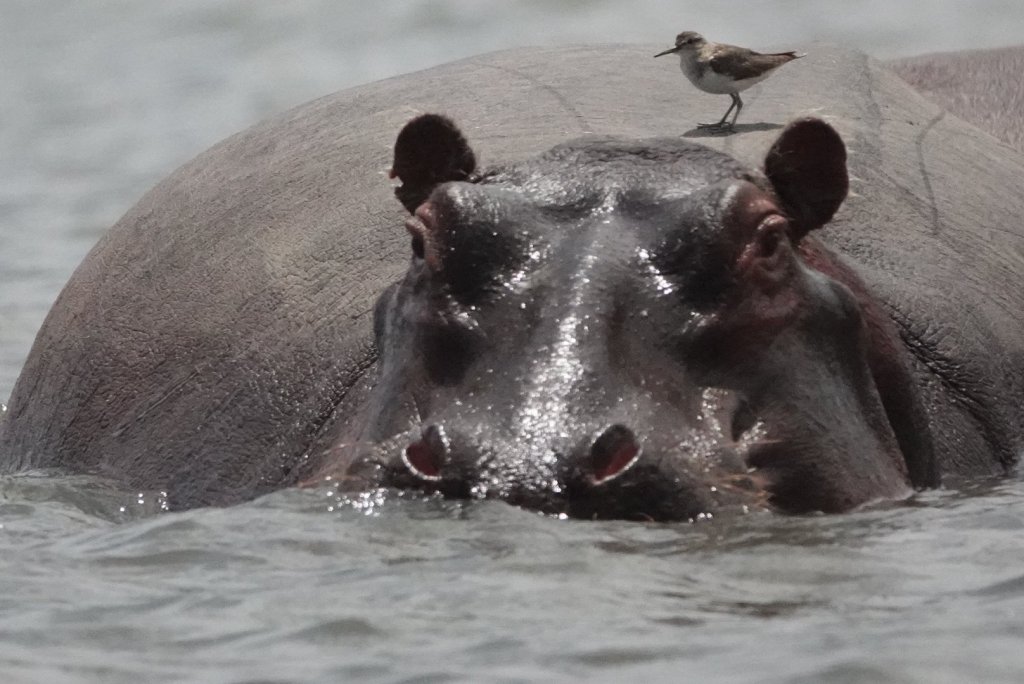
BoardingMama and baby tagging behindA few of the 2000 hippos in the lake
Our captain showed us many gorgeous birds, even feeding the fish eagles
Many sea birds
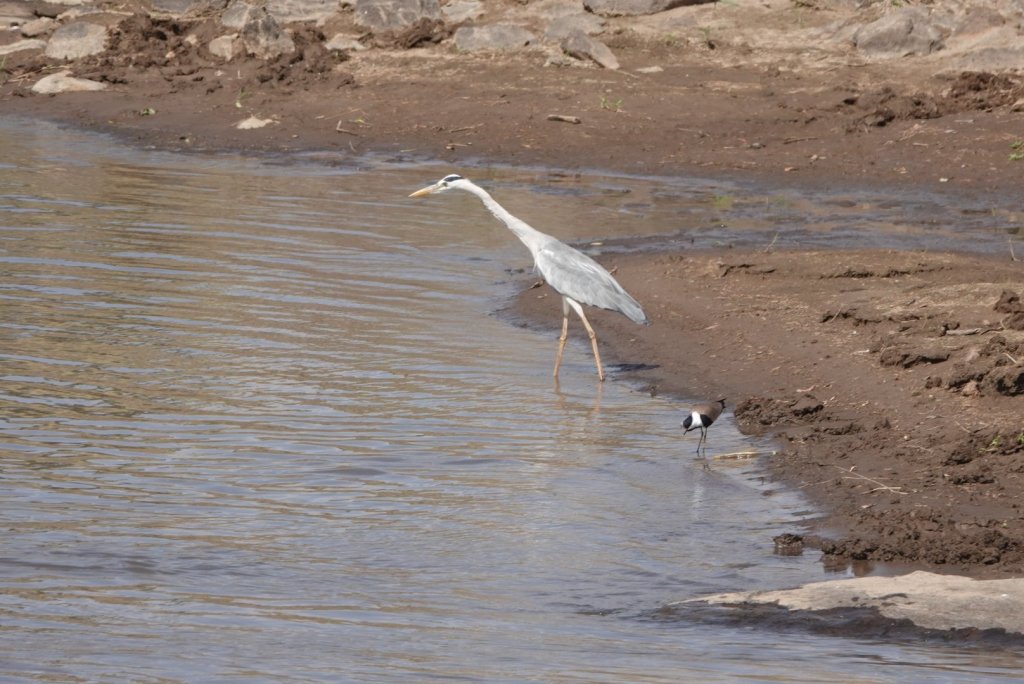
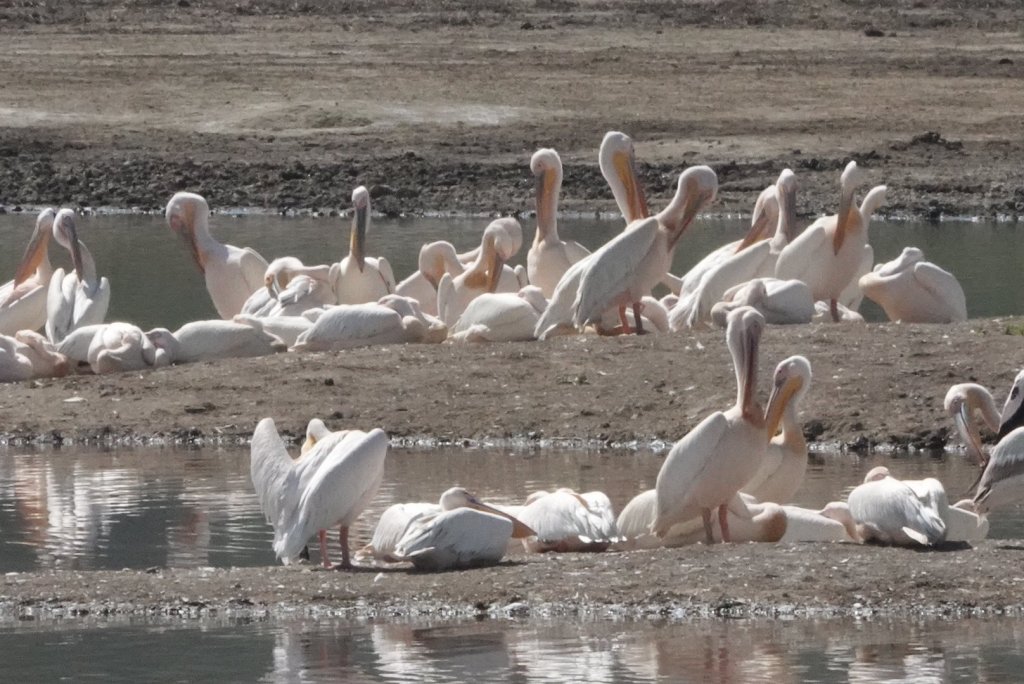
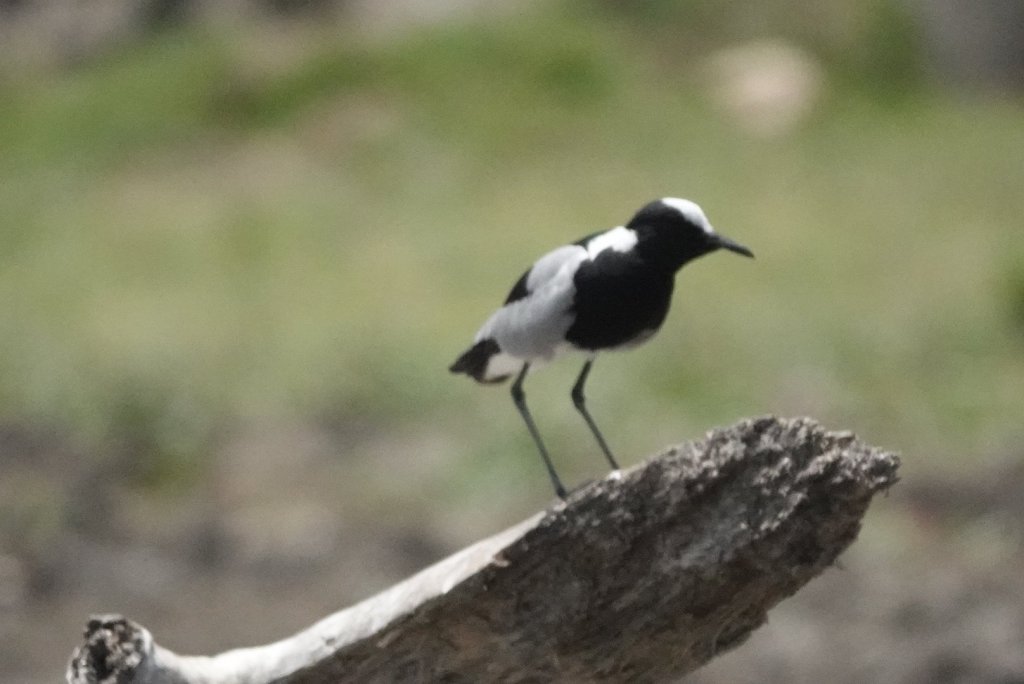
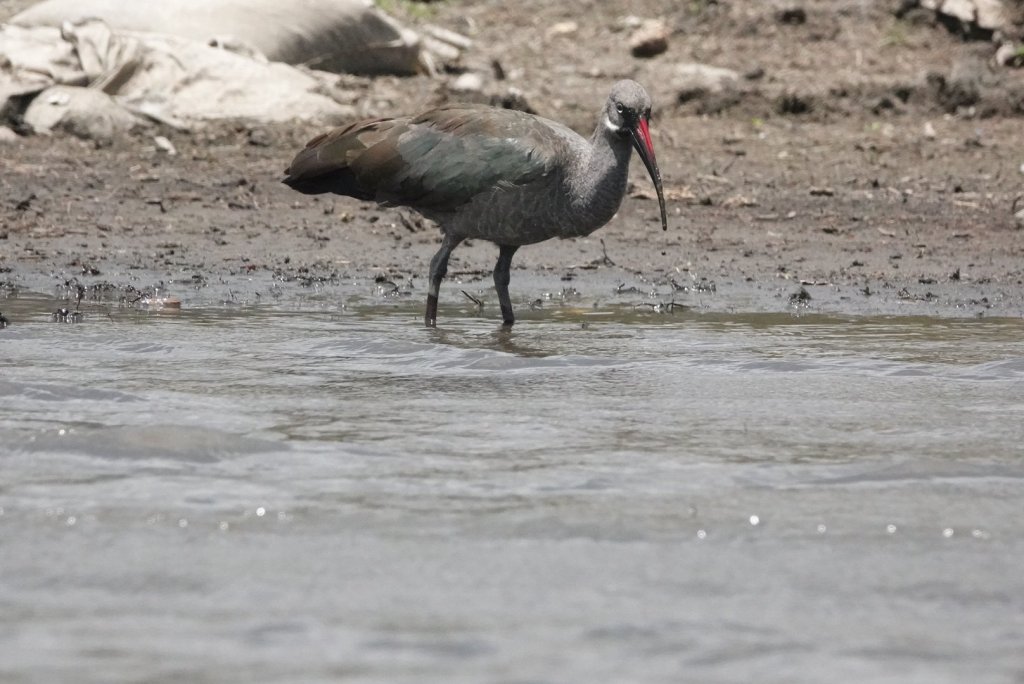
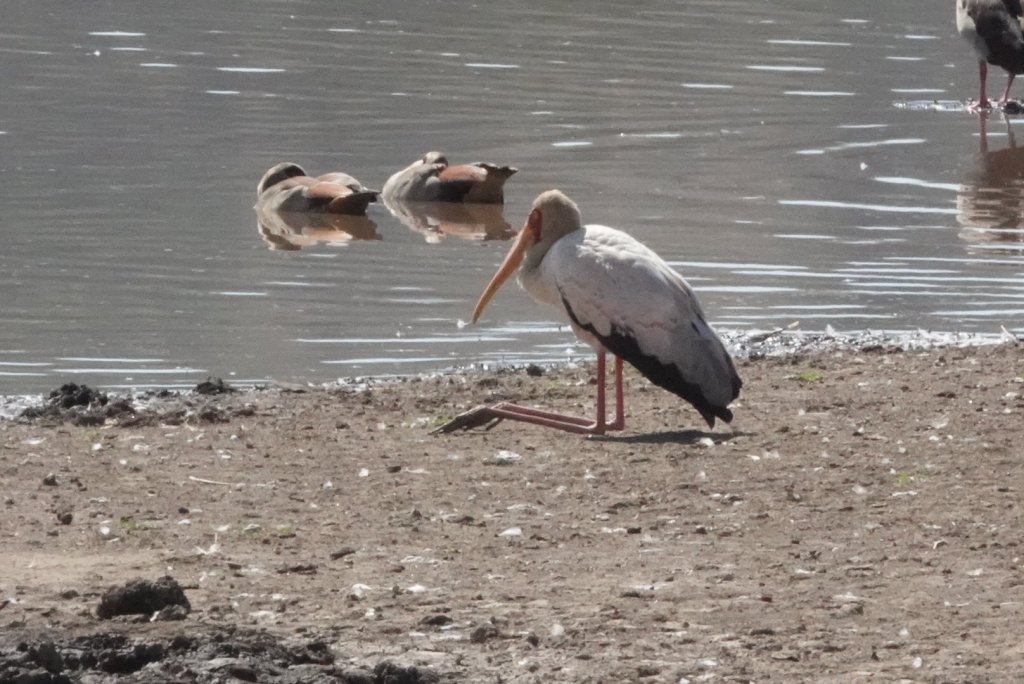
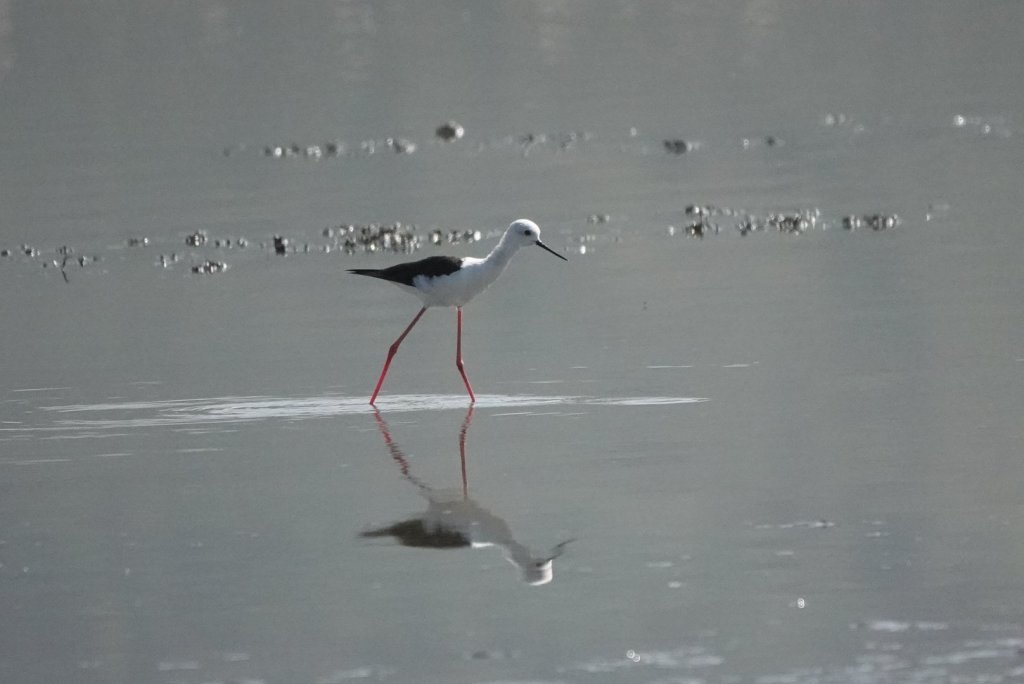
PelicanKingfisher Goliath heronAfrican JacanaBlacksmith plover2 types of IbisGiant kingfisherPied kingfisher
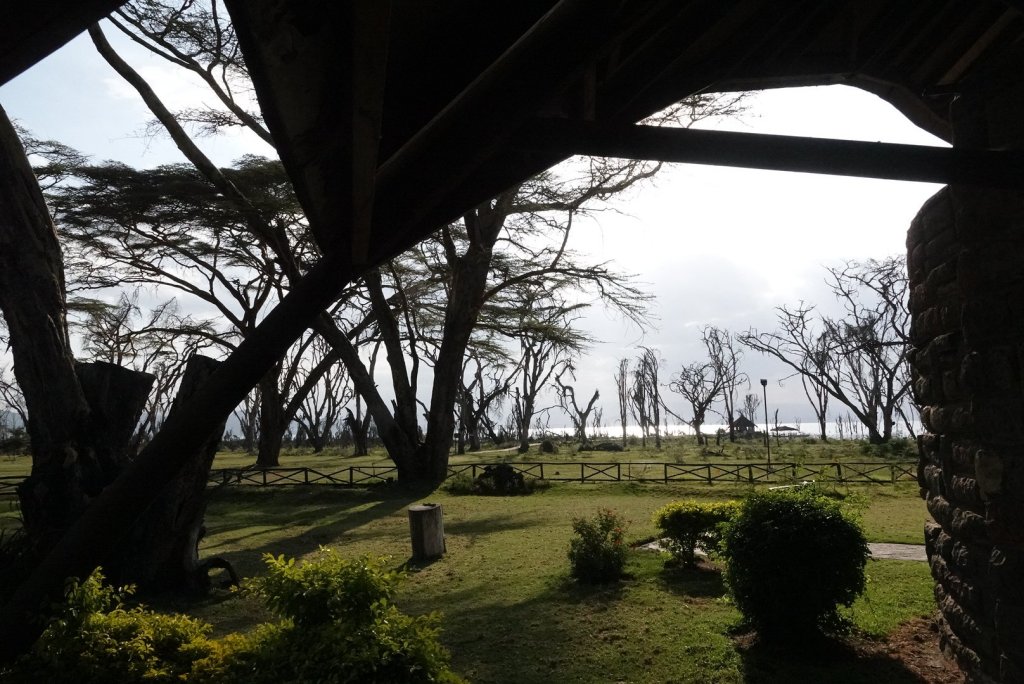
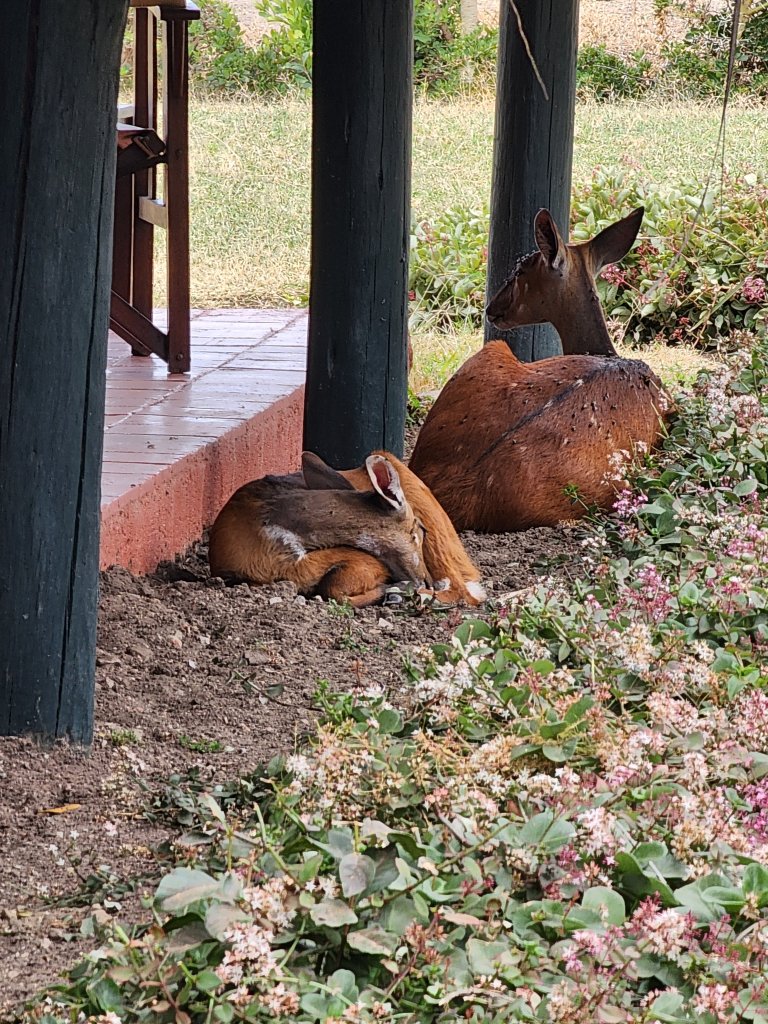
Our lodging is another Sopa Lodge, the Lake Naivasha. The Amazing thing is that wild animals wander between the lodge in the garden! And a view of the Lake.
As always, Antony was on the ball, checking with his fellow guides and friends there to find a great sighting before e even arrived at our lodge for lunch! He and 1 other guide got permission from a range to offroad to a recent lion kill!
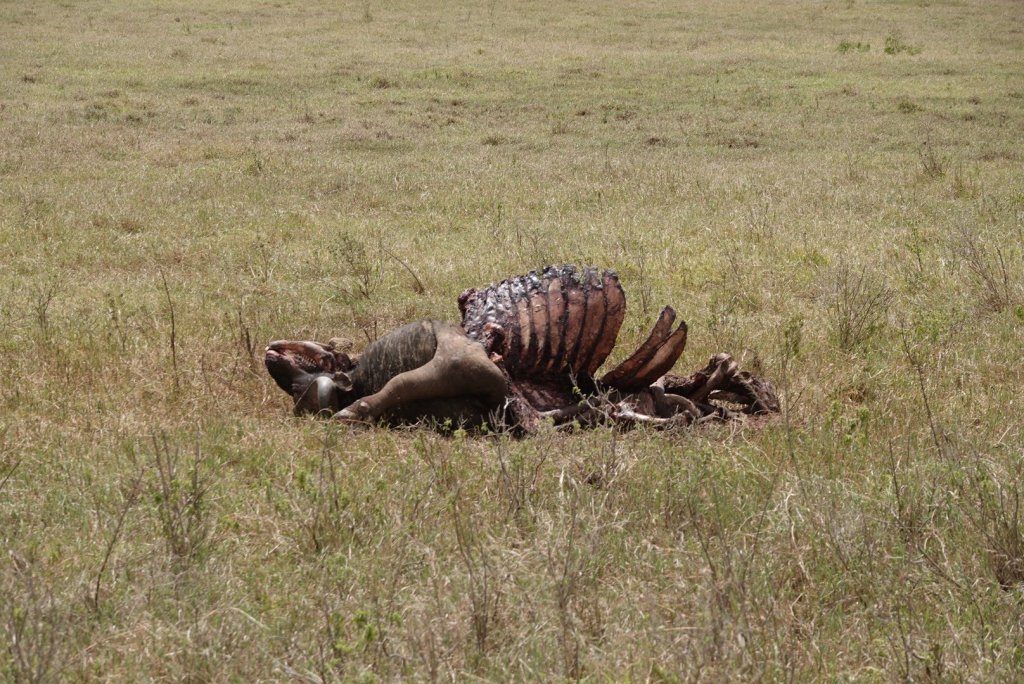
Here are the leftovers, a cape Buffalo skeleton
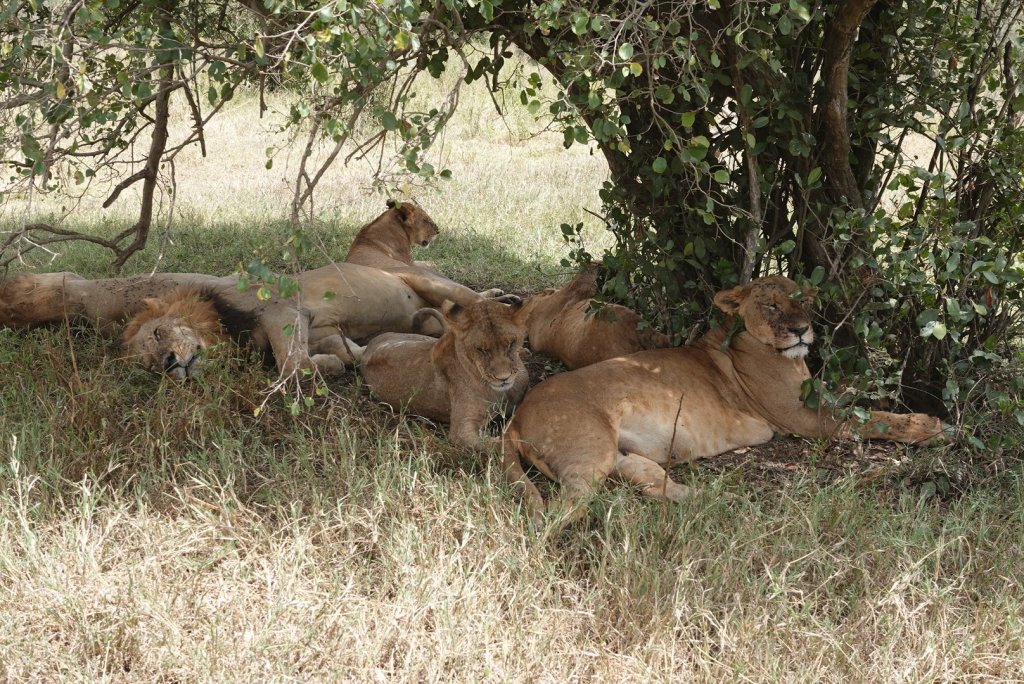
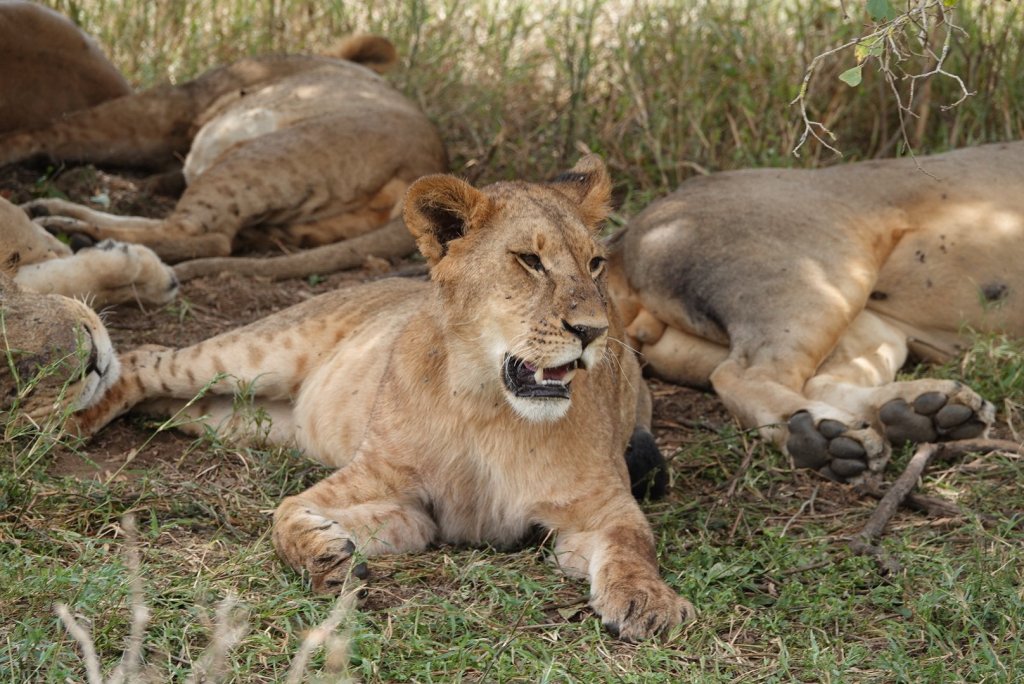
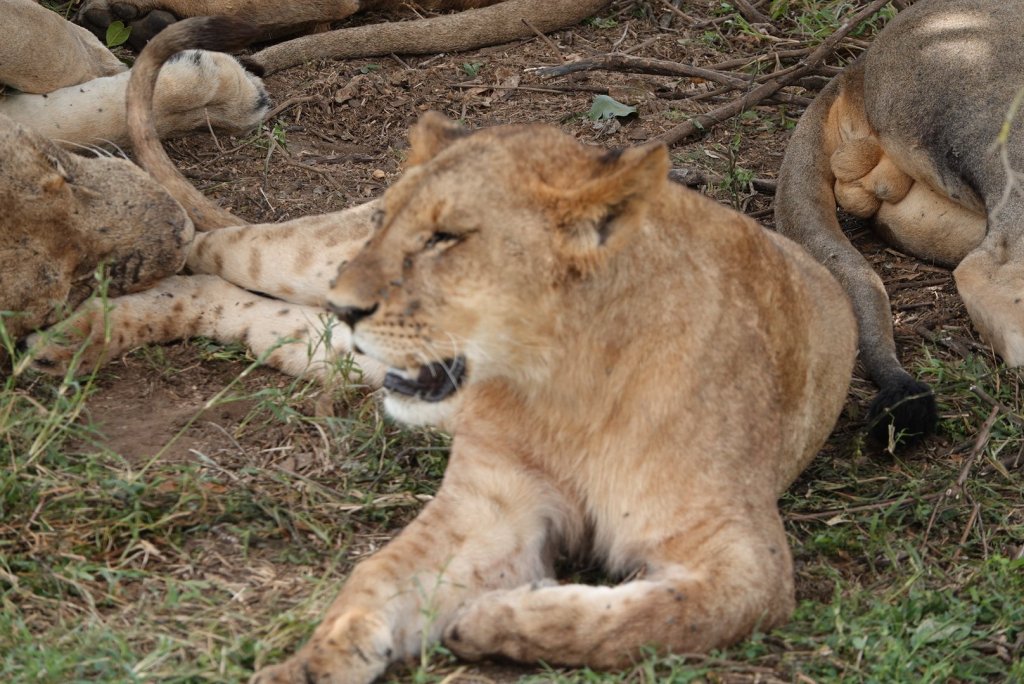
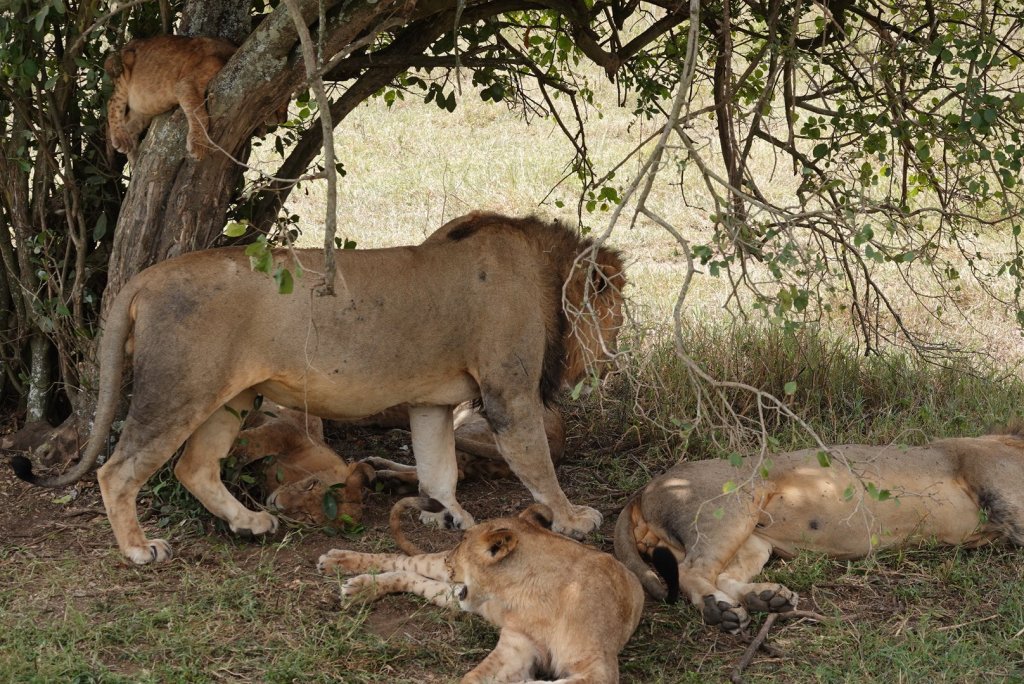
And the very full and satisfied dinner companions, resting under a nearby tree in the heart of the day.
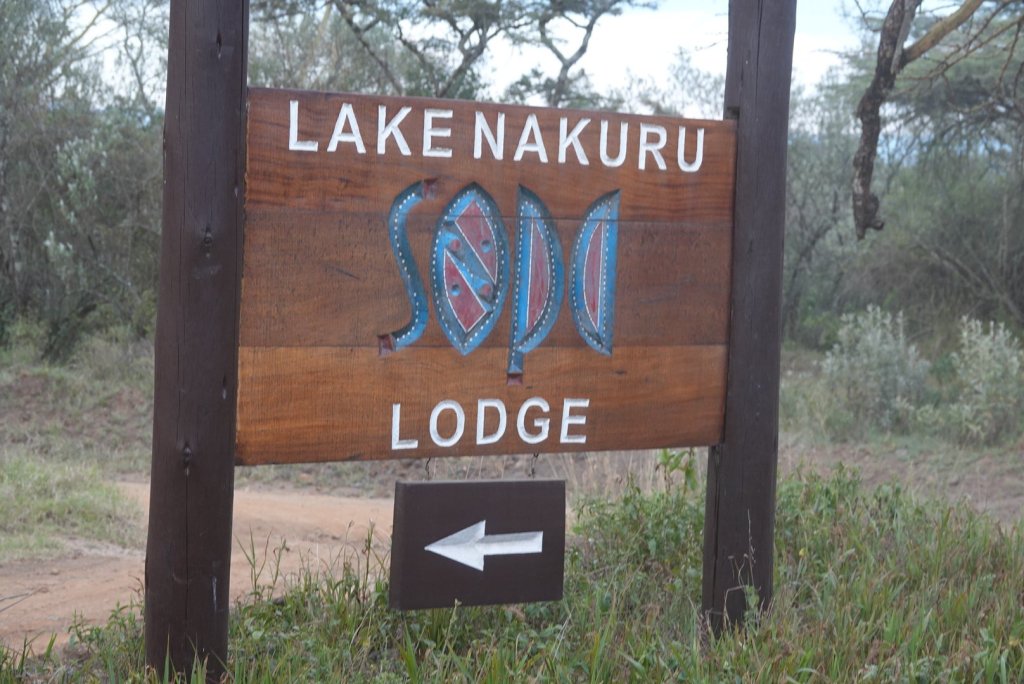
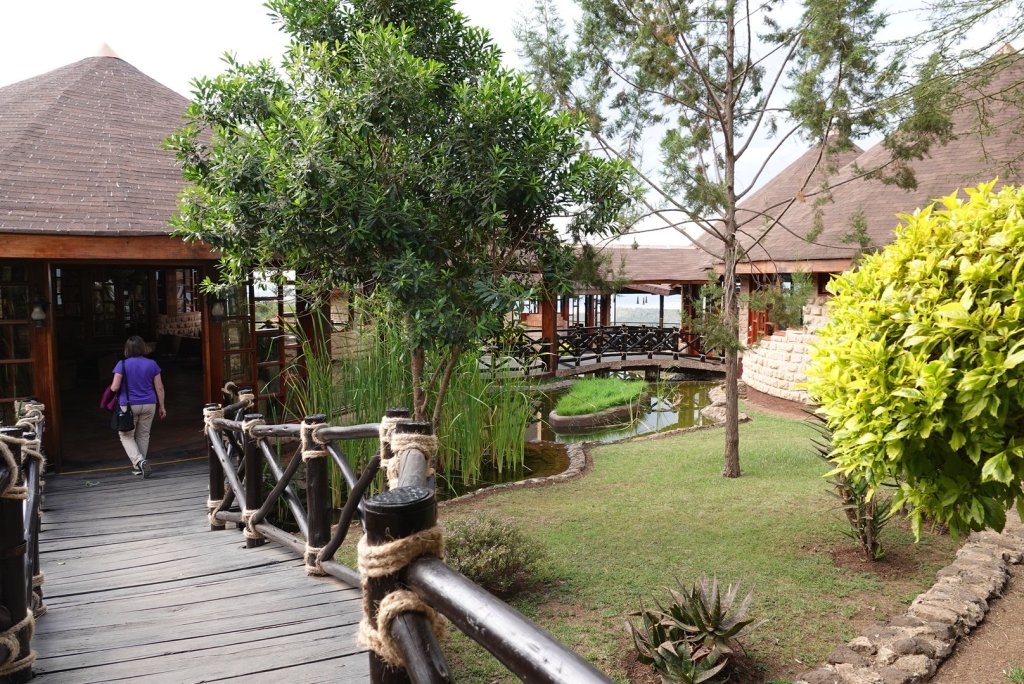
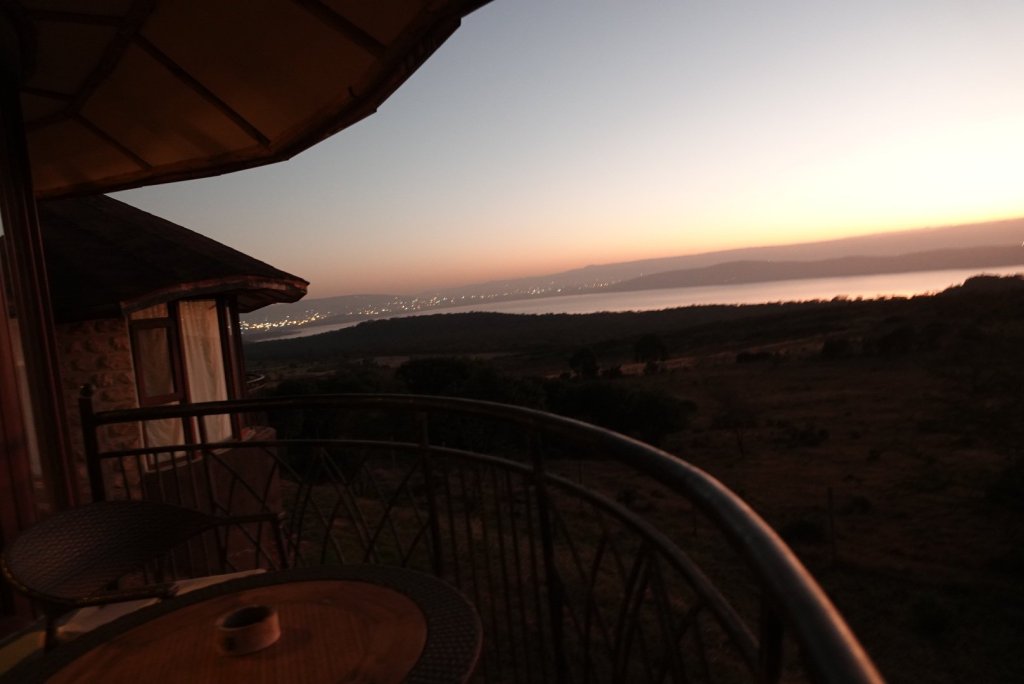
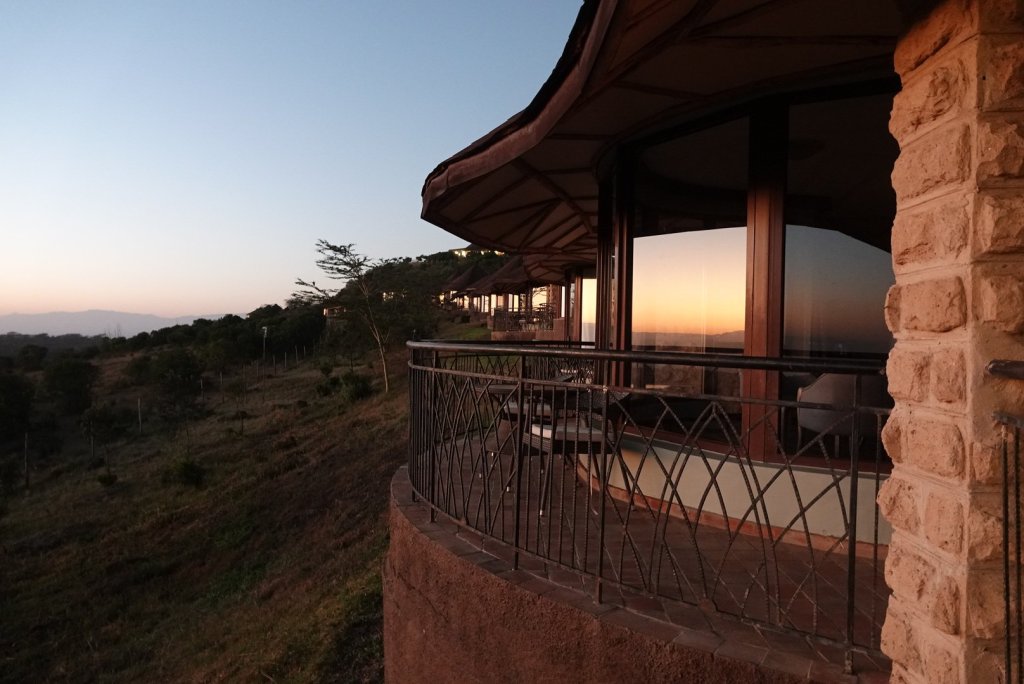
Our lodge there, the Lake Nakuru Sopa Lodge, was spectacular, with expansive views of the Lake
Sunset
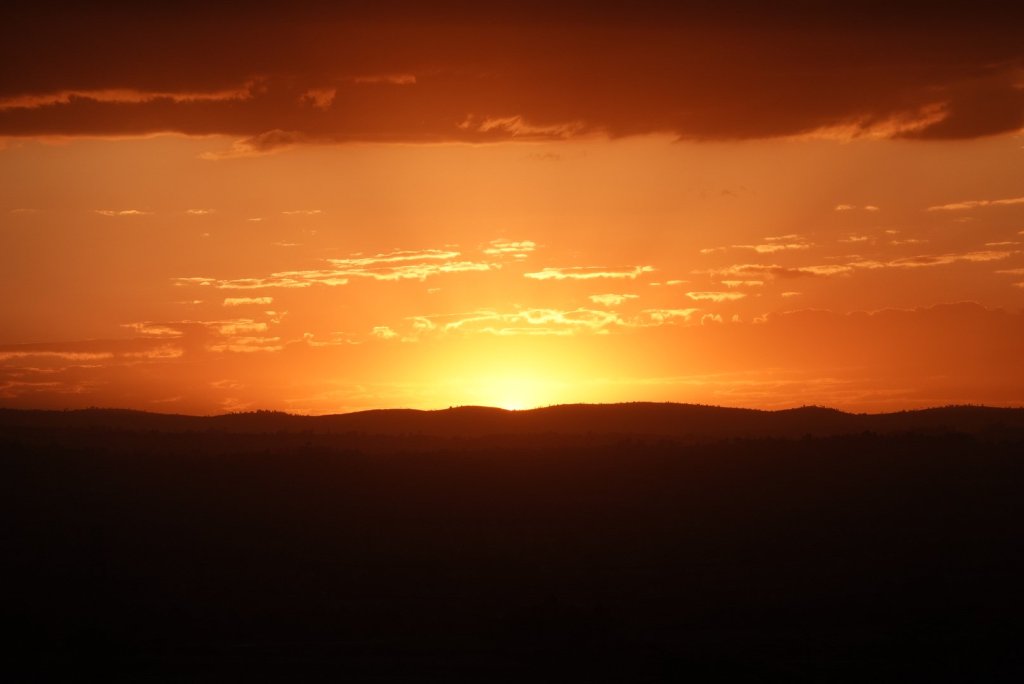
And more Spectacular views at sunrise
After lunch, and our usual afternoon rest, we went out for another game drive
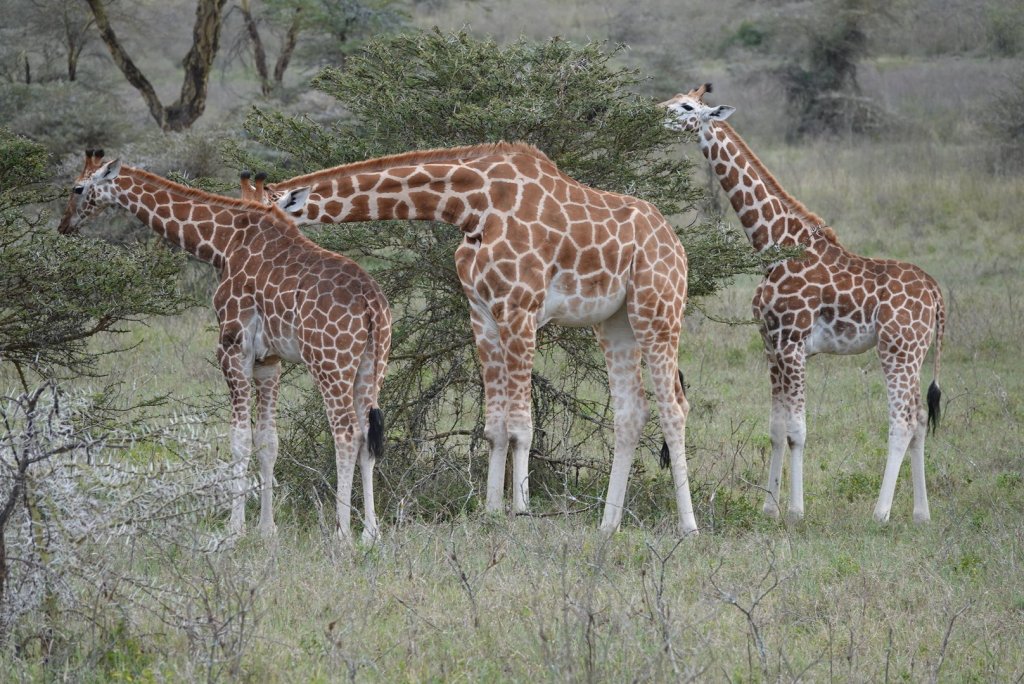
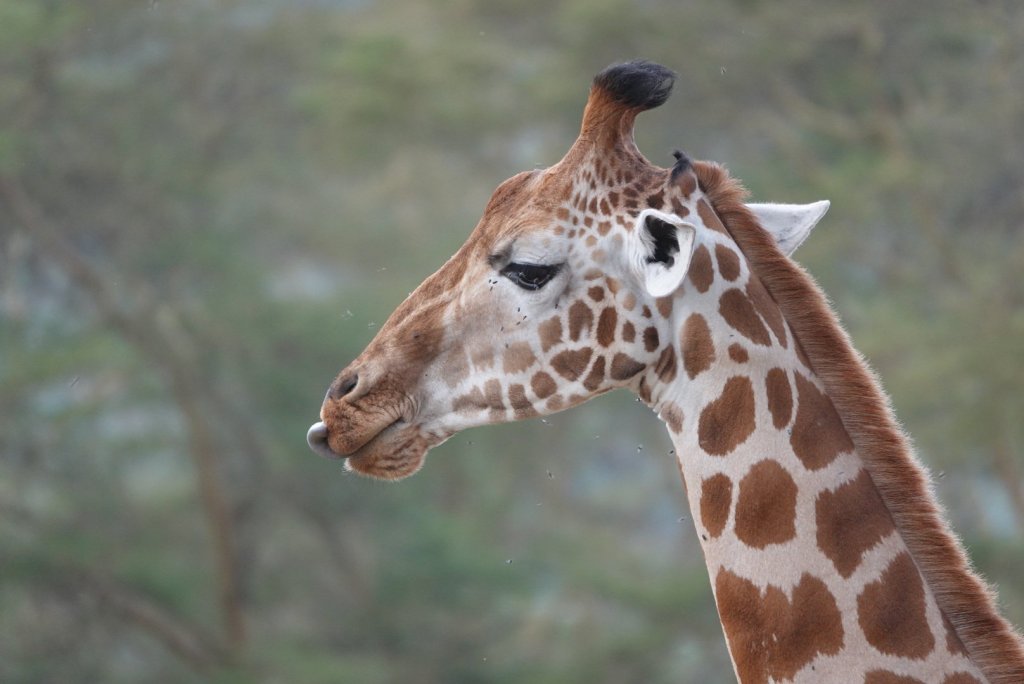
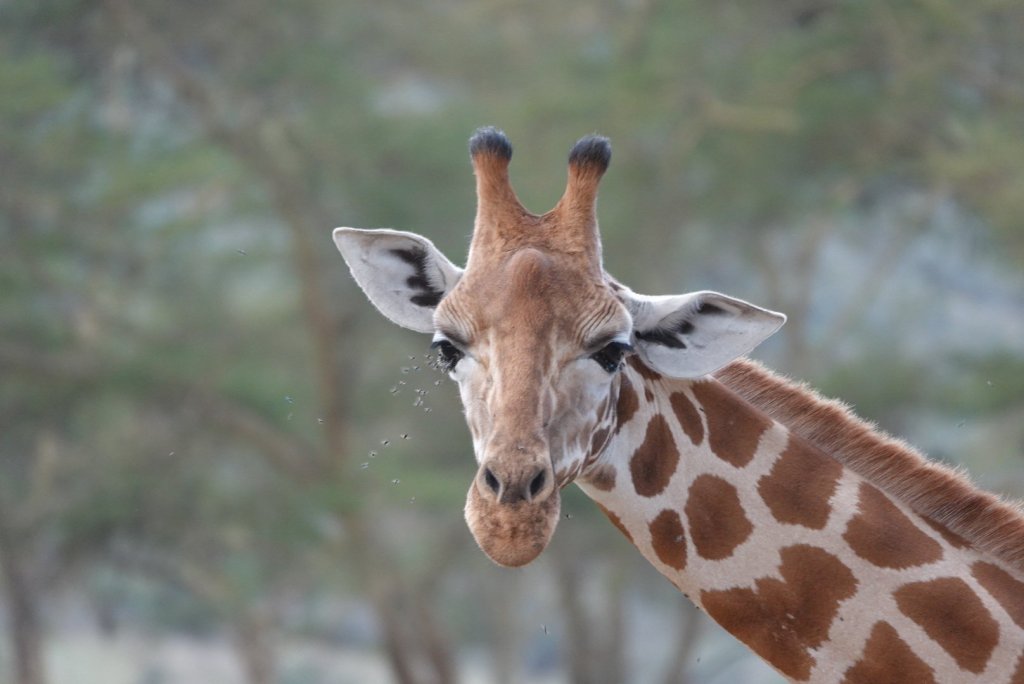
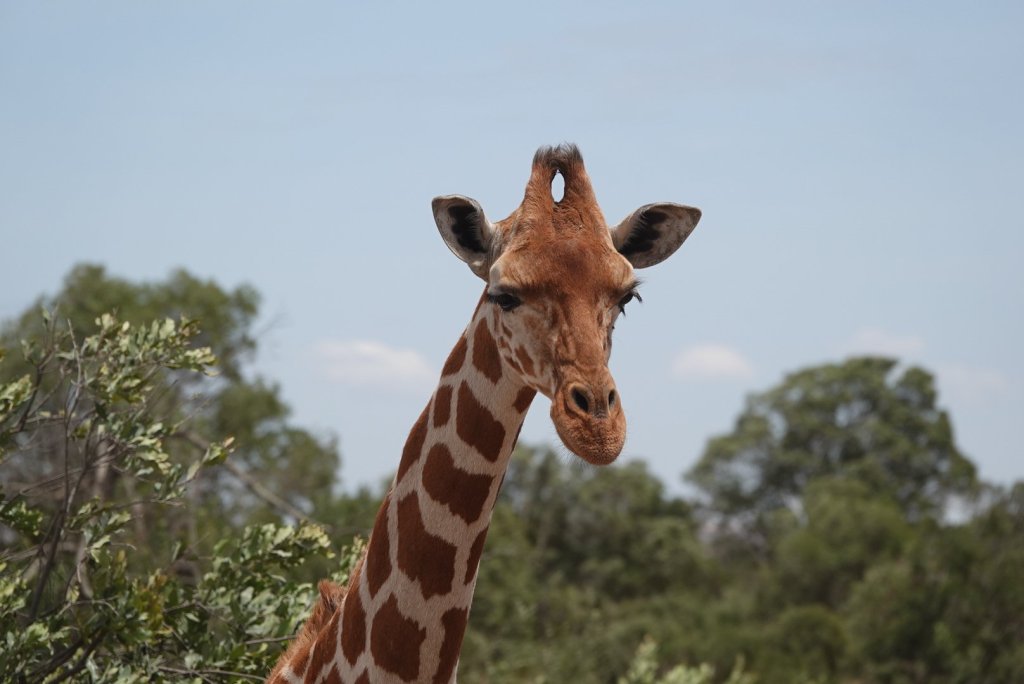
A new animalThe Rothchilds giraffe
Plus
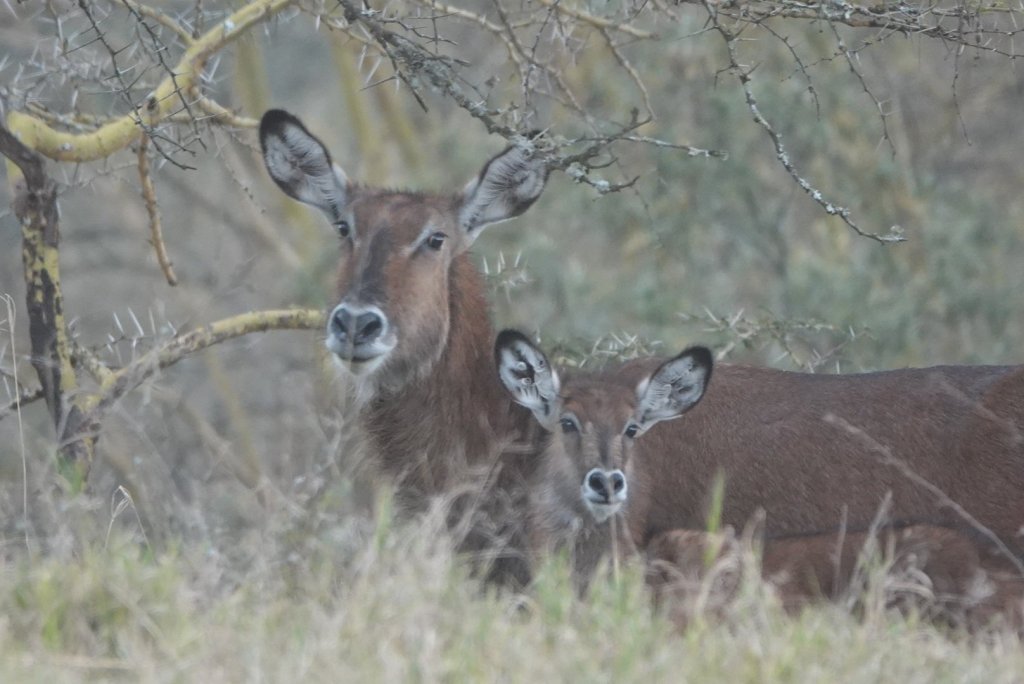
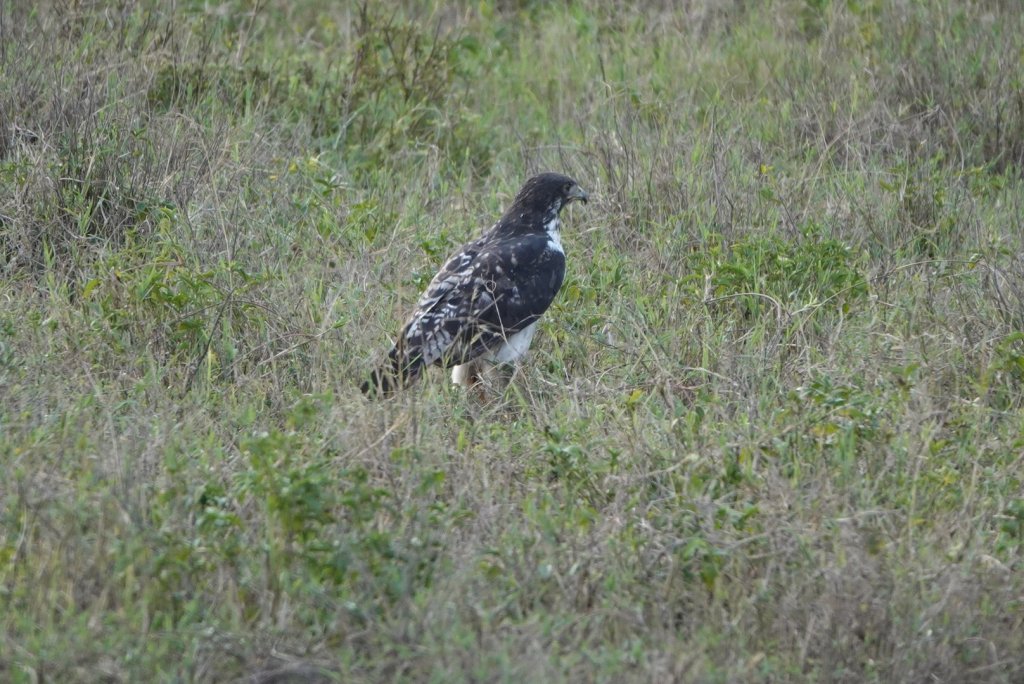
Defasse WaterbuckA snake eagle
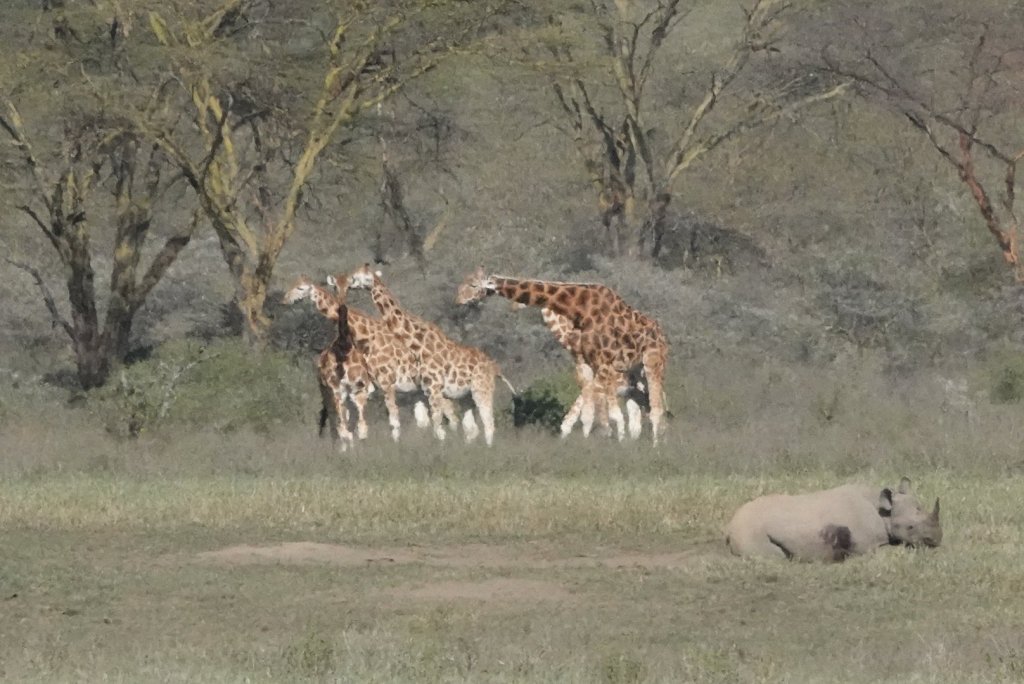
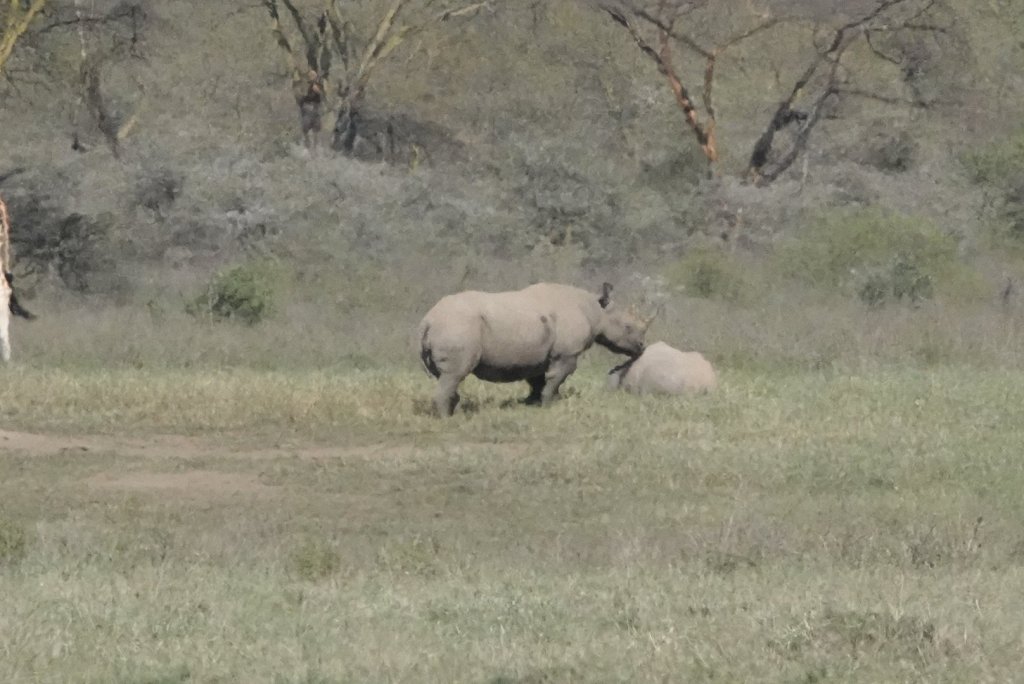
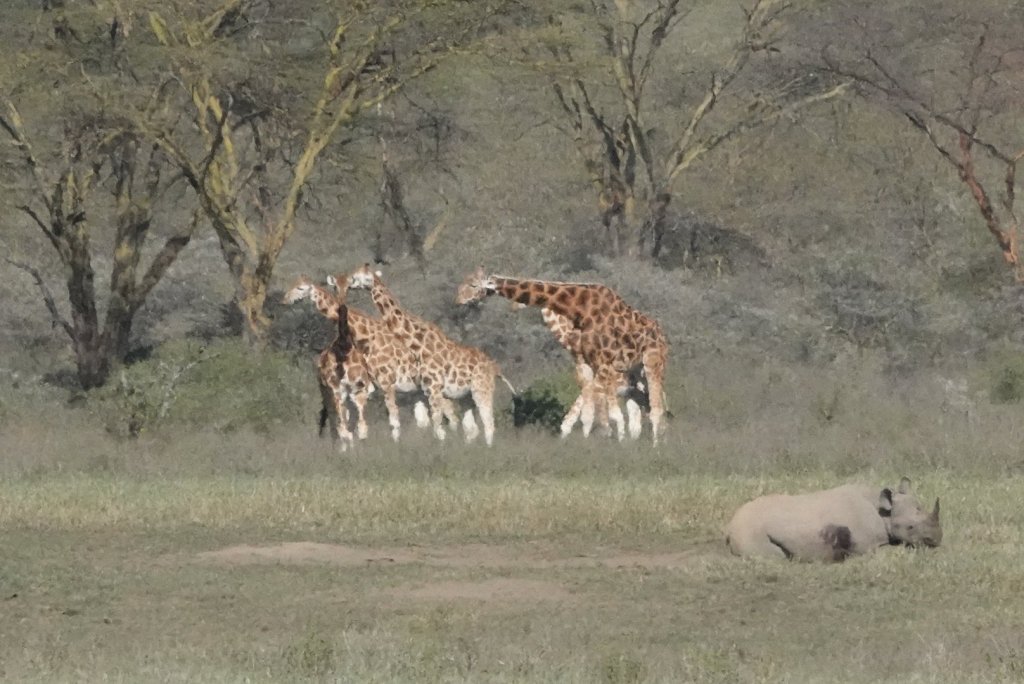
As we left the lodge this morning, we hurried to a spot where 2 black rhinos were spotted, but the scene was even more spectacular than we imagined.
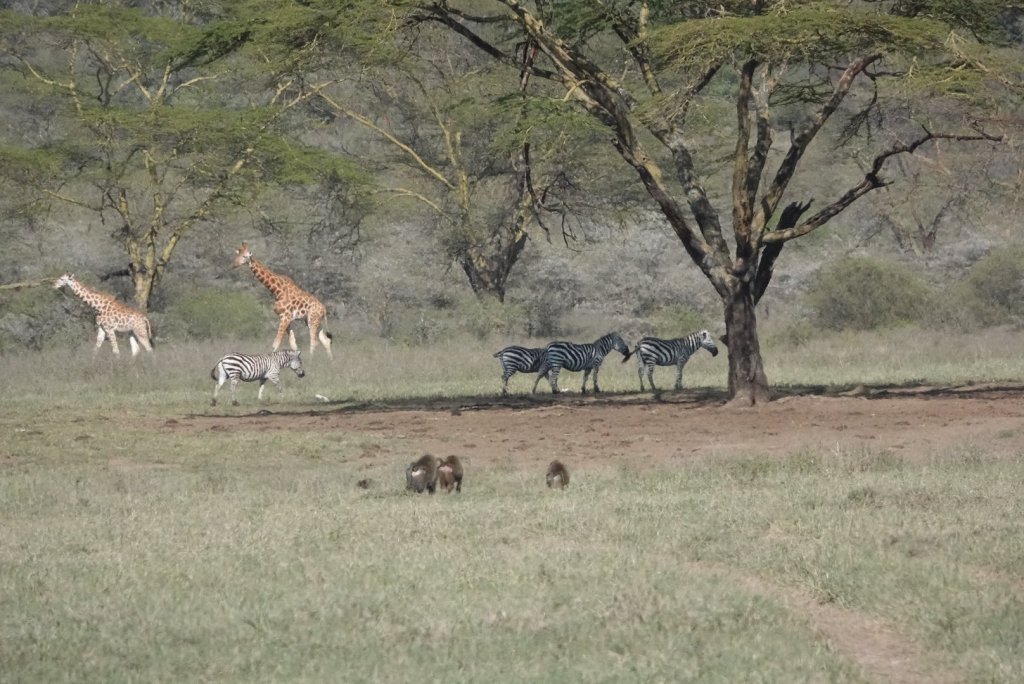
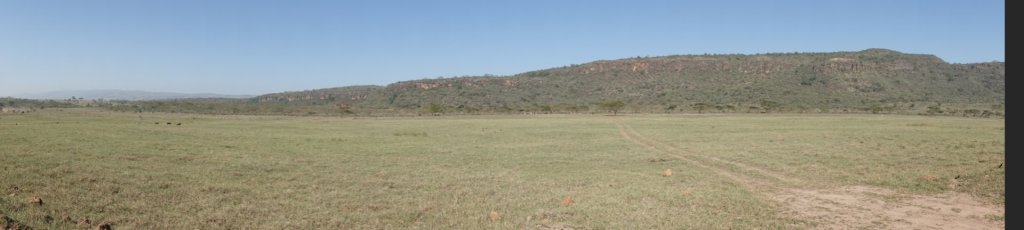
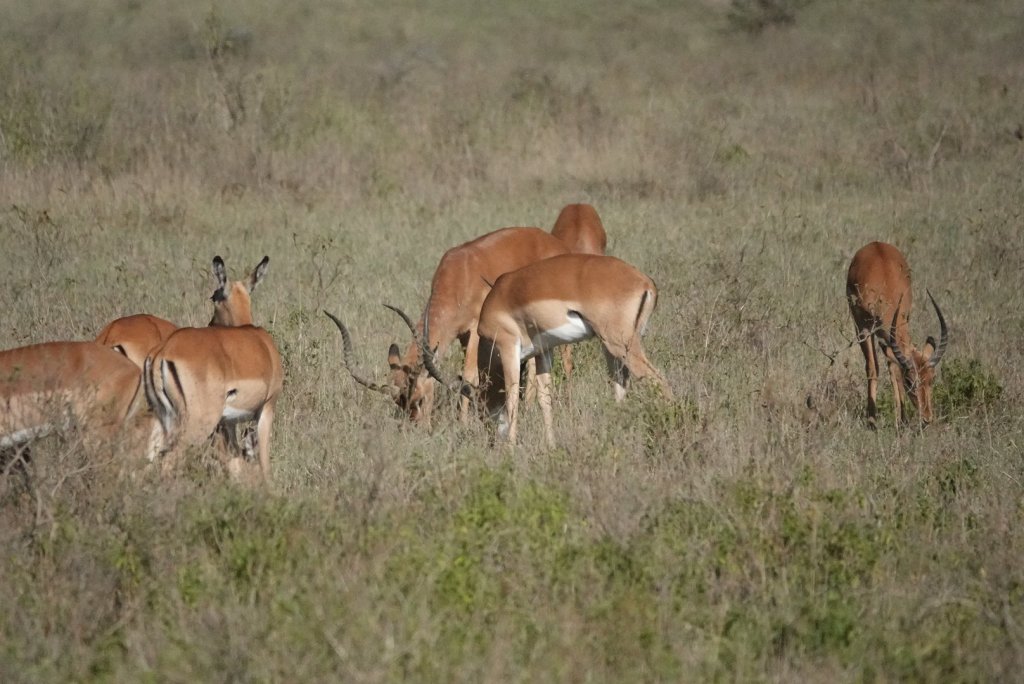
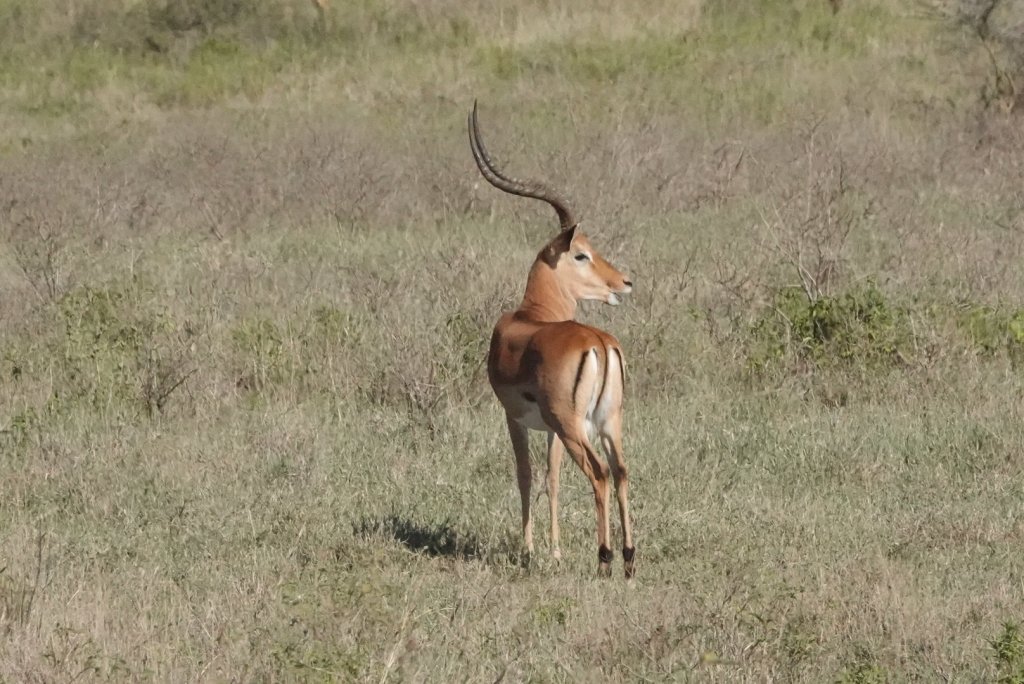
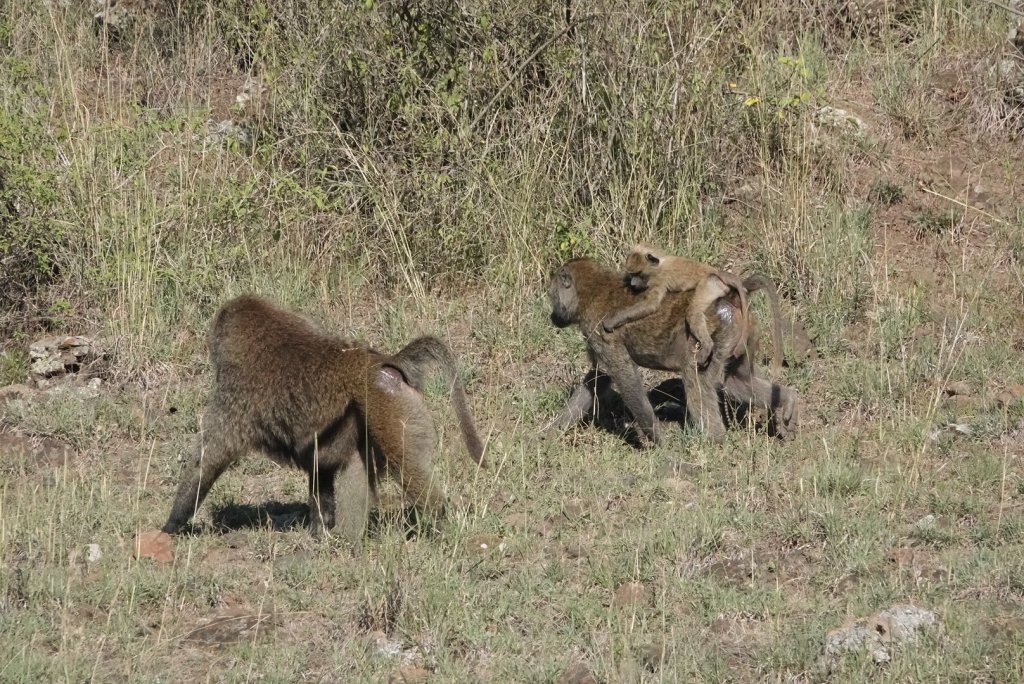
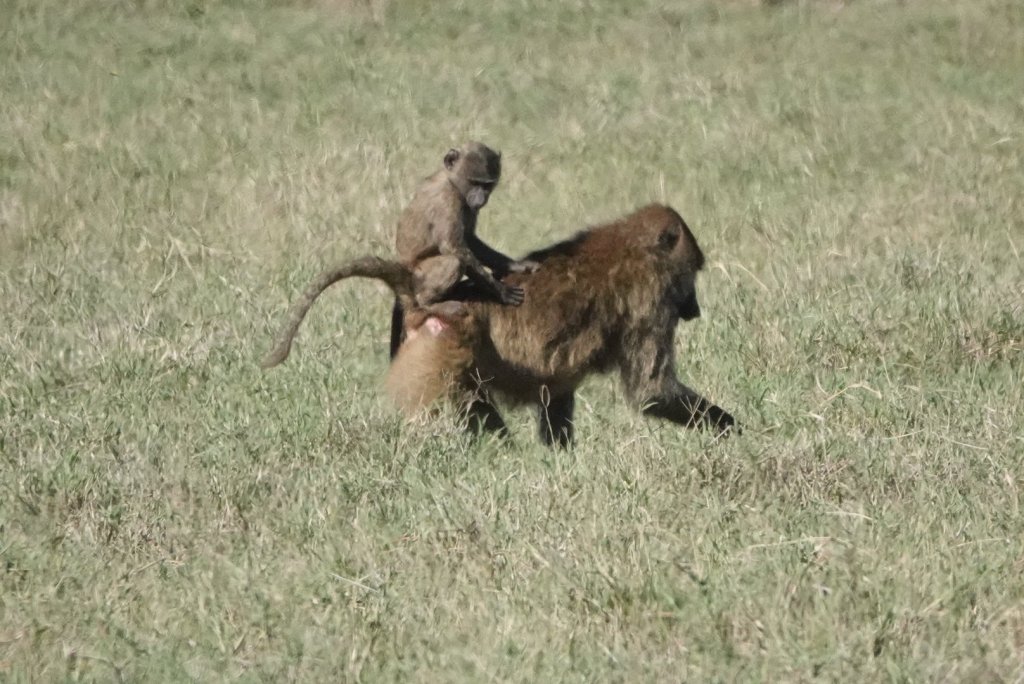
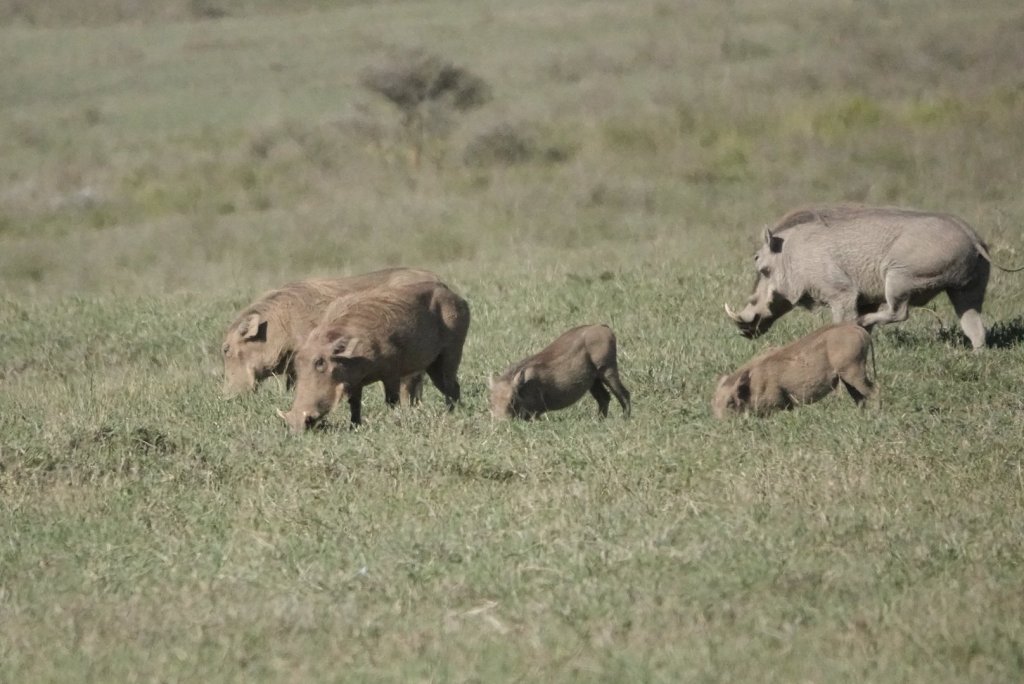
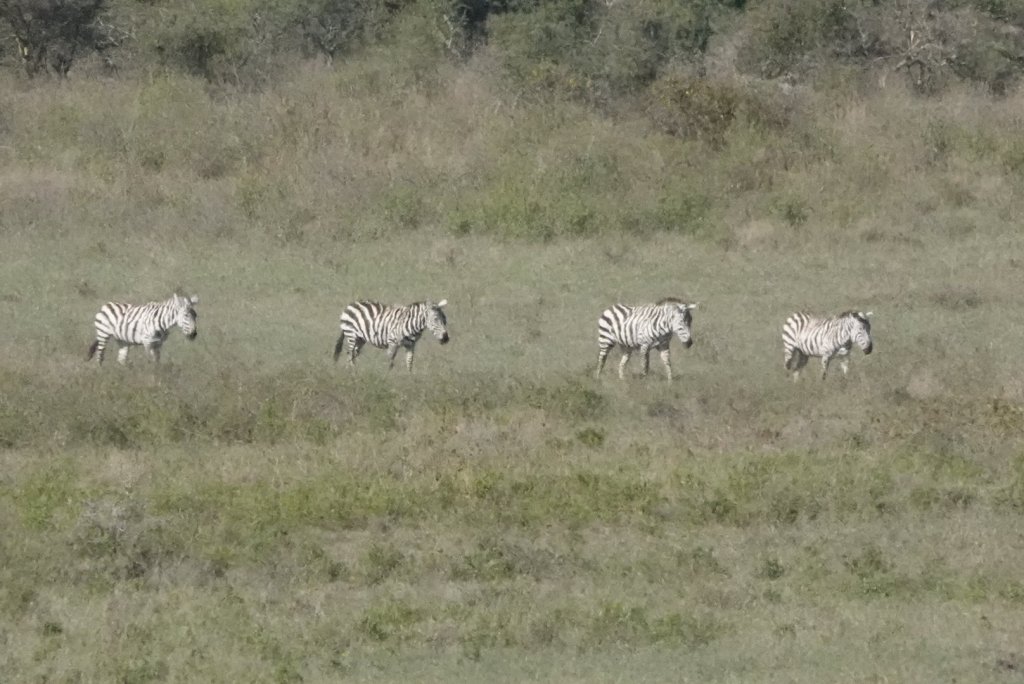
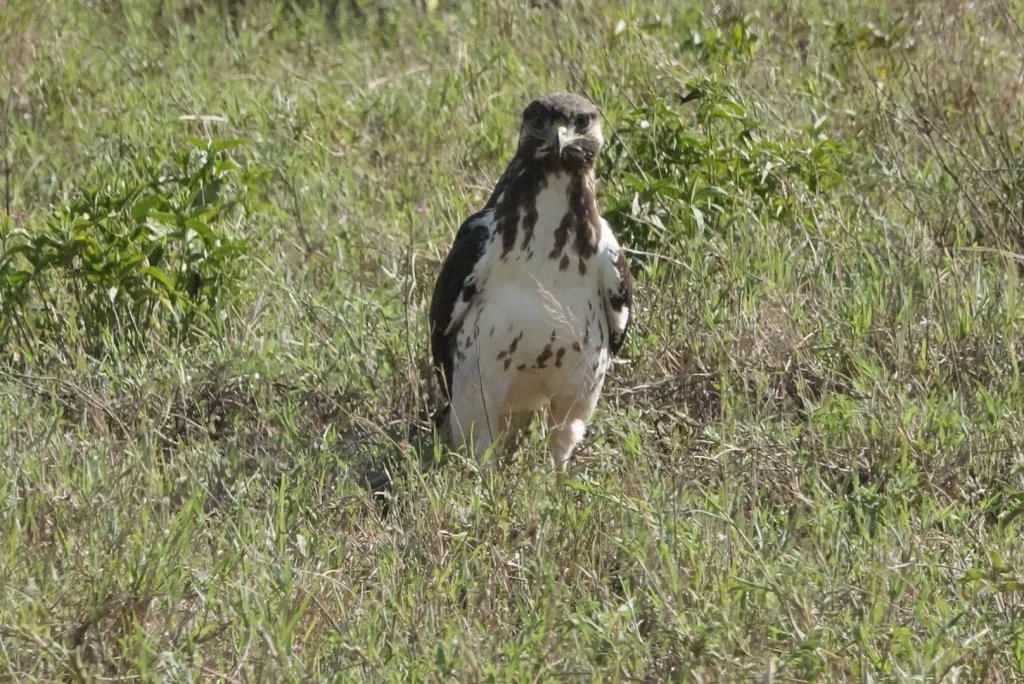
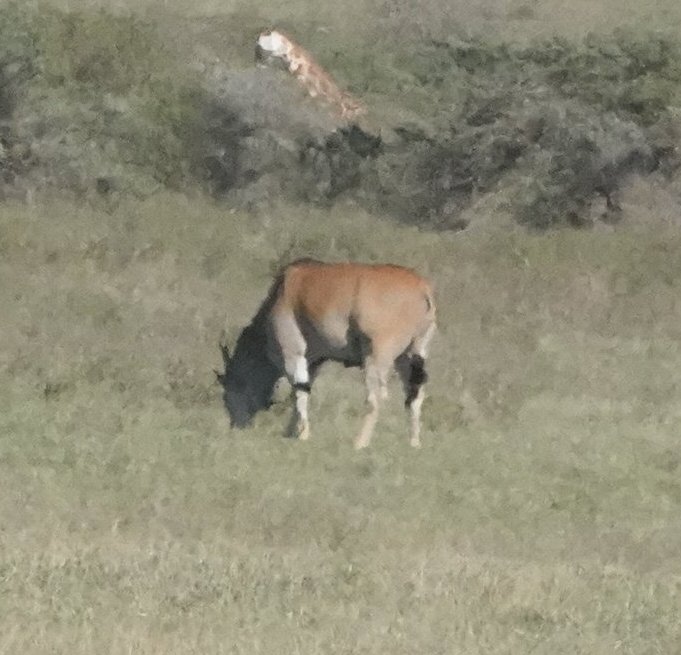
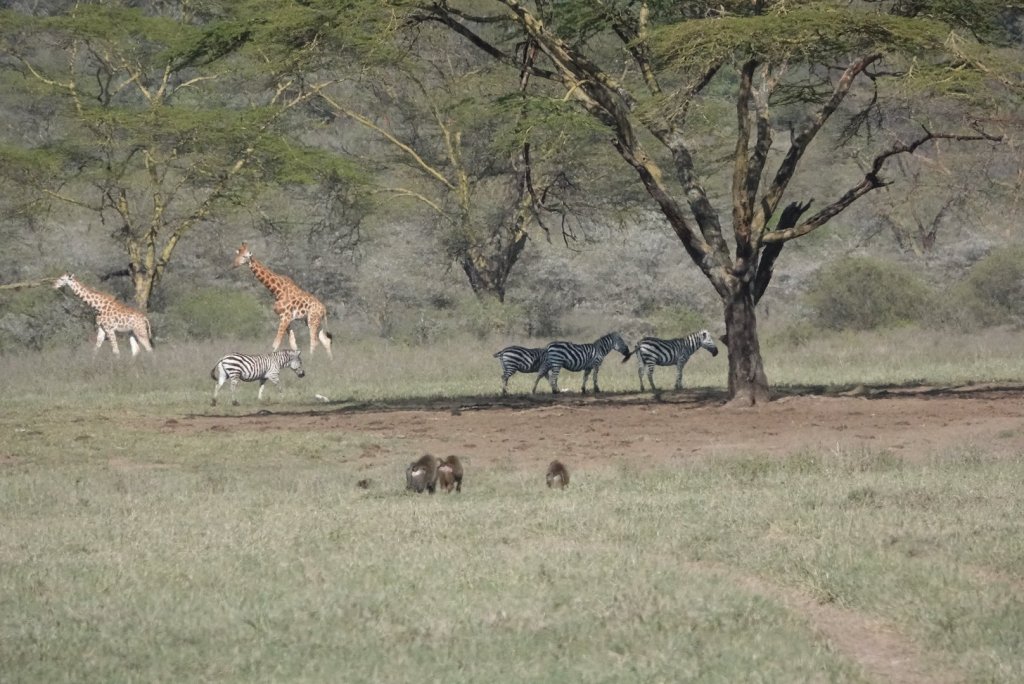
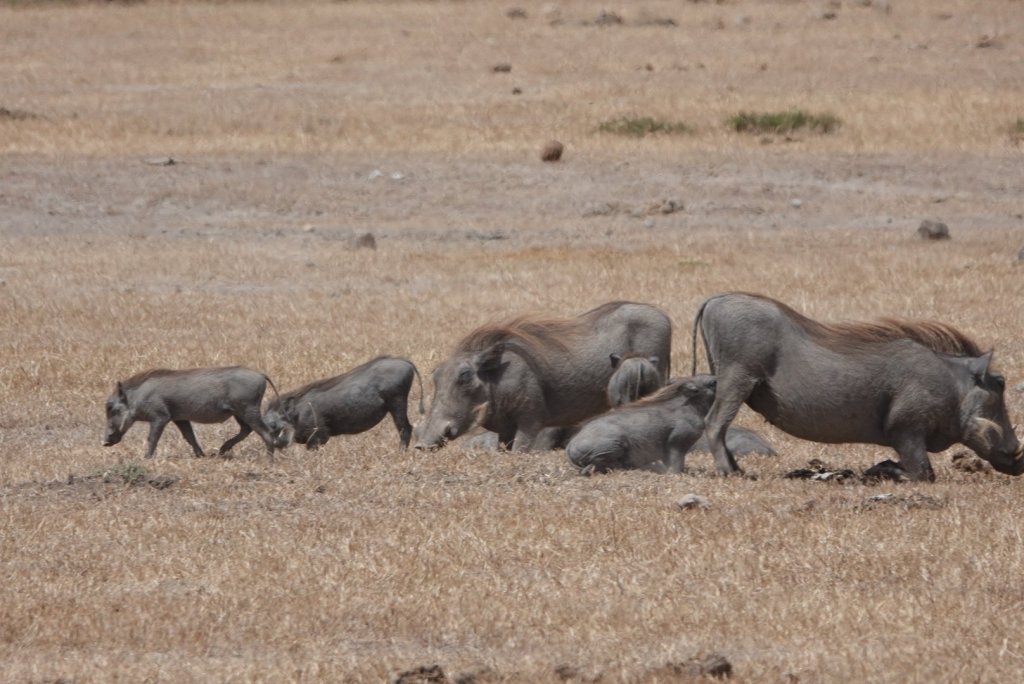
The panorama, to small to see the groups of animals, so here they are left to right.The impala, againBaboon troupPumba familyThe 2 black rhinosCommon Zebra3 young eaglesA large “tower” of Rothchilds giraffe, over 20
What an amazing sight … without moving the safari vehicle we could watch all these animals.
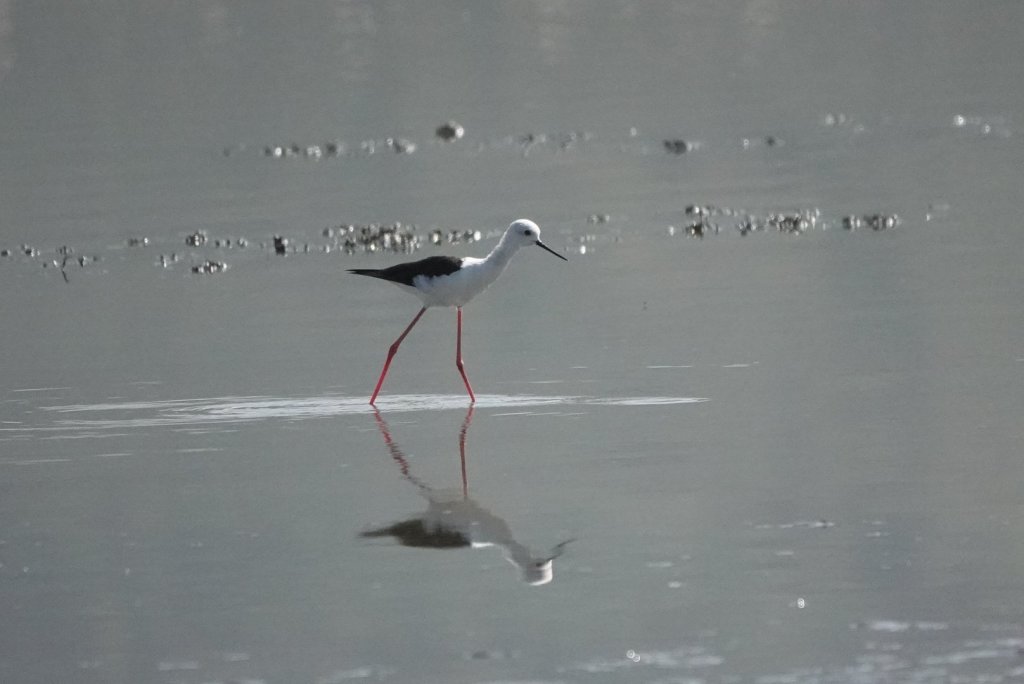
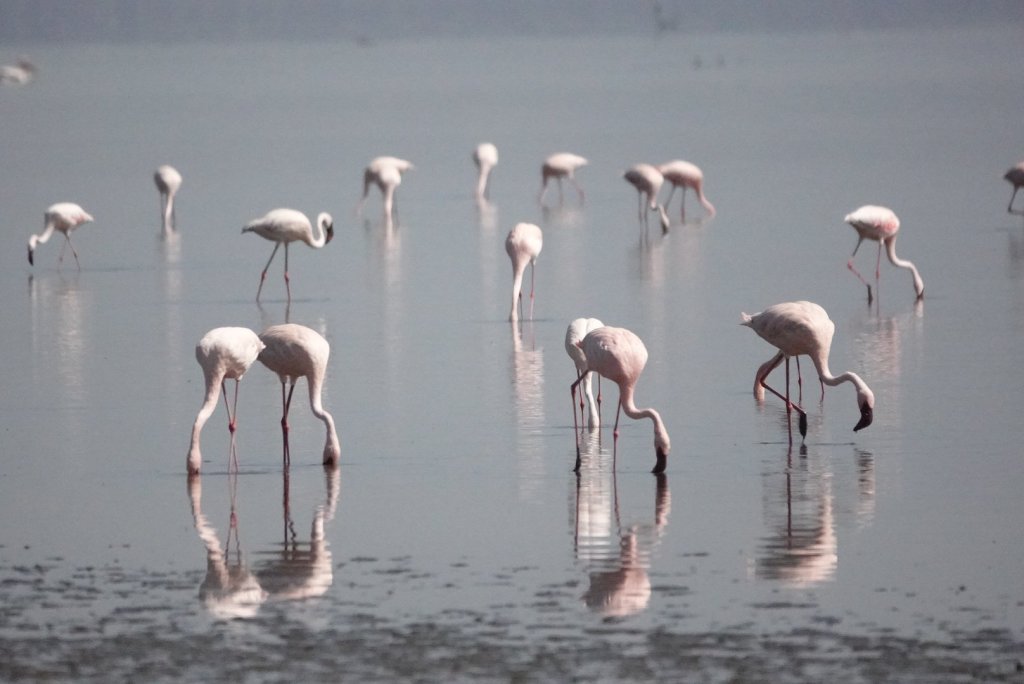
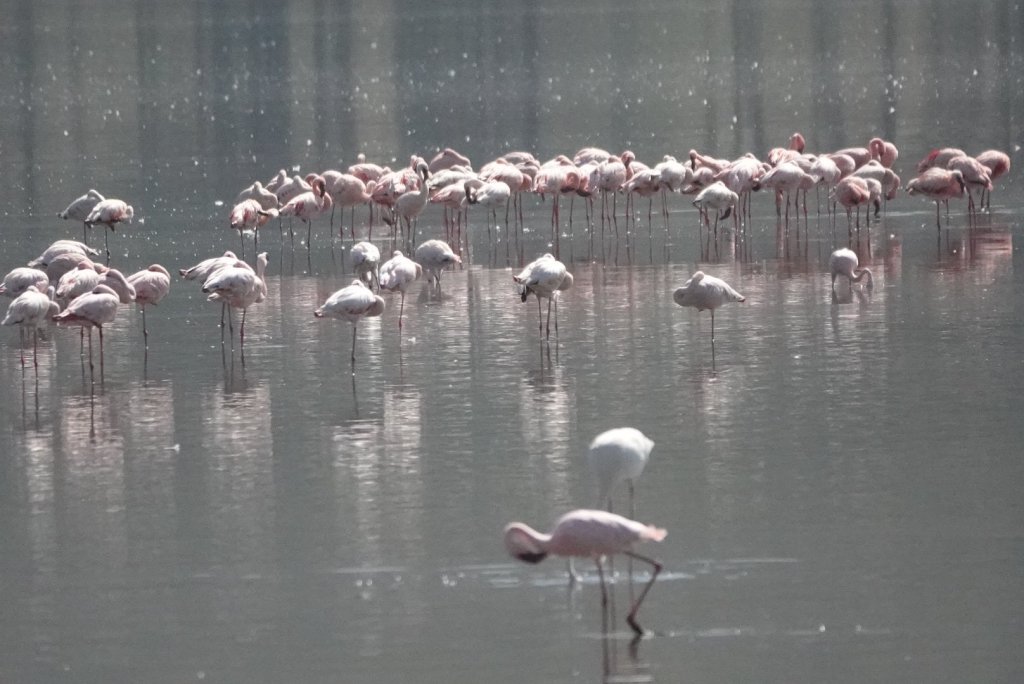
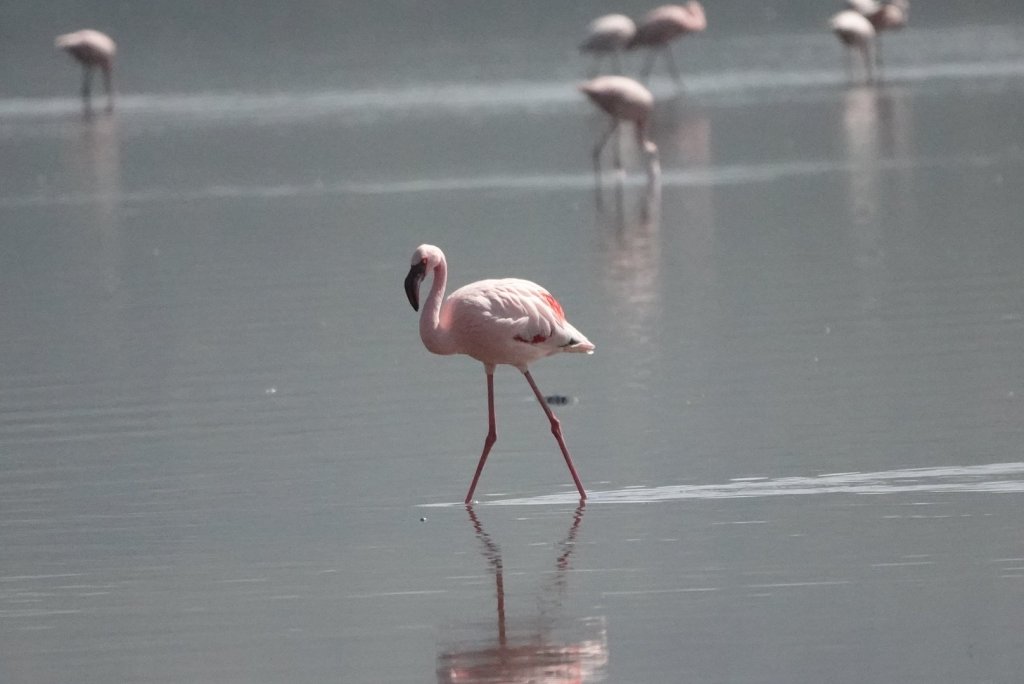
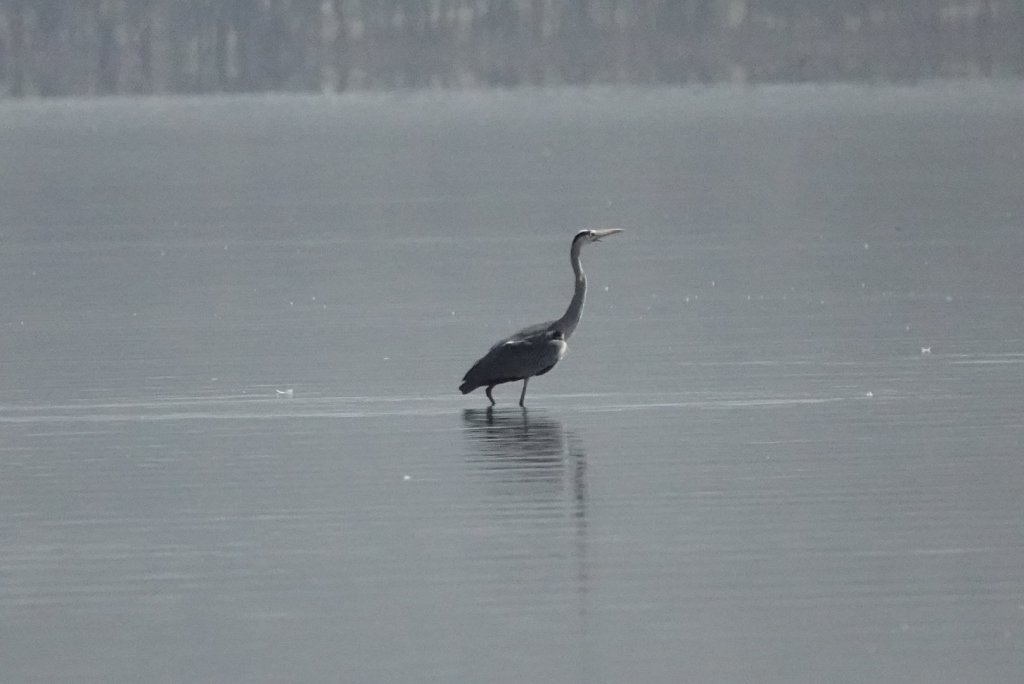
As we left the park on our way to Lake Naivasha, we stopped at Lake Nakuru for the flamingo flock, some herons and plovers.
You remember the duffles bags we packed with gifts? On our way to Lake Nakuru, we stopped at an interfaith orphanage for abandoned HIV positive children. We brought soccer balls, pens, toy cars, jump ropes, and more. Spent an hour as the children sang and the caregivers told us the heartbreaking story of the need for such an orphanage.
We brought them 10 small testaments in Swahili and 1 English BibleThe children loved the small toys
It was a very moving and rewarding stop! Our guide, “Uncle Tony” to them, has a connection to this orphanage and set up our visit for us. We are very grateful for the opportunity. I hope and pray each small gift blessed someone there, and we pray for each of those 105 children in their care and the wonderful caregivers.
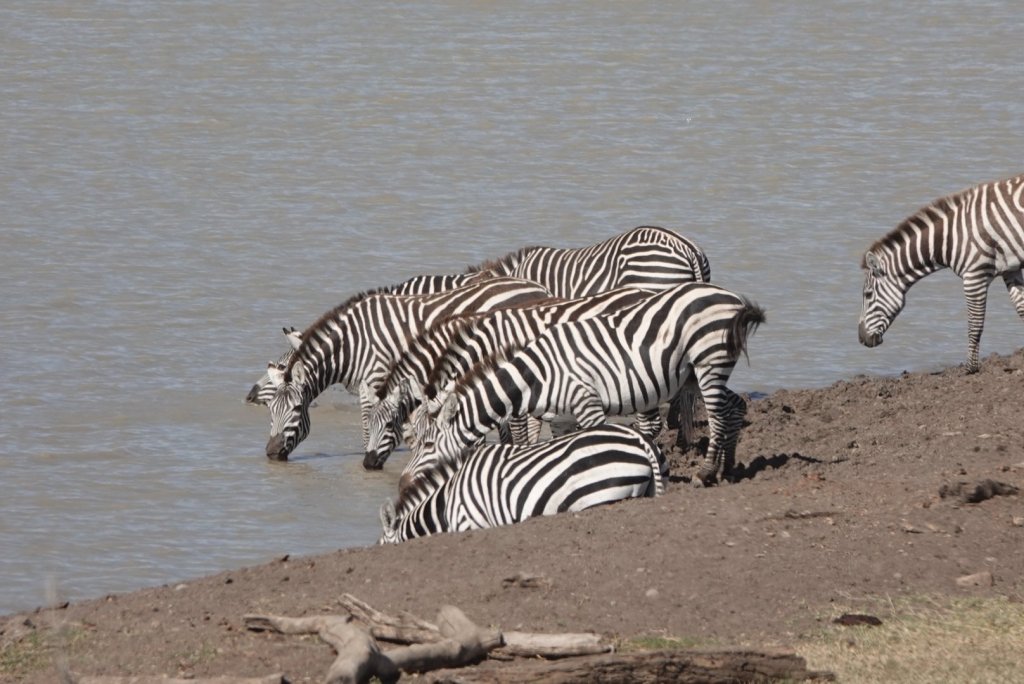
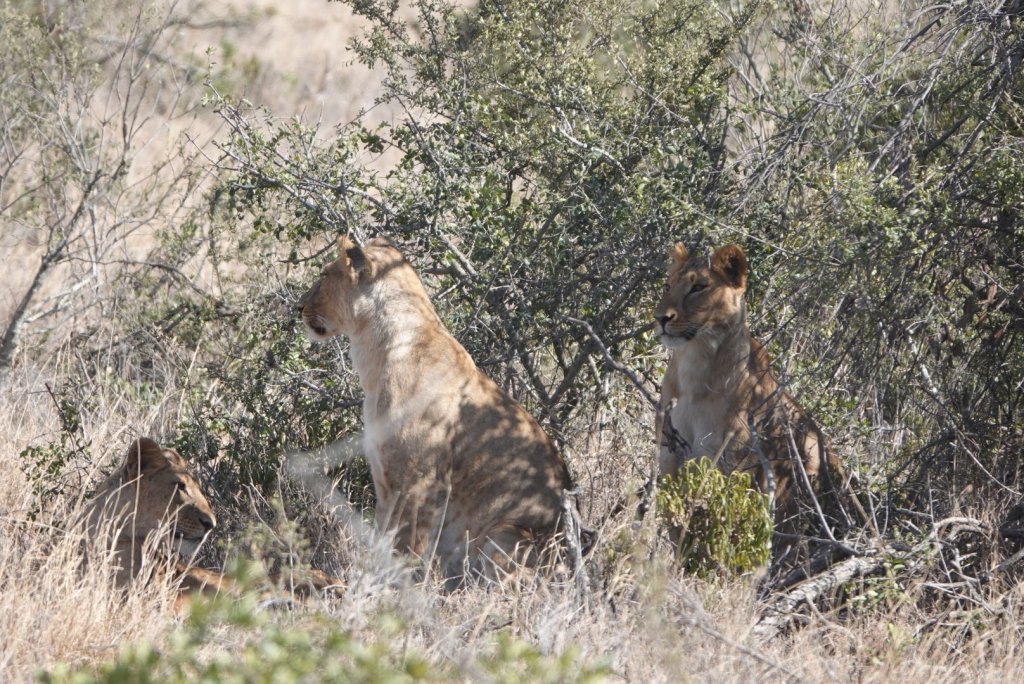
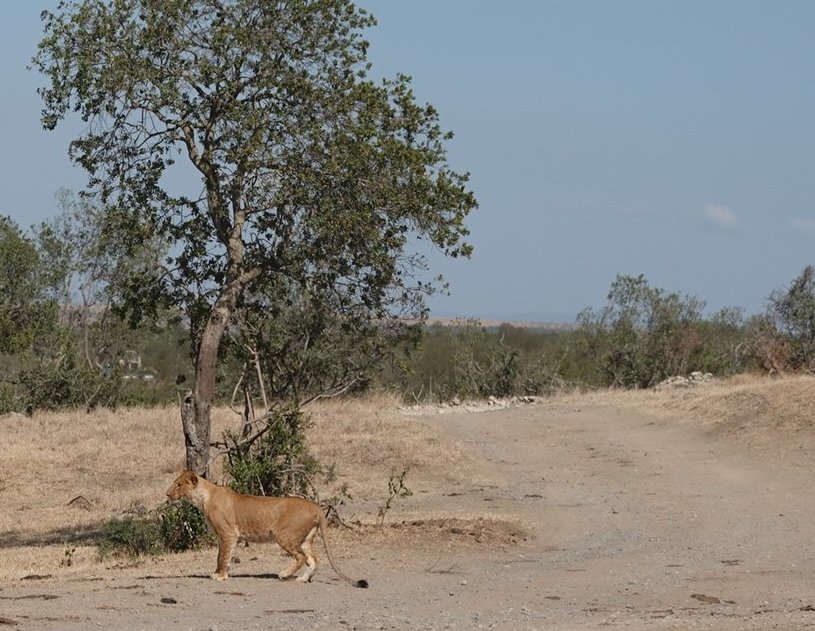
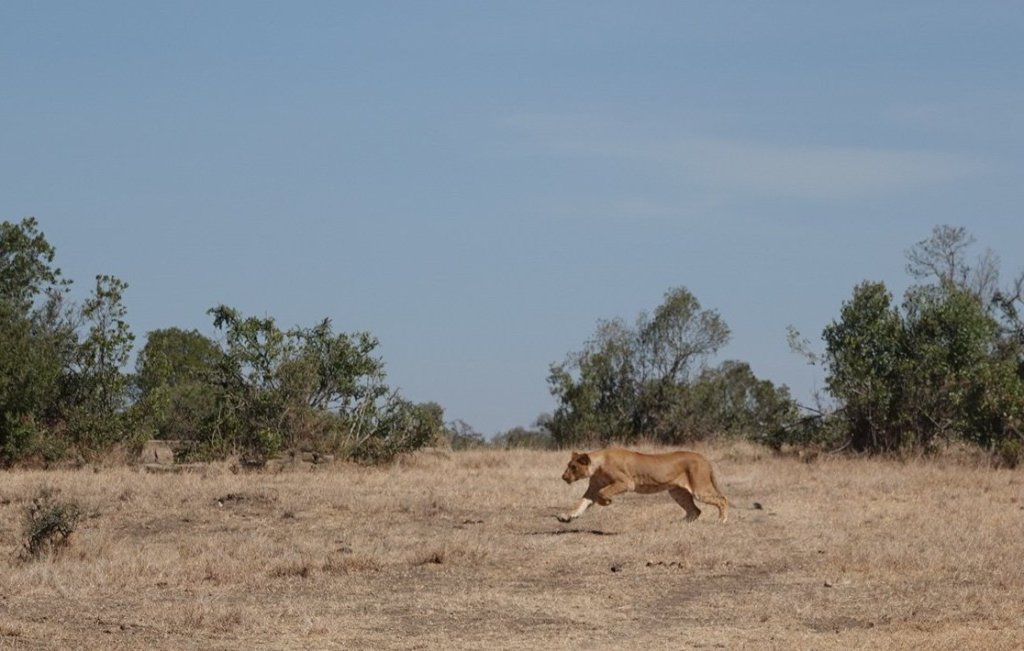
On our way to visit the chimpanzee rescue center, our guide Antony heard about a pride is lions at a large reservoir, watering hole. We arrived when there were Zebra drinking and 4-5 lionesses watching and waiting.
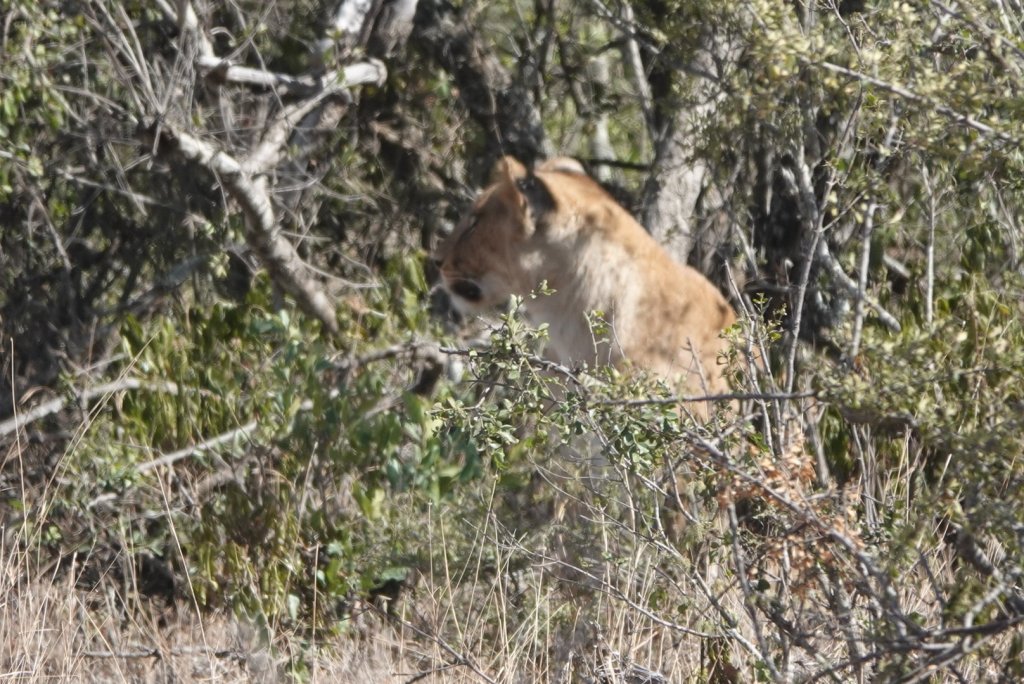
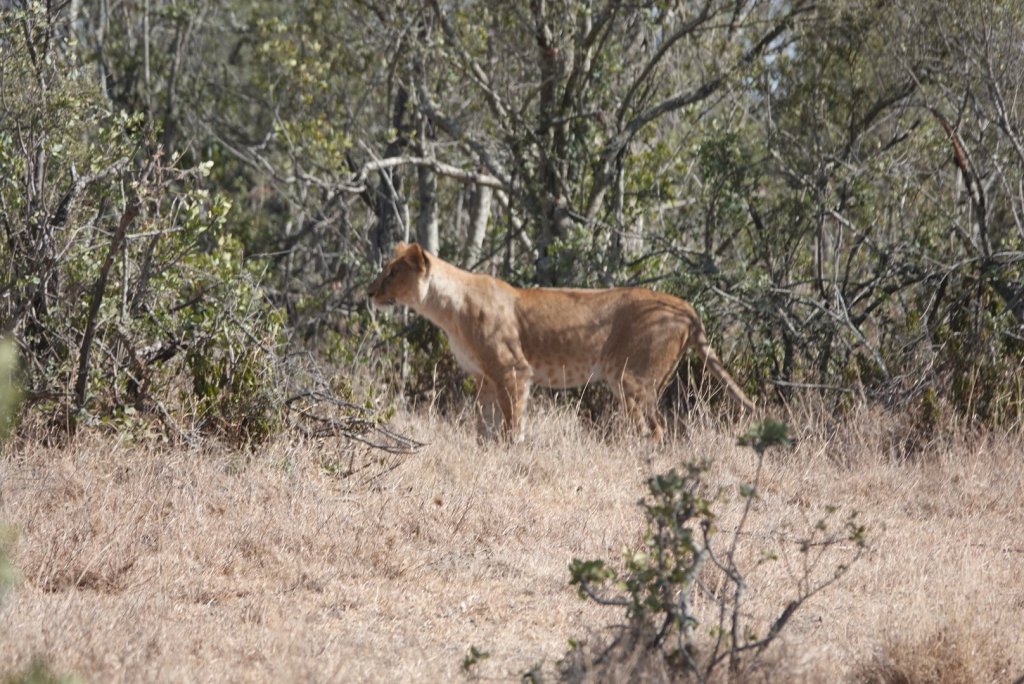
They were hiding in the brushAnd 1 ventured closer
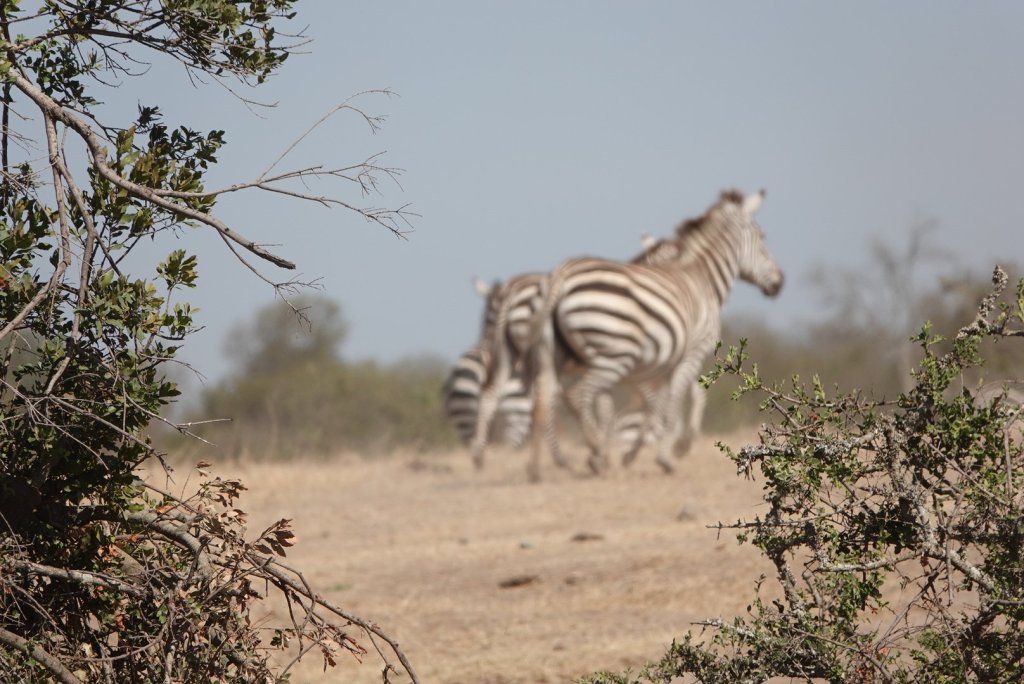
The Zebra suddenly noticed her, stampeded away, but a couple wondered back, alone, and a perfect chance for the lions to charge! She missed them, but it was exciting to see an attempted hunt!
The stampedeWhere did they go?On the attackThe escapeesFoiled again!
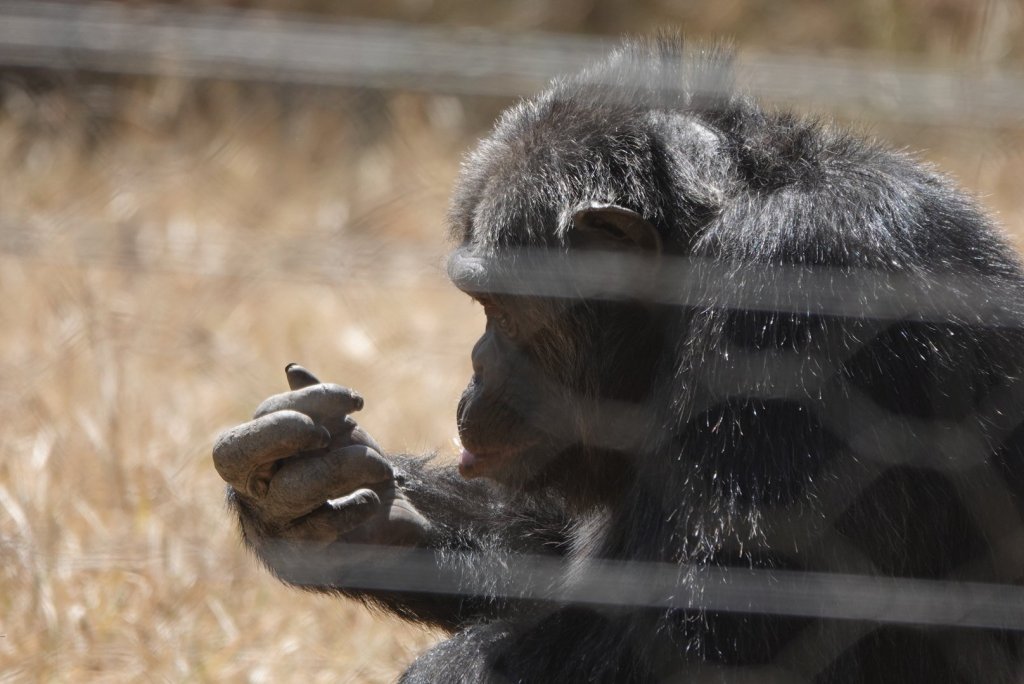
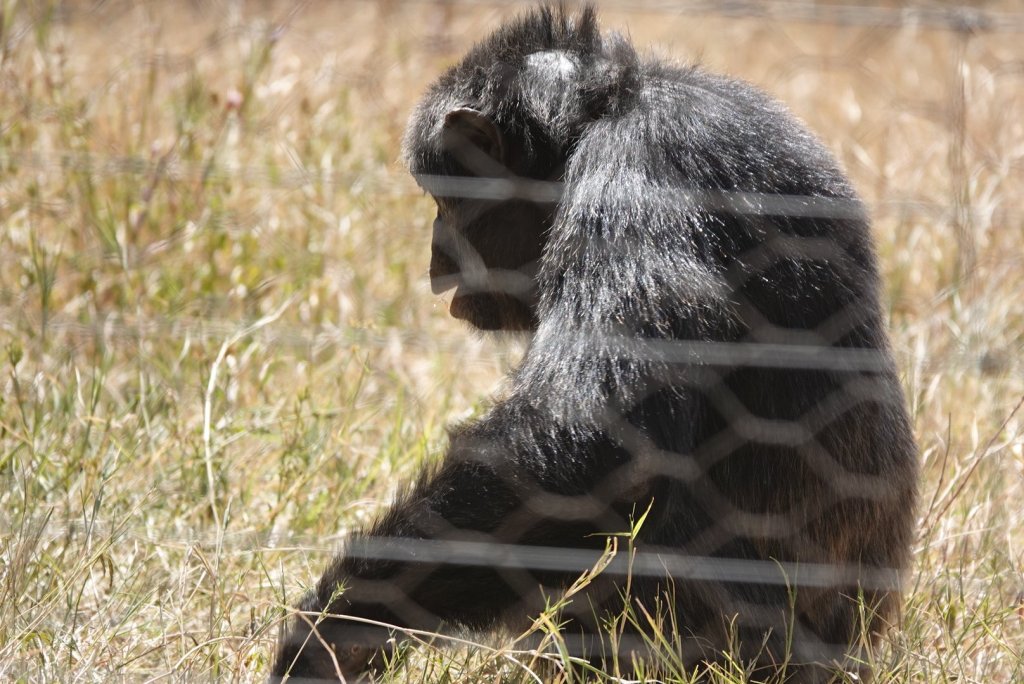
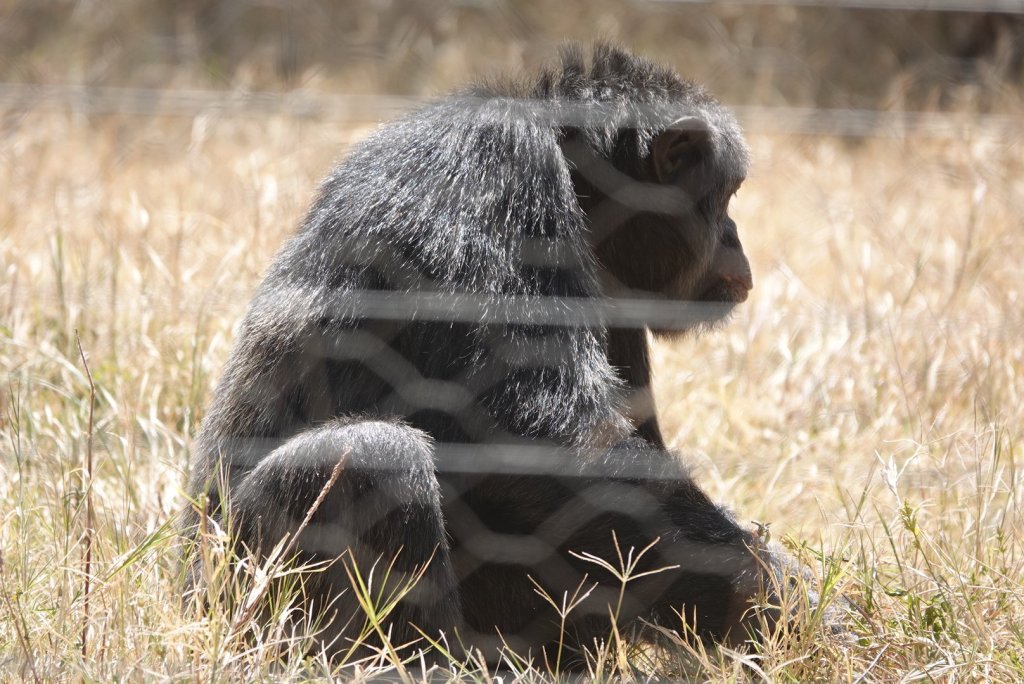
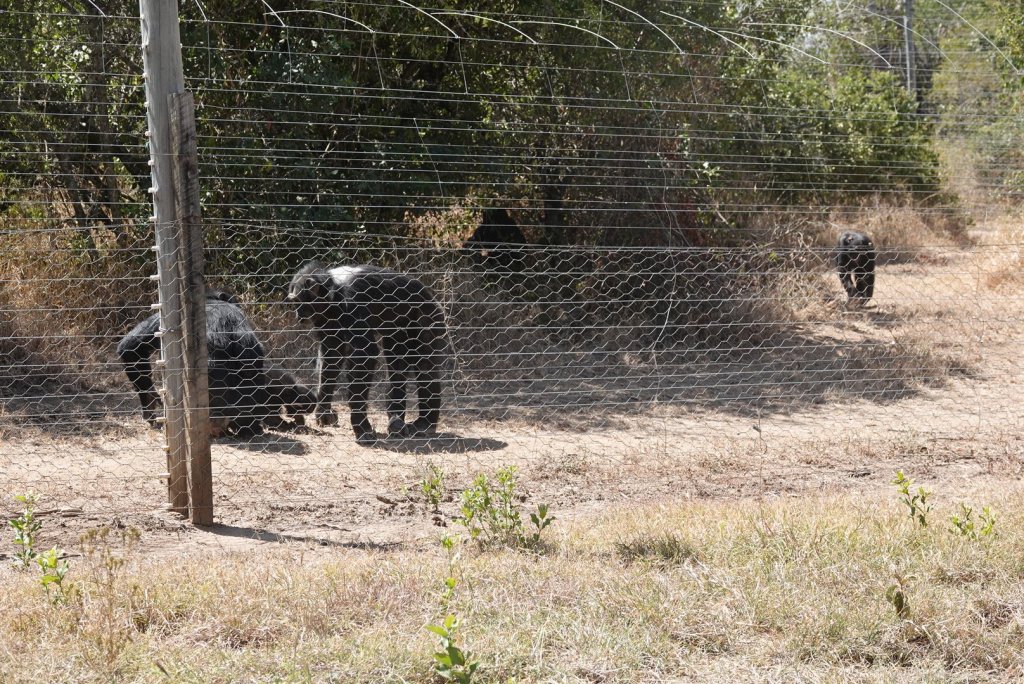
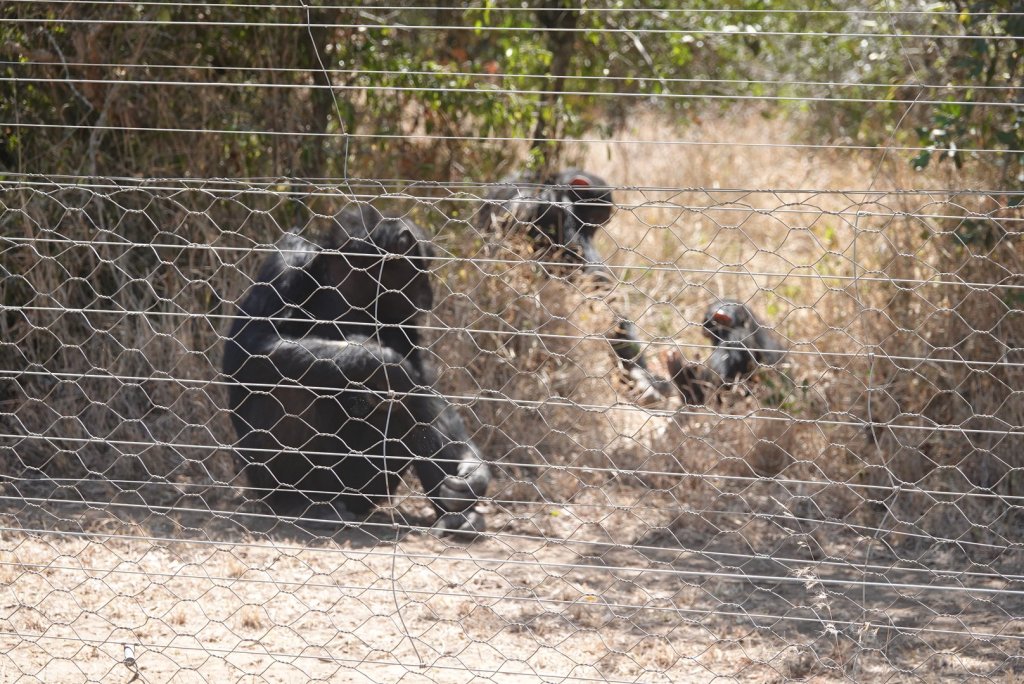
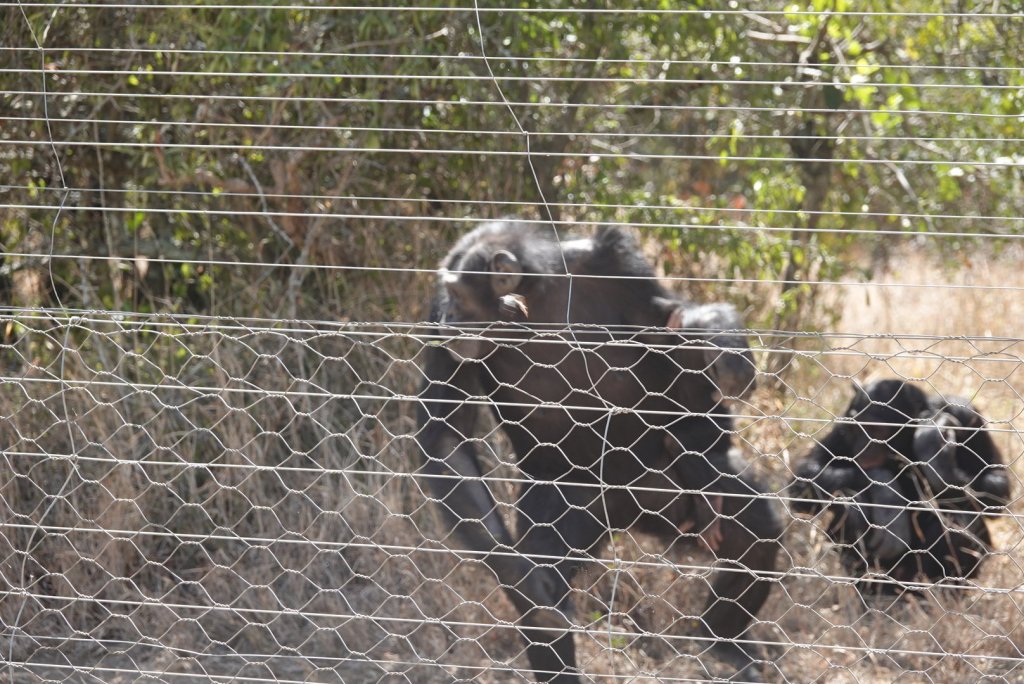
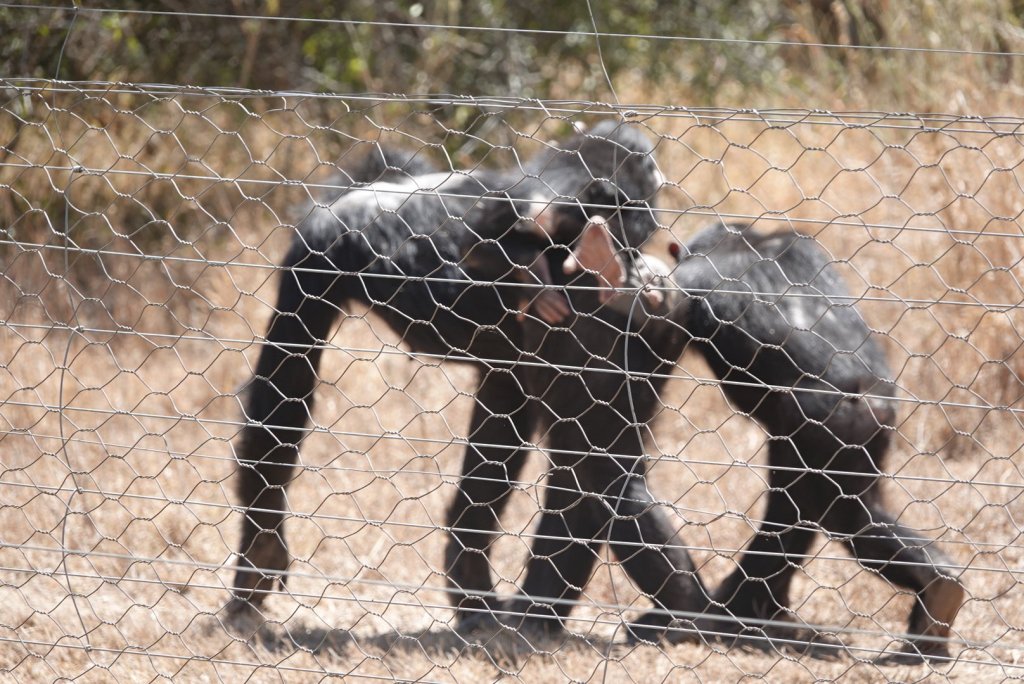
We visited this center today and we able to observe a few of the chimpanzees who have been rescued from human situations over the years since it was established by Jane Goodall in 1973. She started with 3 chimps, brought another 9 a couple years later, and over the years, the population in the Sanctuary has grown to 35. Five young have been born, showing these abused and damaged animals are recuperating, living a more normal life than the situation from which they were rescued. Six were found in a box when an attempt to smuggle them out was thwarted at the airport… but 2 died. One was living in a very small cage for 9 years at a gas station. They are learning to be chimpanzees again in a healthy environment, but they will not be able to be released. Because of the psychological damage they have experienced, it is feared they would not survive. Their nutrition is supplemented here, and they are cared for medically. They are not natural inhabitants of Kenya, more the jungle areas of Congo. It was a very interesting visit.
This is Z, an 18 year old male left in a pet shop, rescued 10 years ago. BTW, they leave a few peanuts in the grass along the fence as a treat to entice the chimps to spend time there.
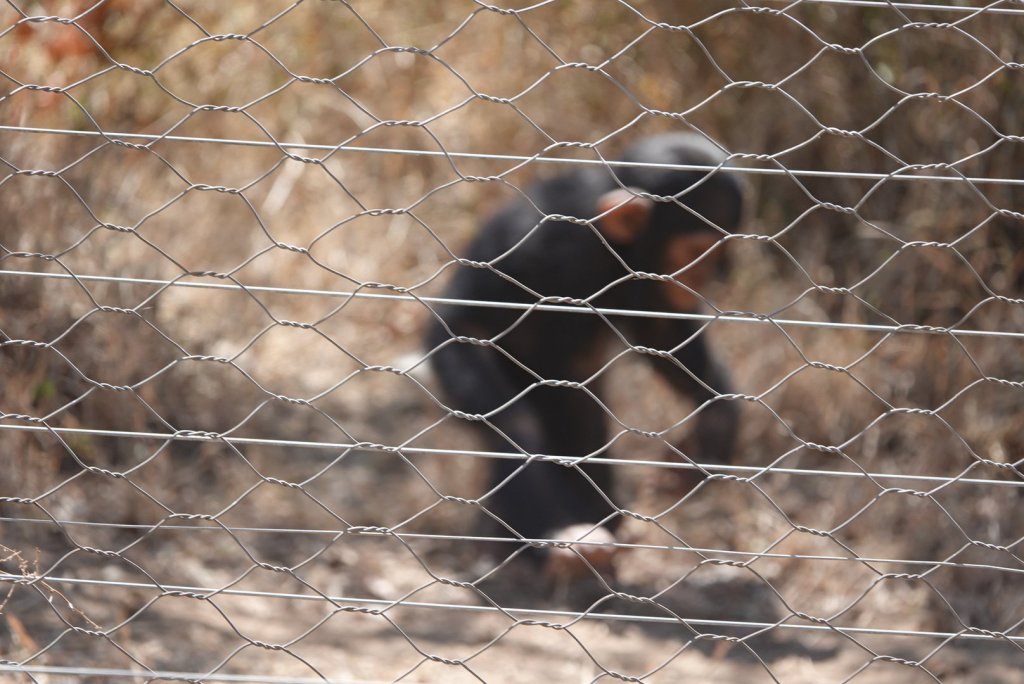
This is a group of 2 females and 2 young males, a 1 year old and a 5 year youngster.
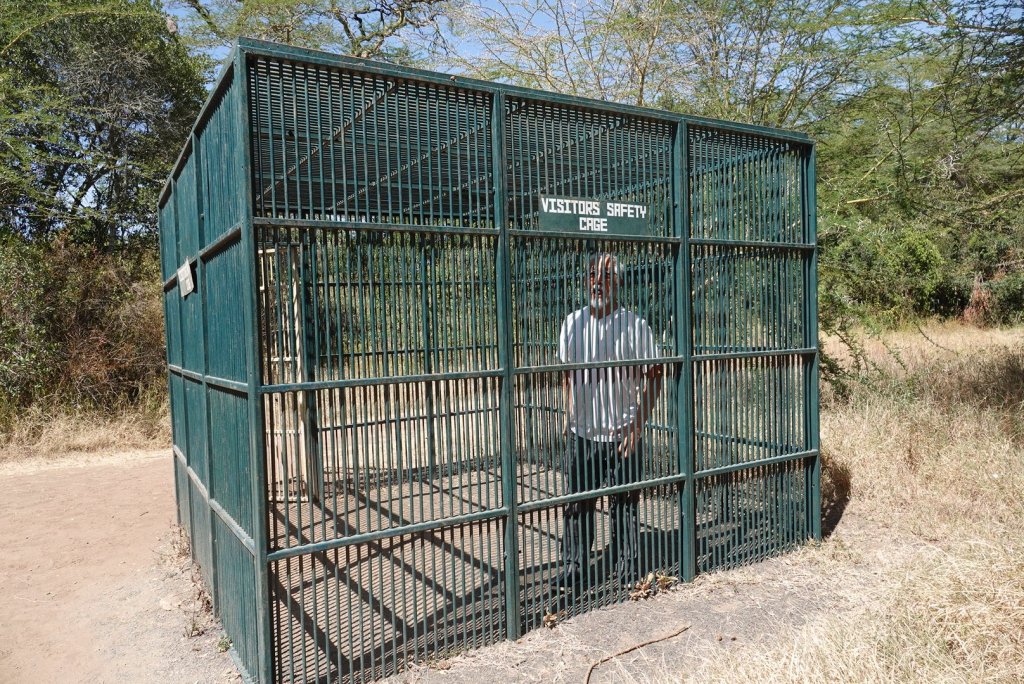
The enclosure for the chimps is for their protection as well as ours. Should one escape and be threatening, there is a safe space for us in the viewing area. Maybe schools need these safe spaces!?
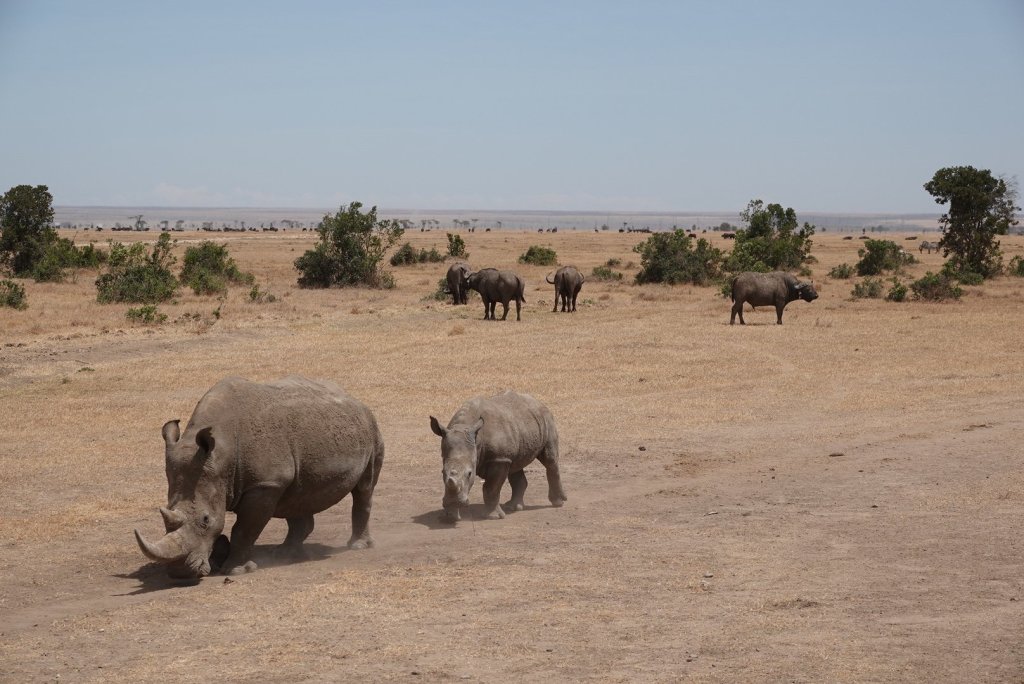
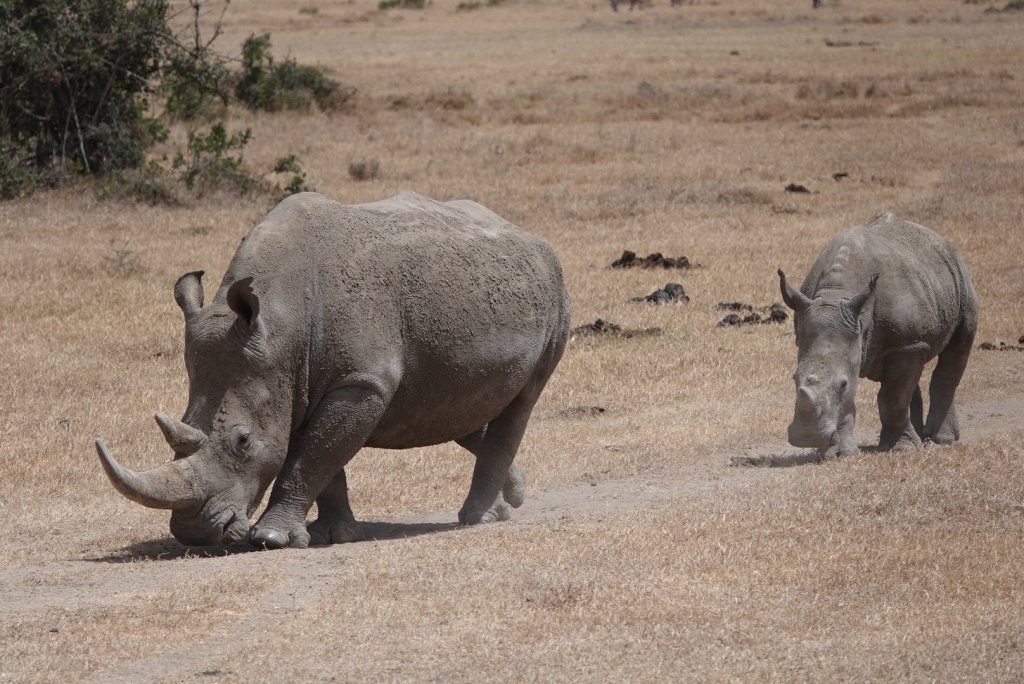
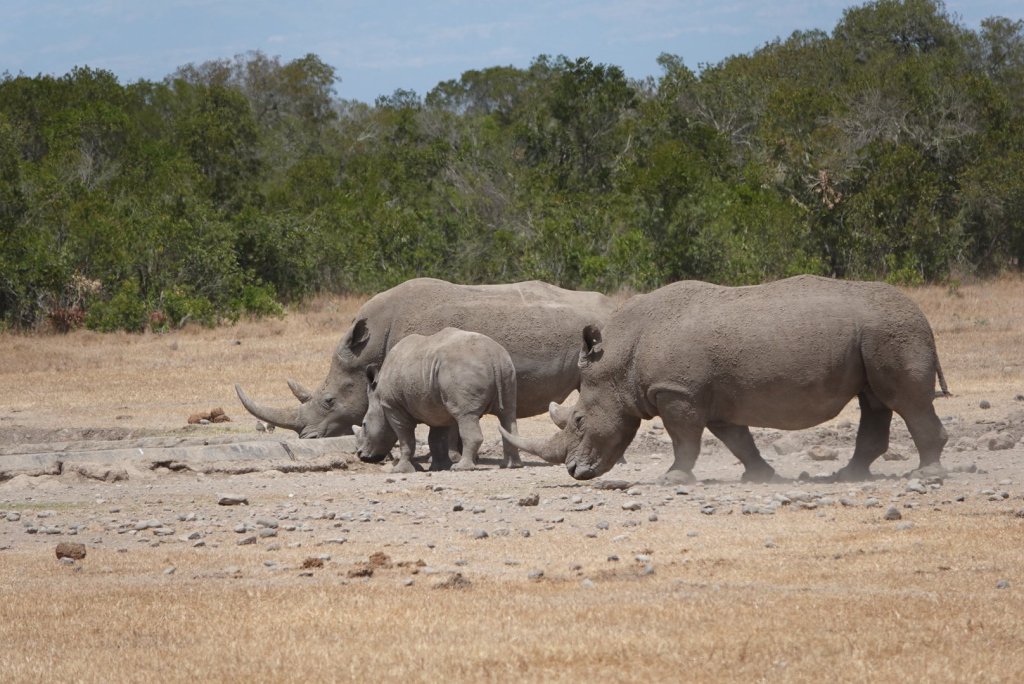
Known for the large population of Southern white Rhino and Cape Buffalo, we saw both in one scene as soon as we entered Olpejeta. There are still many Grants Gazelle impala, and antelop, plus some new ones we haven’t seen before here. The Zebra here are Common Zebra.
There are photos uploaded to our snug mug and it will have them added as we encounter new ones.
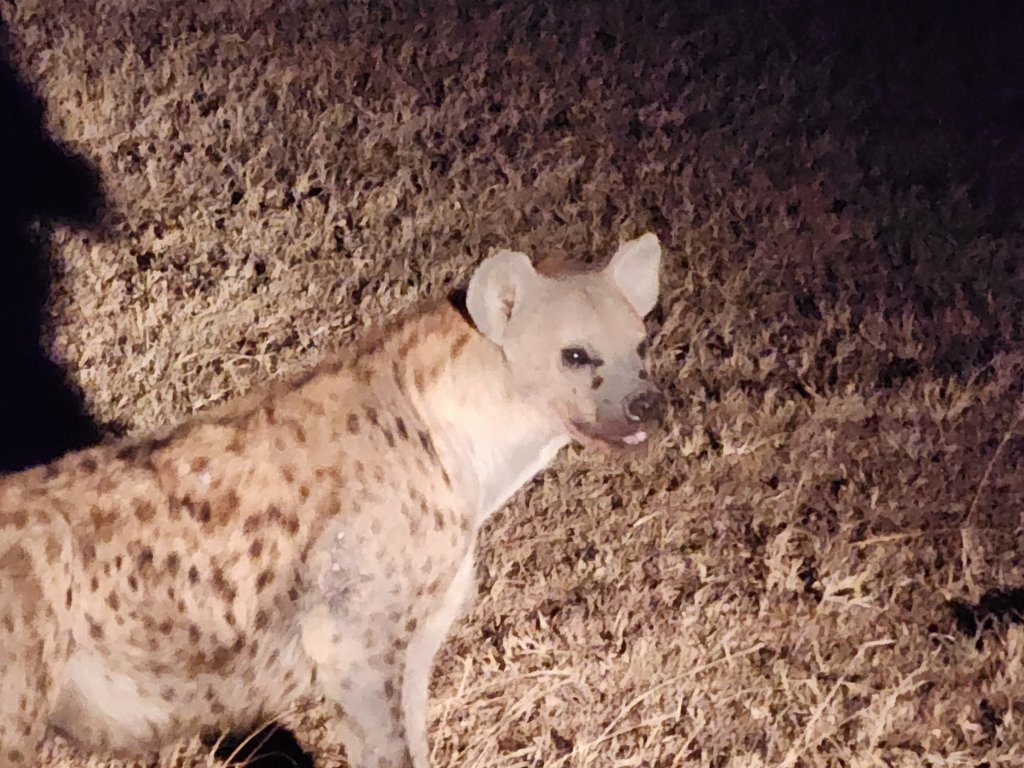
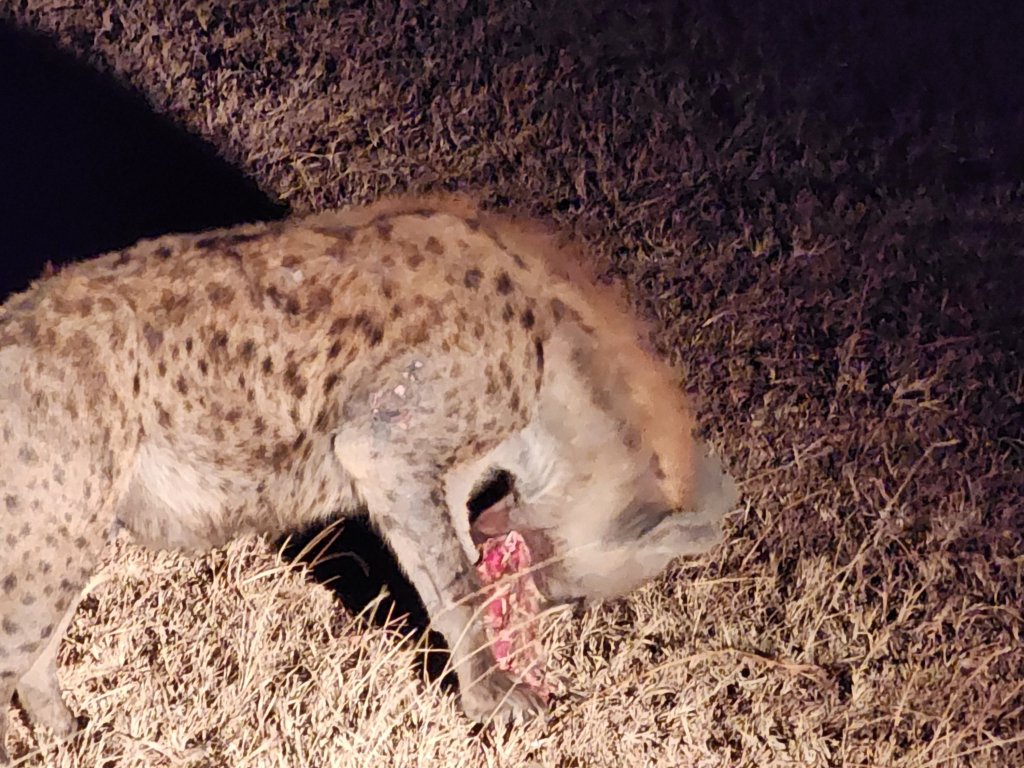
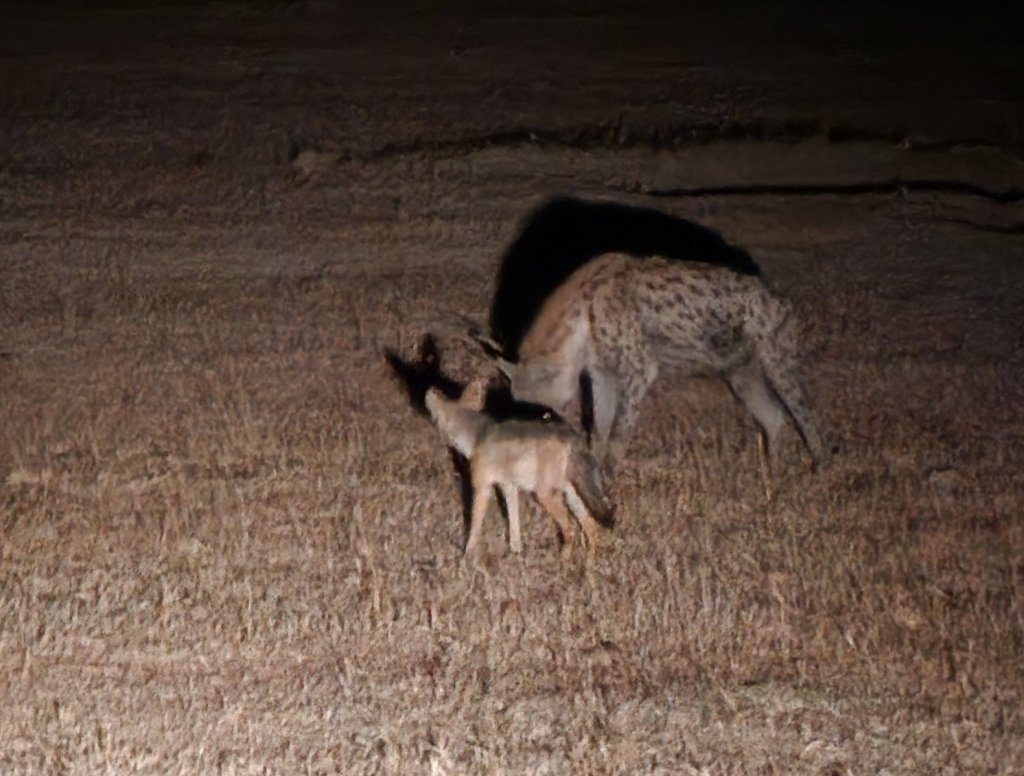
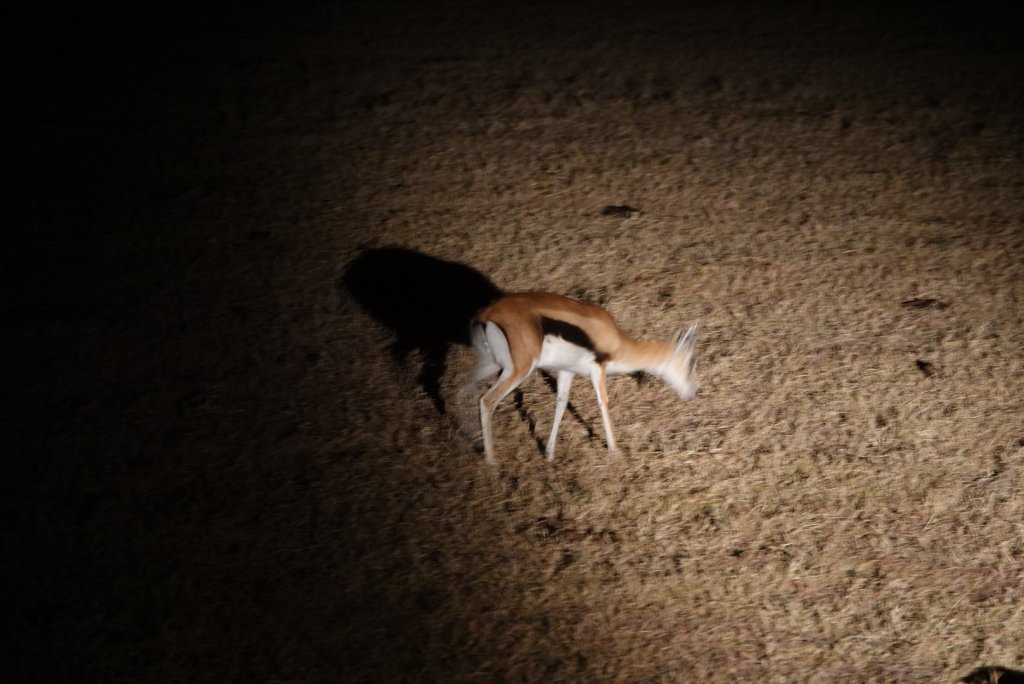
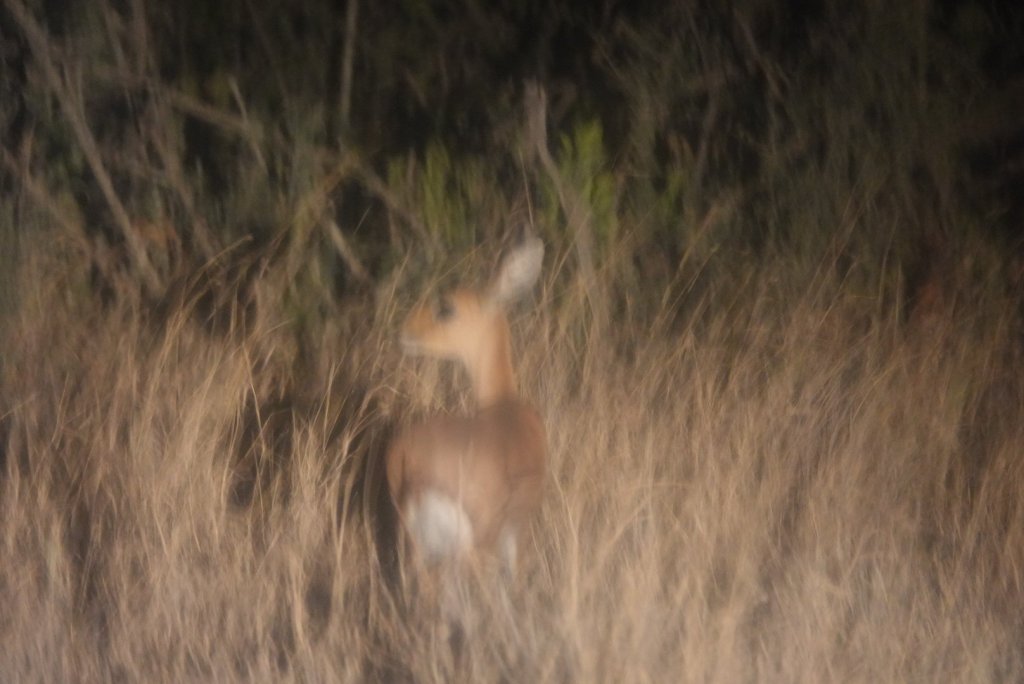
Tonight, we are took a night time safari drive. We missed the lions, it seems they had a kill yesterday and we sleeping it off! But we did see hyenas and jackets finishing off the remains of a Zebra
Can you hear the bones crunch?
We also had a sighting of a very elusive stripped hyena, but he wouldn’t pose! Fabulous day in Kenya!
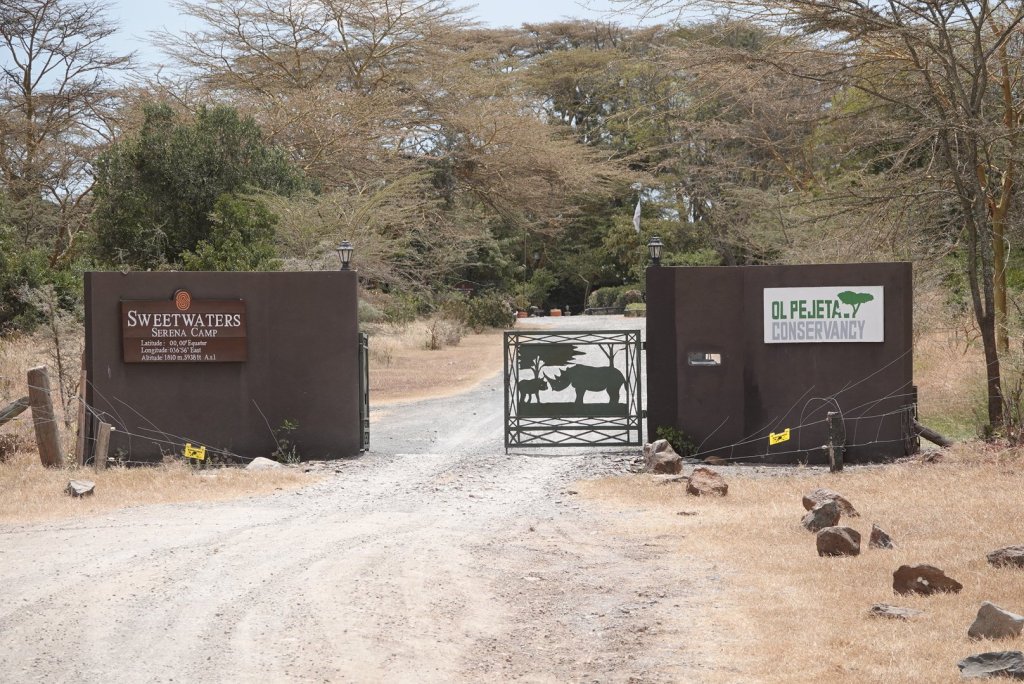
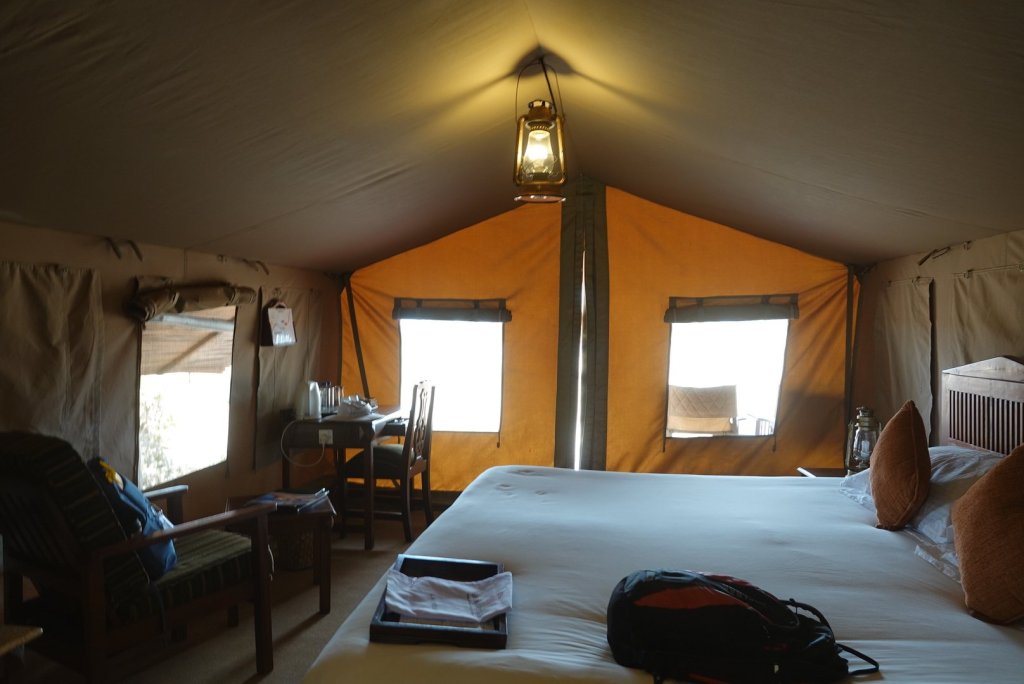
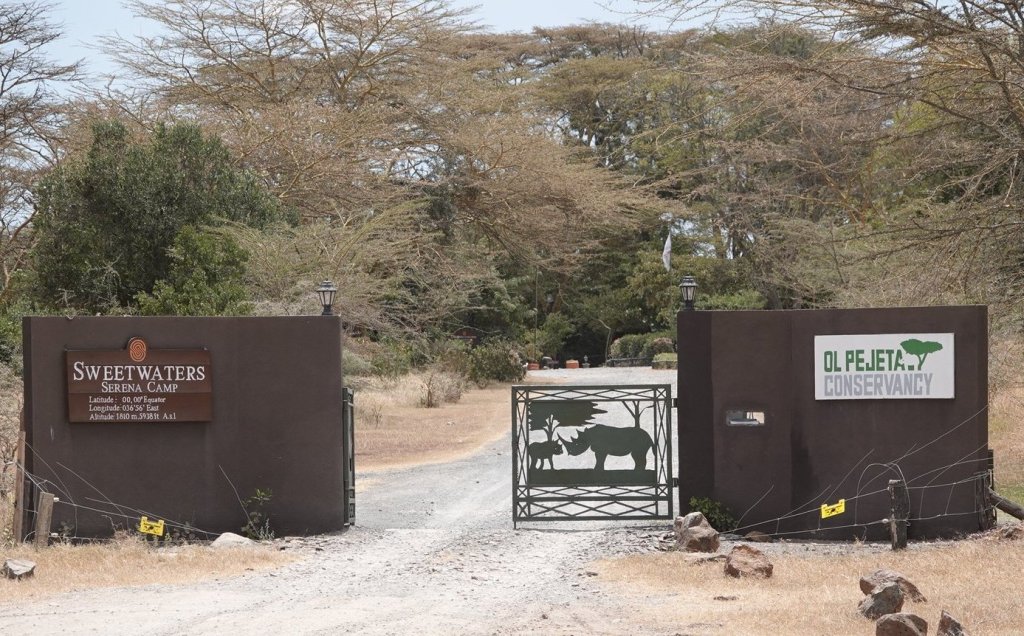
Today, we left Samburu for the Olpejeta Preserve, and Sweetwater Serena Tent Camp. Our new camp is inside the preserve so when we leave for game drive we are already in the park
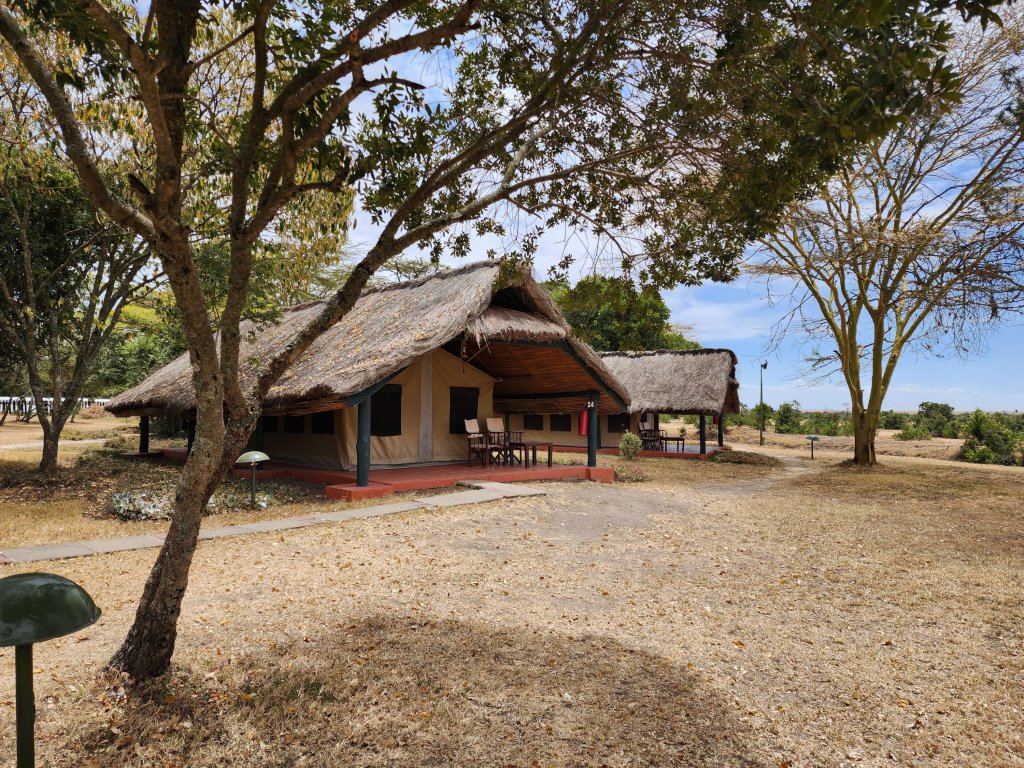
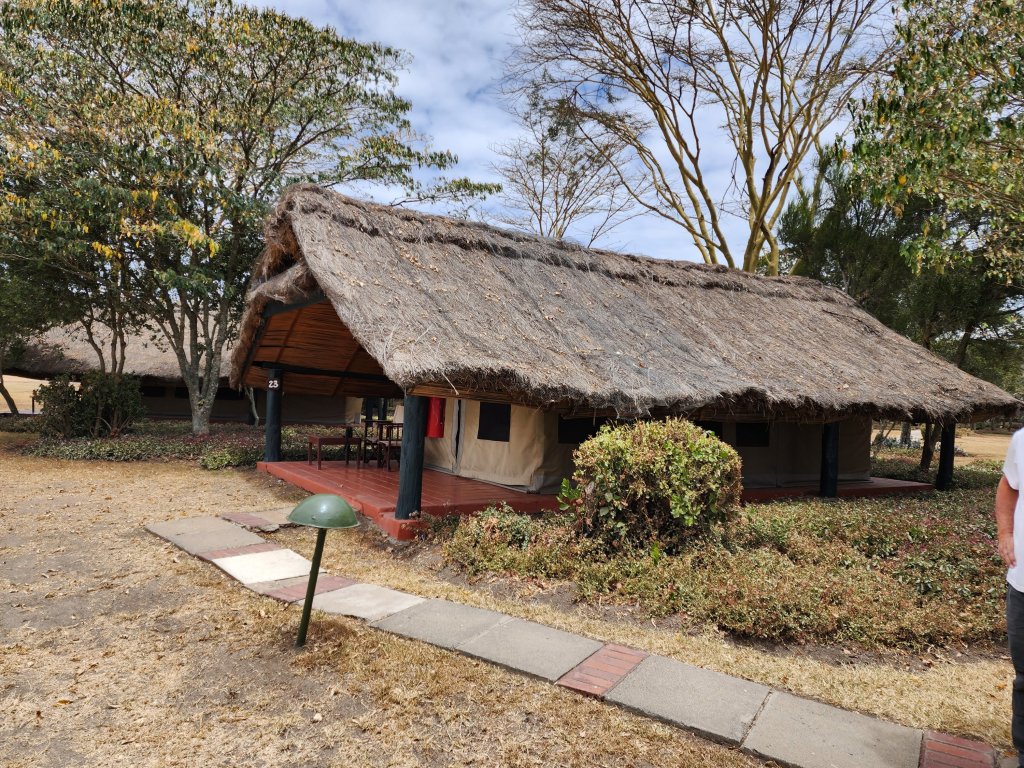
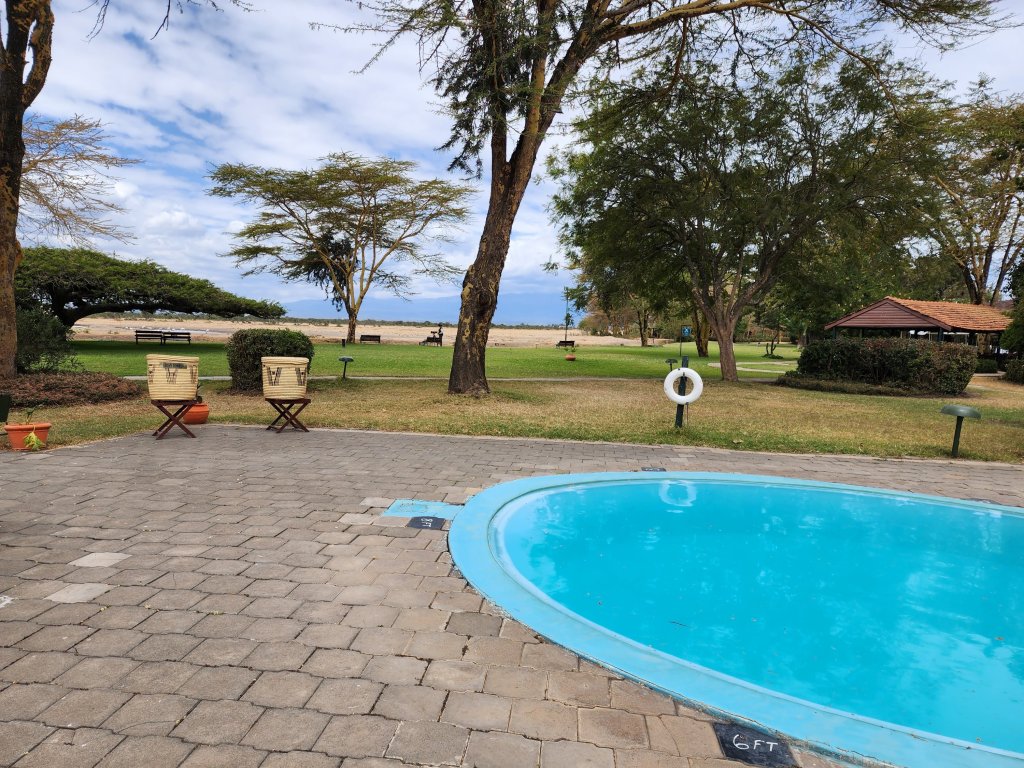
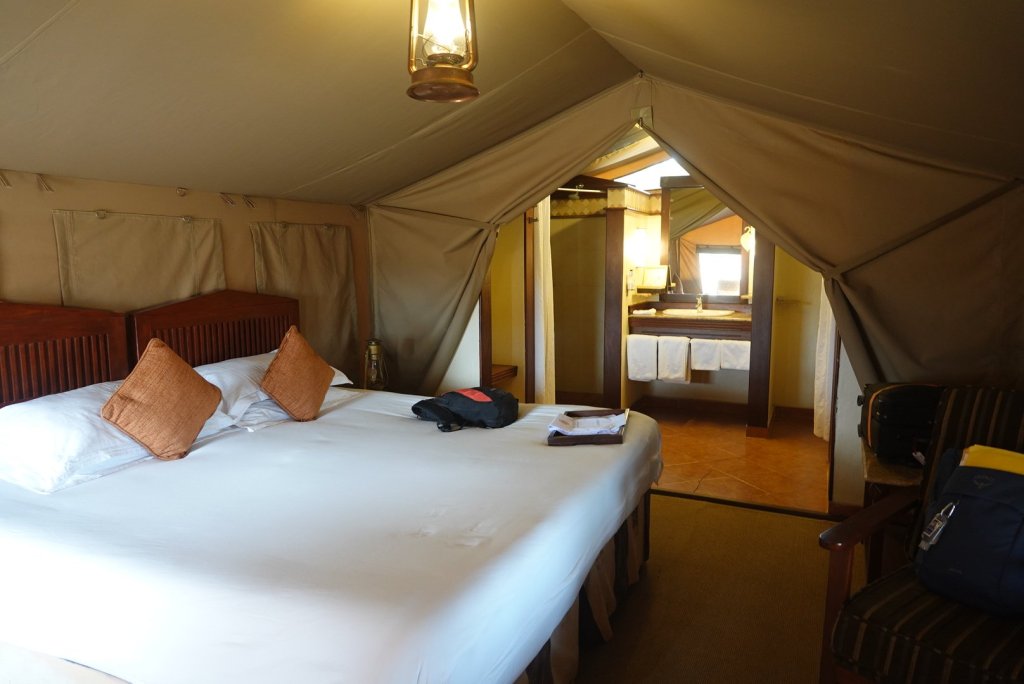
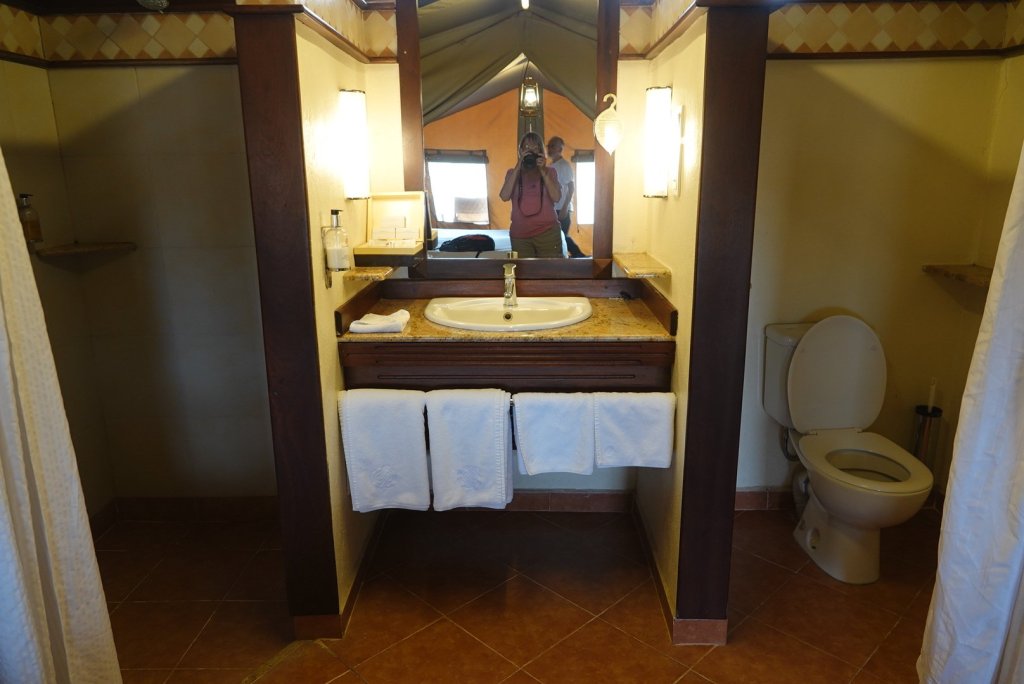
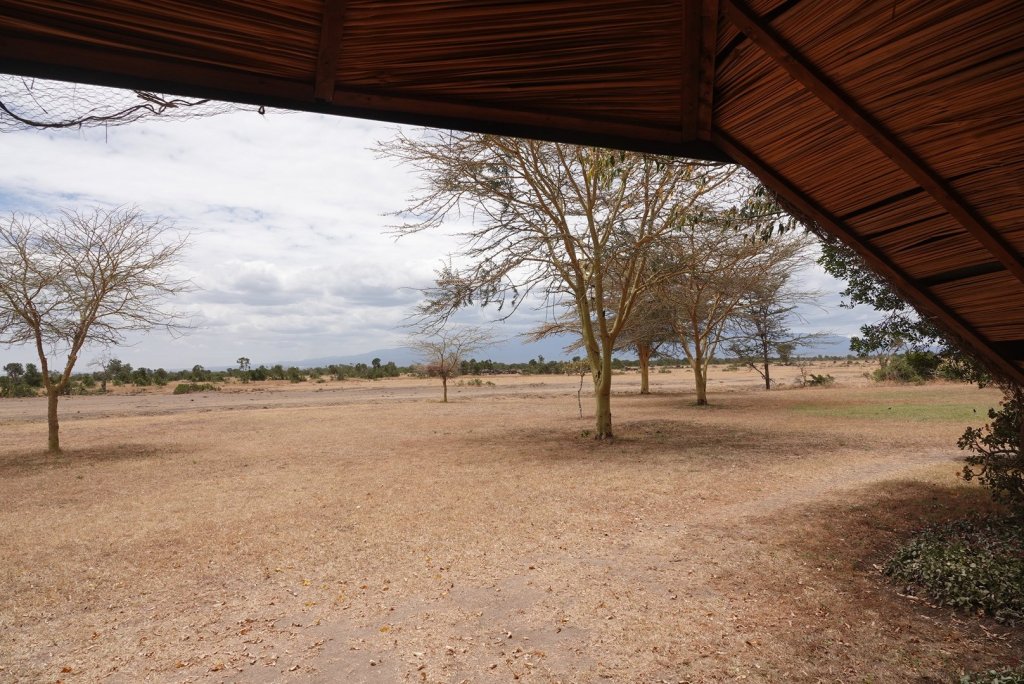
The camp gateCheryl and Bert have tents next doorOur tentThe view of the watering hole from the poolInside our tentThe view from our front porch!
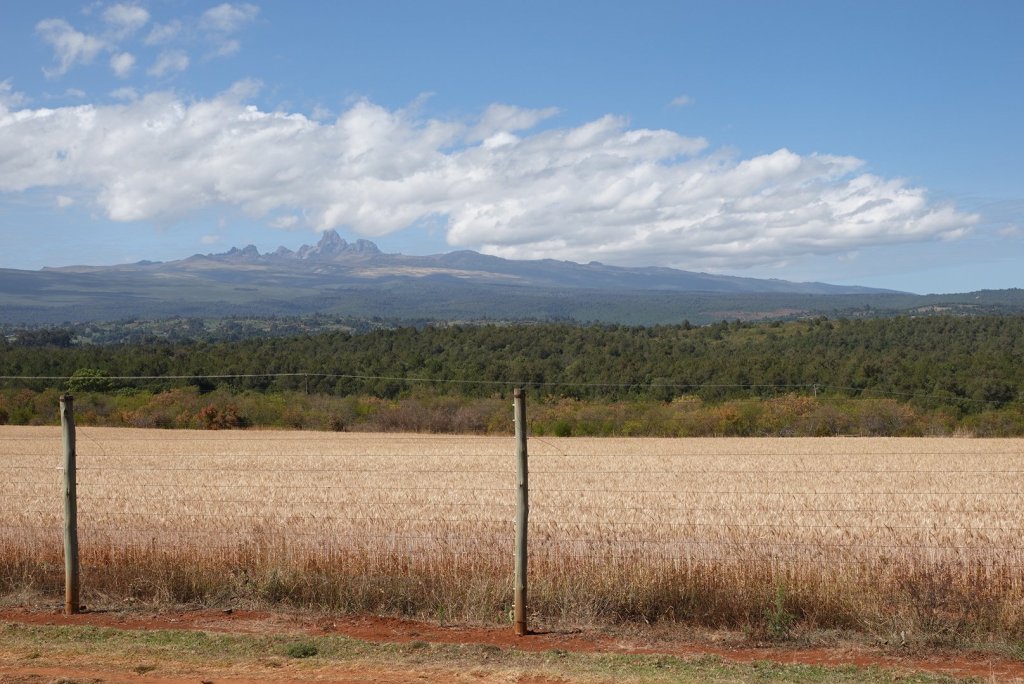
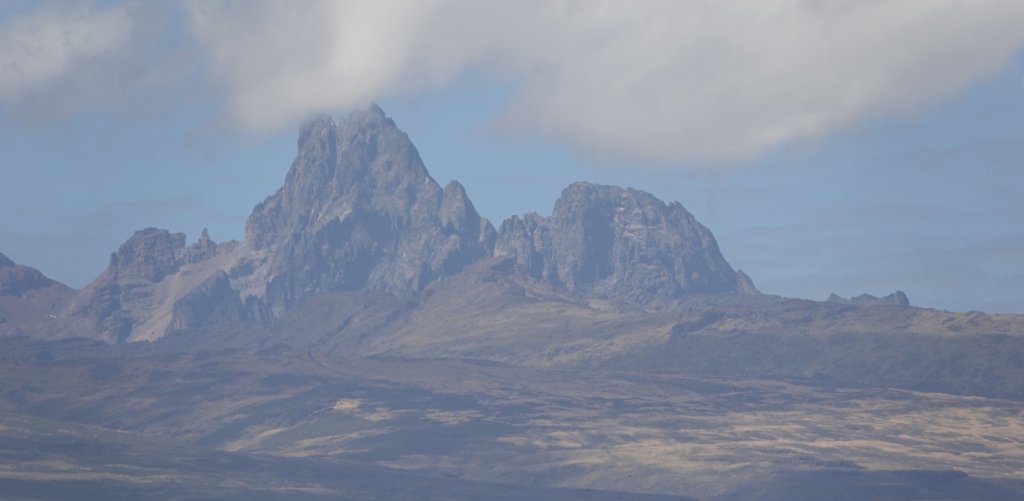
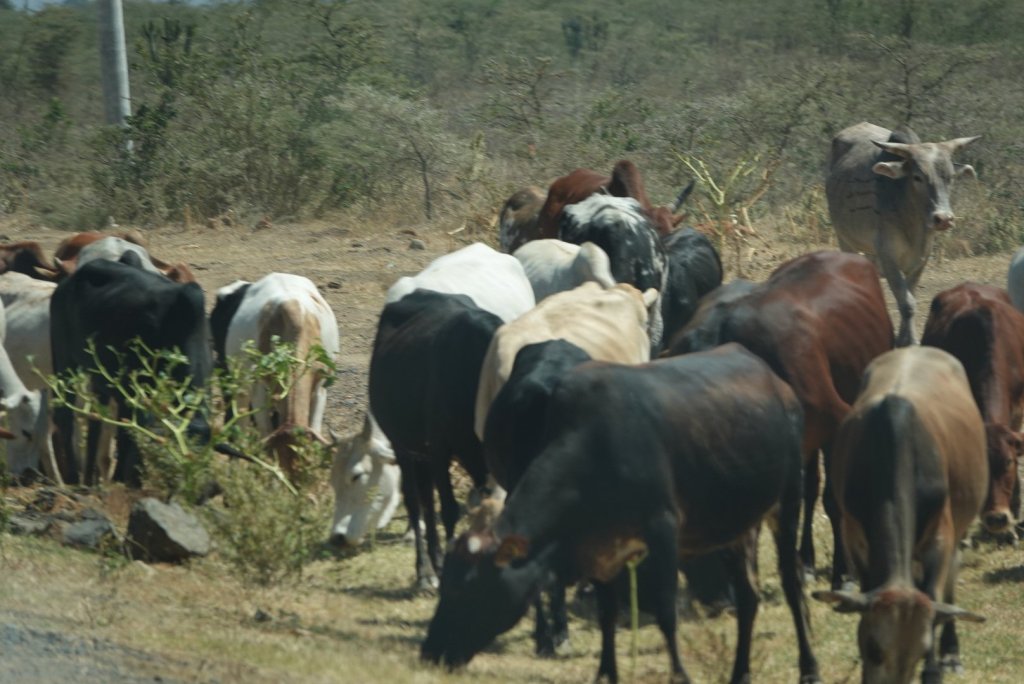
The trip between campus can be a interesting ad the wildlife drives around real preserve or park. We passed thru an area of a Muslim tribe. Passed a bit north of Mount Kenya.
Mount Kenya’s jagged peakMany cattle and sheep herds on the roadsidesEven a few camel herds
As we entered the olpejeta private game preserve we immediately saw a different environment and different animals! We are a higher altitude, Right on the equator but color than Samburu area which is very low and hot.
Our first white RhinoAnd cape buffalo2 of the big 5 in 1 picturePumba familyWhite Rhino Family photoVast water holes with crowds of animals
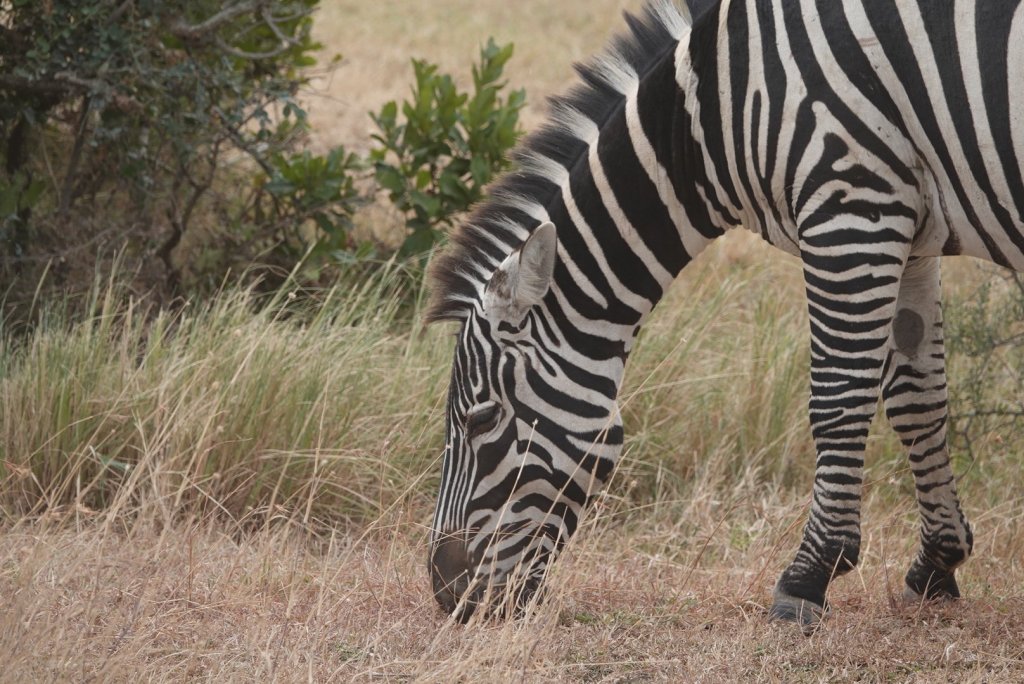
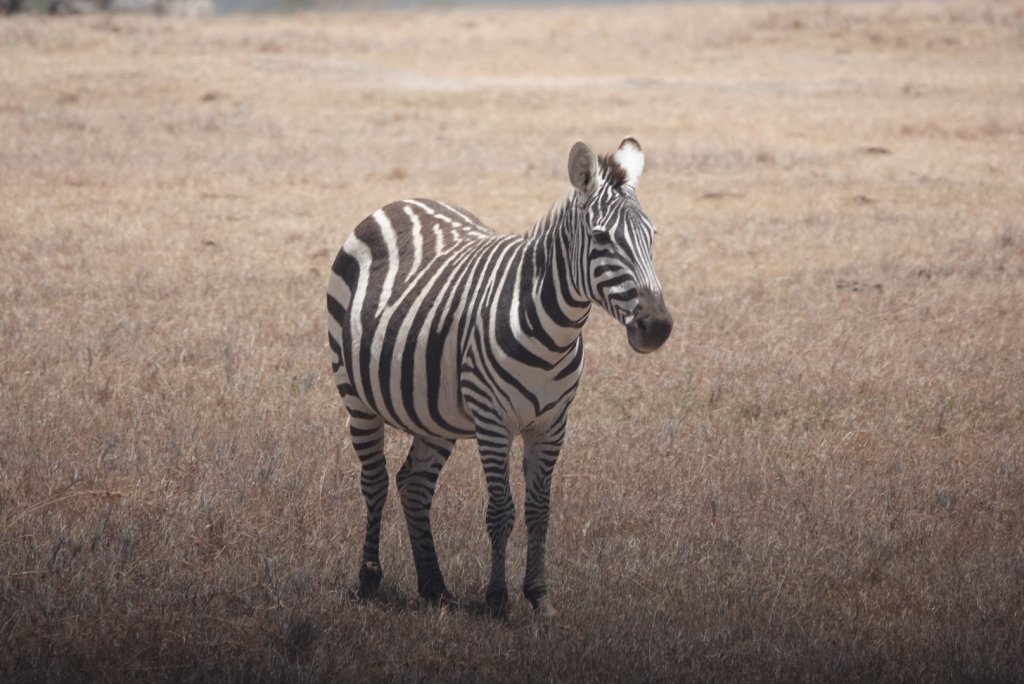
Some animals we recognized but worth a little variety. The Zebra here are Common Zebra, not Grevy Zebra . Can you see the difference in the stripes?
Common Zebra
But there are also reticulated Giraffe, Grants gazelles and Impala here
After lunch and a rest we have our first real game drive here, but we feel that the view of the water hole from the whole camp includes most of the species we will see!